
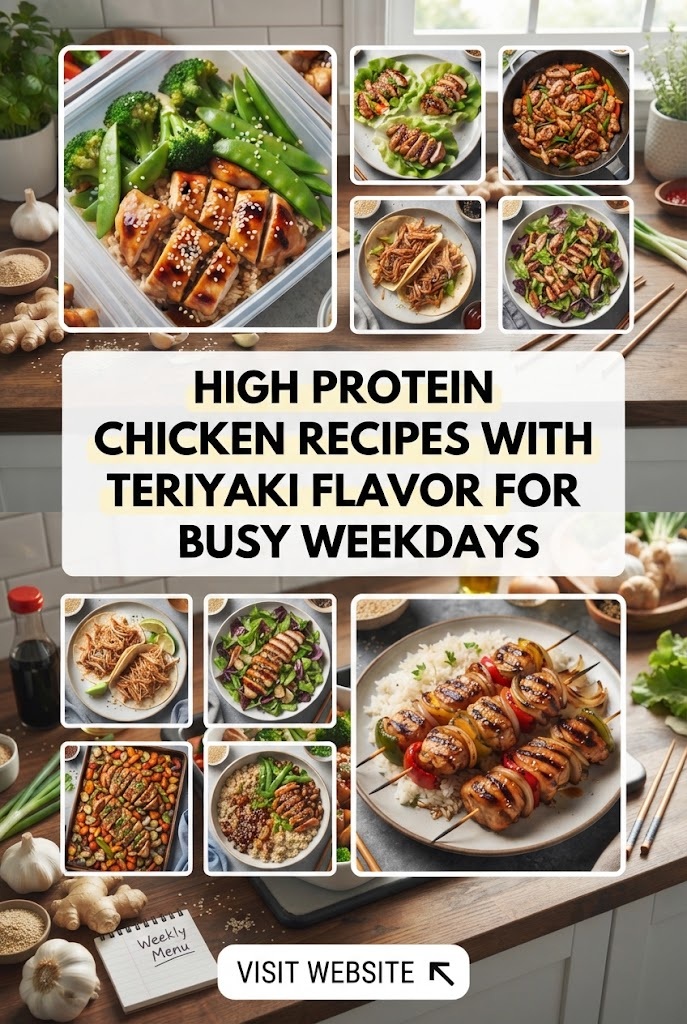
In the fast-paced rhythm of modern life, the bridge between health and convenience often feels like a narrow tightrope. We strive for high-protein meals to fuel our muscles and maintain satiety, yet the exhaustion of a workday frequently pushes us toward suboptimal takeout. Enter the world of Teriyaki Chicken—a culinary classic that, when prepared with a focus on protein density and efficient cooking methods, becomes the ultimate weekday weapon.
Teriyaki, derived from the Japanese words teri (luster) and yaki (grill/broil), is more than just a sauce; it is a technique that yields succulent, glazed protein packed with umami. By focusing on lean chicken cuts and optimizing the sugar-to-protein ratio, we can transform this favorite into a nutritional powerhouse. This guide explores multiple variations of Teriyaki chicken designed specifically for the busy professional, the fitness enthusiast, and the family cook.
The Nutritional Foundation: Why Chicken and Teriyaki?
Before diving into the recipes, it is essential to understand why this combination is a gold standard for meal prepping and quick dinners. Chicken breast and thighs offer high biological value protein, meaning the body can efficiently use the amino acids for muscle repair and metabolic function. When paired with the fermented depth of soy sauce, the metabolic kick of ginger, and the antimicrobial properties of garlic, you have a meal that supports both the body and the palate.
Protein Breakdown by Cut (Per 100g)
| Cut of Chicken | Calories | Protein | Fat | Best Use Case |
|---|---|---|---|---|
| Chicken Breast (Boneless/Skinless) | 165 | 31g | 3.6g | Maximum protein, lean diets |
| Chicken Thigh (Boneless/Skinless) | 209 | 26g | 10.9g | Maximum flavor, juicy texture |
| Chicken Drumstick | 172 | 28g | 5.7g | Budget-friendly, bone-in flavor |
The “Ultimate” Homemade High-Protein Teriyaki Sauce
Most store-bought sauces are laden with high fructose corn syrup and excessive sodium. For a high-protein lifestyle, making your own allows you to control the sweetness and enhance the depth of flavor.
Ingredient Details
| Ingredient | Quantity | Shape/Form | Purpose |
|---|---|---|---|
| Low-Sodium Soy Sauce | 1/2 Cup | Liquid | The salty, umami base |
| Honey or Maple Syrup | 3 tbsp | Viscous Liquid | Natural sweetness and glaze |
| Fresh Ginger | 1 tbsp | Grated/Paste | Zesty heat and digestion aid |
| Fresh Garlic | 3 cloves | Minced | Aromatic depth |
| Rice Vinegar | 1 tbsp | Liquid | Acidic balance |
| Sesame Oil | 1 tsp | Oil | Toasted nutty aroma |
| Cornstarch | 1 tsp | Powder | Thickening agent for the “luster” |
Step-by-Step Preparation
- Combine Aromatics: In a small bowl, whisk together the soy sauce, honey, rice vinegar, and sesame oil.
- Infuse: Add the freshly minced garlic and grated ginger. Let it sit for 5 minutes to allow the flavors to meld.
- Thicken: Create a “slurry” by mixing the cornstarch with a tablespoon of cold water, then whisk it into the sauce mixture.
- Simmer (Optional): If you prefer a thick glaze before cooking, simmer in a small saucepan for 3-4 minutes until it coats the back of a spoon.
Recipe 1: The 15-Minute Teriyaki Chicken Stir-Fry (The Speed King)
This recipe is designed for the nights when you have zero energy but need high-quality nutrition. It utilizes the “velveting” technique to ensure the chicken breast remains tender despite the high-heat cooking.
Ingredient Details
| Component | Amount | Form |
|---|---|---|
| Chicken Breast | 1.5 lbs | 1-inch cubes |
| Broccoli Florets | 2 cups | Small bite-sized pieces |
| Red Bell Pepper | 1 large | Thinly sliced strips |
| Snap Peas | 1 cup | Whole, trimmed |
| Avocado Oil | 1 tbsp | Liquid (High smoke point) |
| Sesame Seeds | 1 tsp | Garnish |
Step-by-Step Instructions
- Prep the Chicken: Pat the chicken cubes dry with a paper towel. Season lightly with salt and pepper.
- Sear the Protein: Heat the avocado oil in a large wok or non-stick skillet over medium-high heat. Add the chicken in a single layer. Let it sear undisturbed for 3 minutes to develop a golden crust, then toss and cook for another 2 minutes.
- Flash-Cook Vegetables: Push the chicken to the side of the pan. Add the broccoli, peppers, and snap peas. Add 2 tablespoons of water and cover with a lid for 60 seconds to steam the vegetables slightly.
- The Glaze: Remove the lid, pour in 1/2 cup of the Homemade Teriyaki Sauce.
- Emulsify: Toss everything together over high heat. The sauce will bubble and thicken instantly, coating the chicken and vegetables in a glossy sheen.
- Finish: Serve immediately over cauliflower rice (for low carb) or jasmine rice (for post-workout carbs). Garnish with sesame seeds.
Recipe 2: Slow Cooker Teriyaki Shredded Chicken (Set-and-Forget)
Perfect for those who leave the house early and want to come home to a house smelling of ginger and soy. This method yields incredibly tender chicken that is easily portioned for the week.
Ingredient Details
| Component | Amount | Form |
|---|---|---|
| Chicken Thighs | 2 lbs | Boneless, skinless |
| Pineapple Juice | 1/4 cup | Liquid (Natural tenderizer) |
| Onion | 1 small | Finely diced |
| Red Chili Flakes | 1/2 tsp | Dried flakes (for heat) |
| Green Onions | 3 stalks | Sliced (for garnish) |
Step-by-Step Instructions
- Layering: Place the diced onions at the bottom of the slow cooker. This prevents the chicken from sticking and adds flavor.
- Positioning: Lay the chicken thighs over the onions. Do not crowd them too much; two layers are fine.
- Saucing: Pour the Homemade Teriyaki Sauce and the pineapple juice over the chicken. Ensure every piece is somewhat coated.
- The Long Cook: Set the slow cooker to ‘Low’ for 6 hours or ‘High’ for 3 hours. Thighs are more forgiving than breasts and will not dry out.
- The Shred: Once cooked, remove the chicken to a large bowl. Use two forks to shred the meat. It should fall apart effortlessly.
- Reduce the Sauce: Take the liquid remaining in the slow cooker and pour it into a saucepan. Boil for 5-8 minutes until it reduces by half and becomes syrupy.
- Recombine: Pour the reduced sauce back over the shredded chicken.
- Storage: This is ideal for “Teriyaki Tacos” or “Teriyaki Protein Bowls.”
Recipe 3: Air Fryer Teriyaki Chicken Thighs (The Crispy Option)
The air fryer provides a “grilled” texture without the need for an outdoor BBQ. The circulating air caramelizes the sugars in the teriyaki sauce, creating a charred, professional finish.
Ingredient Details
| Component | Amount | Form |
|---|---|---|
| Chicken Thighs | 1 lb | Boneless, skin-on (optional) |
| Garlic Powder | 1 tsp | Dry spice |
| Onion Powder | 1 tsp | Dry spice |
| Cornstarch | 1 tbsp | For the “dry rub” |
| Teriyaki Glaze | 1/2 cup | Thickened liquid |
Step-by-Step Instructions
- The Dry Rub: In a bowl, toss the chicken thighs with garlic powder, onion powder, and cornstarch. This creates a surface that the sauce can cling to.
- First Blast: Arrange the chicken in the air fryer basket, ensuring they do not touch. Air fry at 400°F (200°C) for 10 minutes.
- The First Glaze: Open the basket and brush a generous layer of Teriyaki Sauce onto each thigh.
- The Second Blast: Air fry for another 4-5 minutes. The sauce will begin to bubble and darken.
- The Final Glaze: Flip the chicken, brush the other side with sauce, and air fry for a final 2-3 minutes until the internal temperature reaches 165°F.
- Resting: Let the chicken rest for 5 minutes before slicing. This keeps the juices inside, ensuring the protein remains moist.
Recipe 4: Sheet Pan Teriyaki Chicken and Pineapple (Minimum Cleanup)
The beauty of the sheet pan meal lies in its simplicity. One pan, one oven, and a complete meal in 25 minutes.
Ingredient Details
| Component | Amount | Form |
|---|---|---|
| Chicken Breast | 1.5 lbs | Cut into 2-inch chunks |
| Fresh Pineapple | 2 cups | Cubed |
| Zucchini | 2 medium | Half-moon slices |
| Red Onion | 1 large | Chunks |
| Olive Oil | 1 tbsp | Liquid |
Step-by-Step Instructions
- Oven Prep: Preheat your oven to 425°F (220°C). Line a large baking sheet with parchment paper or foil for easy cleanup.
- Toss: In a large bowl, combine chicken, pineapple, zucchini, and red onion. Drizzle with olive oil and half of your Teriyaki sauce. Toss until well coated.
- Spread: Spread the mixture in a single layer on the baking sheet. If the pan is crowded, the vegetables will steam rather than roast.
- Roast: Bake for 15 minutes.
- The Finish: Remove from the oven, drizzle the remaining Teriyaki sauce over the hot ingredients, and return to the oven for 5 more minutes. The pineapple juices will mix with the sauce to create a tropical teriyaki flavor.
- Serve: Serve directly from the pan over a bed of quinoa for an extra protein boost.
Recipe 5: Low-Carb Teriyaki Chicken Lettuce Wraps (The Lean Shred)
For those tracking macros closely, these lettuce wraps provide the flavor of Teriyaki without the heavy carbohydrate load of rice or noodles.
Ingredient Details
| Component | Amount | Form |
|---|---|---|
| Ground Chicken | 1 lb | Lean (93/7 or 96/4) |
| Water Chestnuts | 1 can (8oz) | Finely diced |
| Carrots | 1 cup | Shredded |
| Butter Lettuce | 1 head | Whole leaves (washed) |
| Sriracha | 1 tbsp | Liquid (optional heat) |
Step-by-Step Instructions
- Brown the Meat: In a skillet over medium-high heat, brown the ground chicken until no pink remains. Use a wooden spoon to break it into very small crumbles.
- Add Crunch: Stir in the diced water chestnuts and shredded carrots. Cook for 2-3 minutes until the carrots are slightly softened.
- Sauce Infusion: Add 1/3 cup of Teriyaki sauce and the Sriracha. Stir constantly for 2 minutes as the sauce absorbs into the meat.
- Assembly: Spoon the chicken mixture into the center of a butter lettuce leaf.
- Garnish: Top with extra green onions and a squeeze of lime juice to brighten the fermented soy flavors.
The Art of Meal Prepping Teriyaki Chicken
To truly conquer busy weekdays, you must master the art of the “Prep.” Teriyaki chicken is an ideal candidate for meal prepping because the flavors actually improve as they sit, and the sauce protects the chicken from drying out during reheating.
Storage and Safety
- Refrigeration: Store cooked teriyaki chicken in airtight containers for up to 4 days.
- Freezing: You can freeze the cooked chicken and sauce for up to 3 months. To reheat, thaw overnight in the fridge.
- The “Separate Sauce” Rule: If you prefer your vegetables crisp, store the sauce separately and add it only after reheating the protein and veg.
Reheating Tips
To avoid the “rubbery” texture that often plagues microwaved chicken:
- Add Moisture: Add a teaspoon of water or extra sauce to the container before microwaving.
- Power Level: Use 70% power for a longer duration rather than 100% power for a short burst.
- The Stovetop Method: For the best results, reheat in a skillet over medium heat with a splash of water and a lid to create steam.
Ingredient Deep-Dive: Maximizing Flavor and Health
1. The Role of Ginger
Ginger is not just a flavor enhancer; it contains gingerol, which has powerful anti-inflammatory and antioxidant effects. In high-protein diets, ginger can aid in the digestion of dense proteins, reducing the “heavy” feeling sometimes associated with large meat-based meals.
2. Soy Sauce vs. Liquid Aminos
For those watching sodium or avoiding gluten:
- Tamari: A gluten-free soy sauce that is richer and less salty.
- Liquid Aminos: A non-GMO soy protein concentrate that contains 17 essential amino acids.
- Coconut Aminos: A soy-free, lower-sodium alternative that is naturally sweeter. If using coconut aminos, reduce the honey in your recipe.
3. The Power of Garlic
Allicin, the active compound in garlic, is most potent when the garlic is crushed or minced and allowed to sit for 10 minutes before cooking. This “resting” period allows the enzymatic reaction to occur, maximizing the health benefits.
Customizing Your Macro Profile
Depending on your fitness goals, you can adjust these recipes:
- For Bulking (High Calorie/High Carb): Increase the honey/sugar in the sauce. Serve with generous portions of white or brown rice. Add cashews or peanuts to the stir-fry for healthy fats.
- For Cutting (Low Calorie/High Protein): Use Stevia or Monkfruit sweetener instead of honey. Use only chicken breast. Replace rice with konjac noodles or riced broccoli.
- For Maintenance: Use a 50/50 mix of chicken breast and thighs. Serve with a moderate portion of complex carbs like quinoa or sweet potato.
Troubleshooting Common Teriyaki Issues
“My sauce is too salty!”
This usually happens if the sauce is reduced too far or if you used standard soy sauce instead of low-sodium.
- The Fix: Add a splash of rice vinegar, a squeeze of lime, or a tablespoon of water. The acid and dilution will balance the salt.
“The chicken is dry.”
This is common with chicken breast.
- The Fix: Use the “Velveting” technique. Before cooking, toss raw chicken cubes in a mixture of 1 teaspoon cornstarch, 1 teaspoon oil, and 1 teaspoon soy sauce. Let sit for 15 minutes. This creates a protective barrier that locks in moisture.
“The sauce won’t thicken.”
Cornstarch needs heat to activate.
- The Fix: Ensure the liquid reaches a simmer. If it’s still too thin, mix another 1/2 teaspoon of cornstarch with a tiny bit of water and add it to the bubbling sauce.
A Global Twist: Fusion Teriyaki Ideas
Once you have mastered the basic high-protein teriyaki, you can start experimenting with fusion flavors:
- Spicy Korean Teriyaki: Add 1 tablespoon of Gochujang (Korean chili paste) to your sauce for a smoky, spicy kick.
- Tropical Teriyaki: Use coconut water as part of the liquid base and garnish with toasted coconut flakes.
- Mediterranean Teriyaki: Add dried oregano and lemon zest to the marinade for a surprising but delicious flavor profile.
Final Thoughts for the Busy Weekday Cook
Consistency is the most important factor in a healthy diet. By having these high-protein Teriyaki chicken recipes in your repertoire, you remove the decision fatigue that leads to poor eating choices. Whether you choose the 15-minute stir-fry for a Tuesday night or the slow-cooker method for a hectic Monday, you are ensuring that your body receives the fuel it needs without sacrificing the joy of a delicious, home-cooked meal.
The key to success is preparation. Keep your pantry stocked with soy sauce, ginger, and garlic. Keep your freezer stocked with chicken. With these staples and the techniques outlined above, a gourmet, high-protein dinner is never more than 20 minutes away.
Embrace the sizzle of the wok, the aroma of the garlic, and the satisfaction of a meal that supports your goals. Teriyaki chicken isn’t just a recipe; it’s a lifestyle upgrade for the modern, busy individual.