
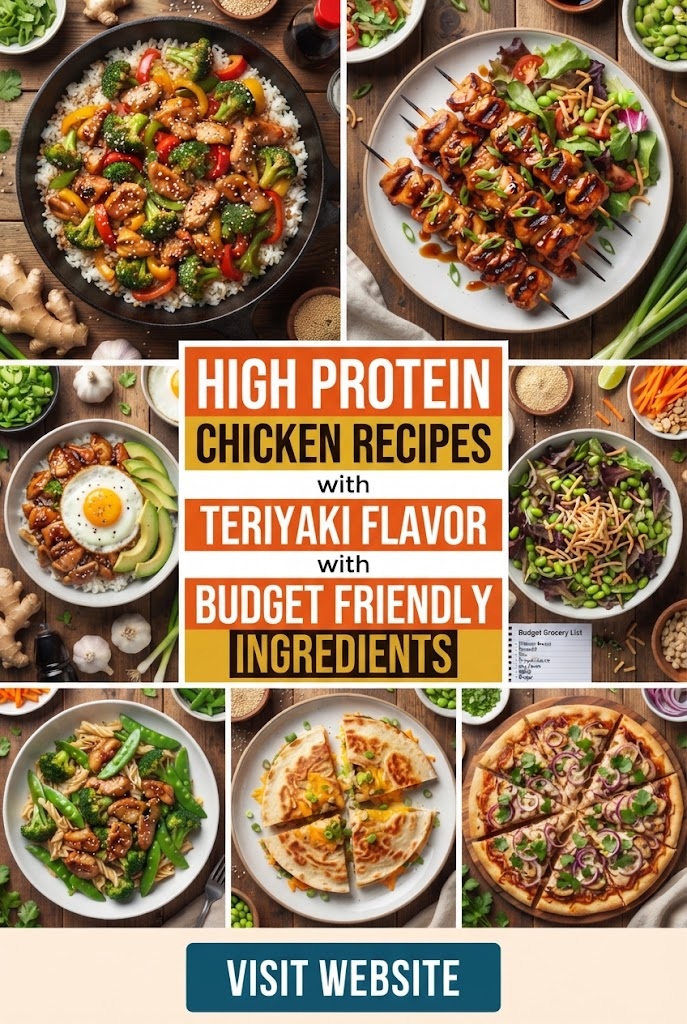
In the world of fitness and healthy living, the “chicken and rice” stereotype is often viewed as a bland, grueling necessity. But what if you could transform that monotonous meal into a culinary masterpiece without breaking your bank account or spending hours in a gourmet kitchen? Enter the world of High-Protein Teriyaki Chicken.
Teriyaki is a Japanese cooking technique that combines soy sauce, mirin, and sugar to create a glaze that is equal parts salty, sweet, and umami. When we adapt this for a high-protein, budget-friendly lifestyle, we prioritize lean muscle growth, satiety, and cost-effectiveness. In this comprehensive guide, we will explore five distinct ways to master Teriyaki chicken, utilizing budget-conscious ingredients that maximize your protein intake.
The Philosophy of Budget-Friendly High-Protein Cooking
Before we dive into the recipes, it is essential to understand how to keep costs low while keeping protein high.
- Bulk Buying: Chicken breast and thighs are significantly cheaper when bought in family packs.
- Pantry Staples: Investing once in a large bottle of soy sauce, ginger powder, and garlic will last for months.
- Substitution Science: Instead of expensive Mirin, we can use a mix of rice vinegar and a touch of honey or sugar.
- Vegetable Fillers: Using frozen broccoli or shredded cabbage adds volume and fiber for pennies, making the protein stretch further.
Master Base: The “Lean & Mean” Teriyaki Sauce
Before looking at specific recipes, you need a reliable, low-cost sauce. Commercial sauces are often filled with high-fructose corn syrup and are surprisingly expensive per ounce.
Sauce Ingredient Details (Form Shape)
| Ingredient | Quantity | Purpose | Budget Tip |
|---|---|---|---|
| Soy Sauce | 1/2 Cup | The salty, umami base. | Buy the 1L jugs at Asian grocers. |
| Water | 1/4 Cup | Dilutes saltiness. | Free! |
| Honey or Brown Sugar | 3-4 Tbsp | Sweetness and glaze. | Store brand brown sugar is cheapest. |
| Rice Vinegar | 1 Tbsp | Acidity to cut the sweetness. | Use Apple Cider Vinegar as a sub. |
| Ground Ginger | 1 tsp | Pungent, spicy warmth. | Dry powder is cheaper than fresh. |
| Garlic Powder | 1 tsp | Savory depth. | Bulk containers are highly cost-effective. |
| Cornstarch | 1 Tbsp | Thickening agent for the “glaze.” | Essential for that sticky texture. |
Recipe 1: The “Classic Muscle” Teriyaki Chicken Breast
This recipe focuses on the leanest cut of the bird. Chicken breast is the gold standard for high protein with minimal fat.
Ingredient Details (Form Shape)
| Ingredient | Amount | Protein Content | Budget Category |
|---|---|---|---|
| Chicken Breast | 1.5 lbs (680g) | ~150g | Primary Protein (Bulk Buy) |
| Master Sauce (Above) | 1 Batch | – | Pantry Staple |
| Olive Oil / Vegetable Oil | 1 Tbsp | – | Cooking Fat |
| Green Onions | 2 stalks | Trace | Cheap Produce |
| Sesame Seeds | 1 tsp (Optional) | Trace | Garnish (Buy in bulk) |
Step-by-Step Instructions
- Preparation of the Protein: Start by patting your chicken breasts dry with paper towels. This is a crucial step; moisture on the surface creates steam, but we want a sear. Slice the chicken into uniform 1-inch cubes. This ensures even cooking and maximizes the surface area for the sauce to cling to.
- The Searing Phase: Heat a large skillet or wok over medium-high heat with the oil. Once the oil shimmers, add the chicken. Do not crowd the pan; if necessary, cook in two batches. Let the chicken sit undisturbed for 2-3 minutes to develop a golden-brown crust (the Maillard reaction).
- The Sauce Integration: While the chicken is browning, whisk your master sauce ingredients together in a small bowl, ensuring the cornstarch is fully dissolved.
- The Glazing: Once the chicken is cooked through (internal temp of 165°F/74°C), pour the sauce mixture directly into the pan.
- The Reduction: Stir constantly. Within 60 to 90 seconds, the cornstarch will activate, and the liquid will transform from a thin watery consistency into a thick, glossy glaze that coats every piece of chicken.
- Finishing Touches: Remove from heat immediately to prevent the sugar in the sauce from burning. Garnish with sliced green onions and sesame seeds.
Recipe 2: Budget-Friendly Ground Chicken Teriyaki Bowls
Ground chicken is often overlooked but is frequently cheaper than whole breasts. It cooks faster and integrates perfectly with rice or “slaw” for volume.
Ingredient Details (Form Shape)
| Ingredient | Amount | Protein Content | Budget Category |
|---|---|---|---|
| Ground Chicken | 1 lb (450g) | ~80g | Budget Protein |
| Shredded Cabbage (Slaw mix) | 2 Cups | 2g | High Volume / Low Cost |
| Carrots (Grated) | 1/2 Cup | Trace | Root Veggie (Cheap) |
| Soy Sauce | 3 Tbsp | – | Pantry |
| Garlic (Minced) | 2 Cloves | – | Pantry |
| Ginger (Ground) | 1/2 tsp | – | Pantry |
Step-by-Step Instructions
- Browning the Meat: In a large pan, brown the ground chicken over medium-high heat. Use a wooden spoon to break the meat into very small crumbles. Cook until no pink remains.
- Aromatic Infusion: Add the minced garlic and ginger to the meat. Sauté for 1 minute until fragrant. The fat from the chicken will help carry the flavors of the aromatics.
- Adding the Volume: Toss in the shredded cabbage and grated carrots. These “filler” vegetables are incredibly cheap and add massive volume to the meal, making you feel fuller for longer without adding significant calories.
- Seasoning: Pour in the soy sauce and a splash of water (or a tablespoon of honey if you prefer it sweeter).
- Wilting: Stir-fry for 3-5 minutes until the cabbage has softened but still retains a bit of crunch.
- Serving: Serve this over a small portion of brown rice or quinoa. The juice from the meat and cabbage creates a natural sauce that flavors the entire bowl.
Recipe 3: Slow Cooker “Set and Forget” Teriyaki Shredded Chicken
This is the ultimate recipe for busy professionals or students. It uses chicken thighs, which are more forgiving in the slow cooker and often cheaper than breasts.
Ingredient Details (Form Shape)
| Ingredient | Amount | Protein Content | Budget Category |
|---|---|---|---|
| Boneless Skinless Thighs | 2 lbs (900g) | ~160g | Flavorful Budget Cut |
| Pineapple Juice (Canned) | 1/4 Cup | – | Natural Sweetener |
| Soy Sauce | 1/2 Cup | – | Pantry |
| Honey | 2 Tbsp | – | Pantry |
| Garlic (Whole cloves) | 4 Cloves | – | Pantry |
| Red Pepper Flakes | 1/2 tsp | – | Spice |
Step-by-Step Instructions
- Layering: Place the chicken thighs at the bottom of your slow cooker. There is no need to cut them; they will be shredded later.
- The Liquid Base: In a measuring cup, mix the soy sauce, honey, pineapple juice, and red pepper flakes. The pineapple juice contains enzymes that help tenderize the chicken further while providing a natural sweetness.
- The Cook: Pour the mixture over the chicken. Add the smashed garlic cloves. Set the slow cooker to LOW for 6 hours or HIGH for 3 hours.
- The Shred: Once the chicken is tender and falling apart, remove the thighs from the slow cooker and place them in a large bowl. Use two forks to shred the meat into strands.
- The Sauce Reduction (Crucial Step): The liquid in the slow cooker will be thin. Pour it into a saucepan, add a cornstarch slurry (1 tbsp cornstarch + 1 tbsp water), and boil for 3 minutes until thick.
- Recombine: Toss the shredded chicken back into the thickened sauce. This ensures every fiber of the meat is saturated with Teriyaki flavor.
Recipe 4: Teriyaki Chicken and Frozen Vegetable Stir-Fry
Using frozen vegetables is the “pro-tip” for budget cooking. They are frozen at peak freshness and eliminate food waste from spoilage.
Ingredient Details (Form Shape)
| Ingredient | Amount | Protein Content | Budget Category |
|---|---|---|---|
| Chicken Breast or Thigh | 1 lb | ~90g | Primary Protein |
| Frozen Stir-fry Veggie Mix | 1 Bag (12oz) | 4-6g | Frozen Section Saver |
| Teriyaki Master Sauce | 1/2 Cup | – | Pantry |
| Toasted Sesame Oil | 1 tsp | – | Flavor Enhancer |
Step-by-Step Instructions
- Prep the Chicken: Slice the chicken into very thin strips. Thin strips cook in under 4 minutes, keeping the meat juicy.
- The Quick Sear: Get your pan screaming hot. Add a tiny bit of oil and sear the chicken strips. Remove them from the pan while they are about 90% cooked.
- The Veggie Blast: Do not thaw the frozen vegetables. Throw them directly into the hot pan. The steam from the ice will help cook them, while the high heat will sear the edges.
- Combining: Once the vegetables are tender-crisp, add the chicken back into the pan.
- Sauce it Up: Pour your Teriyaki sauce over the mixture. Stir-fry for 2 minutes until everything is piping hot and the sauce has coated the vegetables and chicken uniformly.
- Efficiency Tip: This recipe takes less than 15 minutes from start to finish, making it faster and cheaper than ordering takeout.
Recipe 5: High-Protein Teriyaki Chicken Meatballs
Meatballs are a fantastic way to meal prep for the entire week. They are portable, portion-controlled, and delicious cold or hot.
Ingredient Details (Form Shape)
| Ingredient | Amount | Purpose | Budget Category |
|---|---|---|---|
| Ground Chicken/Turkey | 1 lb | Protein Base | Budget Meat |
| Breadcrumbs (Panko) | 1/4 Cup | Binder | Pantry |
| Egg | 1 Large | Binder/Protein | Cheap Protein |
| Green Onions (Minced) | 2 Tbsp | Flavor | Cheap Produce |
| Teriyaki Glaze | 1/2 Cup | Coating | Master Sauce |
Step-by-Step Instructions
- The Mix: In a large bowl, combine the ground meat, egg, breadcrumbs, and minced green onions. Do not overmix, or the meatballs will become tough.
- The Shaping: Form the mixture into small, golf-ball-sized spheres. You should get about 12-15 meatballs.
- The Bake: Place the meatballs on a parchment-lined baking sheet. Bake at 400°F (200°C) for 15-18 minutes. Baking is healthier than frying and allows you to cook a large batch at once.
- The Glazing: While the meatballs are hot, toss them in a bowl with your thickened Teriyaki master sauce.
- The Storage: These are perfect for “Bento Style” meal prep containers. Pair with steamed broccoli and a half-cup of white rice for a balanced, high-protein lunch.
The Nutritional Breakdown: Why This Works for Your Body
When we talk about “High Protein,” we are looking for a high Protein-to-Calorie ratio.
- Chicken Breast: Provides roughly 31g of protein per 100g, with only 165 calories.
- The Sauce: By making it at home, we control the sugar. Replacing half the sugar with a stevia-based sweetener or simply reducing the honey can drop the calorie count significantly while keeping the flavor profile intact.
- The Fiber Factor: By pairing these recipes with cheap vegetables like cabbage, broccoli, and carrots, we improve digestion and ensure the protein is absorbed efficiently.
The Economics of Teriyaki: A Cost Comparison
Let’s look at the “Price Per Serving” of a standard High-Protein Teriyaki Chicken meal versus a restaurant alternative.
| Item | Homemade Cost (Approx) | Restaurant Cost (Approx) |
|---|---|---|
| Chicken (6oz) | $1.50 | $6.00 |
| Vegetables | $0.50 | $2.00 |
| Rice/Grains | $0.20 | $2.00 |
| Sauce/Spices | $0.15 | Included |
| TOTAL | $2.35 | $10.00 – $15.00 |
By cooking these recipes at home, you are saving roughly $7.65 per meal. If you meal prep this three times a week, that is a saving of nearly $1,200 per year—enough to pay for a premium gym membership and several tubs of protein powder.
Pro-Tips for Maximum Flavor on a Budget
1. The Power of Toasted Sesame Oil
While a bit more expensive upfront, a single teaspoon of toasted sesame oil added at the very end of cooking provides a “restaurant-quality” aroma that makes budget ingredients taste like a $20 meal.
2. Acid Balance
If your Teriyaki tastes “flat,” it’s likely missing acid. A squeeze of lime or a tiny splash of extra rice vinegar at the end wakes up the taste buds and cuts through the saltiness of the soy sauce.
3. Texture Matters
Don’t be afraid of the “Char.” When cooking the chicken, let it sit in the pan. Those dark, caramelized bits are where the flavor lives. In professional kitchens, this is called “fond,” and it’s the secret to deep, savory dishes.
4. Rice Alternatives for Even Higher Protein
If you want to boost the protein even further, swap white rice for:
- Quinoa: Higher protein and fiber.
- Lentils: Extremely cheap and protein-dense.
- Cauliflower Rice: Great for cutting calories while keeping the Teriyaki experience.
Deep Dive: Mastering the Ingredients
To truly understand how to cook this on a budget, let’s look at the “Form Shape” details of our secondary ingredients.
Aromatics & Spices (Form Shape)
| Ingredient | Best Form for Budget | Why it works |
|---|---|---|
| Garlic | Large jars of pre-minced or bulk bulbs. | Essential for the “hearty” umami flavor. |
| Ginger | Dry powder for convenience; fresh frozen for flavor. | Provides the “zing” that defines Teriyaki. |
| Onions | Yellow onions (bought in 5lb bags). | Adds sweetness when sautéed with the chicken. |
| Red Pepper | Crushed flakes (the kind for pizza). | Adds heat without needing expensive fresh chilis. |
Meal Prepping Your Teriyaki Chicken
High-protein diets succeed when convenience is high. Teriyaki chicken is the perfect meal prep candidate because the sauce actually helps preserve the moisture of the chicken when reheated.
The 5-Day Storage Rule
- Cooling: Allow the chicken to reach room temperature before sealing it in containers. This prevents steam from making the chicken “rubbery.”
- Portioning: Use a kitchen scale to ensure you are getting at least 30-40g of protein per container.
- Reheating: Microwave with a damp paper towel over the top. This creates a mini-steam chamber, keeping the chicken breast succulent.
- Freezing: Teriyaki chicken (especially the shredded version) freezes beautifully for up to 3 months.
Advanced Technique: The Cornstarch Slurry
The difference between a “watery soup” and a “Teriyaki glaze” is the cornstarch slurry.
- The Ratio: Always use a 1:1 ratio of cornstarch to cold water.
- The Activation: Cornstarch only thickens when the liquid reaches a simmer. If you add it and nothing happens, turn up the heat.
- The Shine: A well-executed slurry gives the chicken a professional “sheen” that is visually appealing and helps the sauce stick to every nook and cranny.
Conclusion: Health, Wealth, and Taste
Mastering High-Protein Teriyaki Chicken is a superpower for anyone looking to improve their physique while maintaining a strict budget. By focusing on bulk proteins, utilizing frozen vegetables, and making your own sauce from pantry staples, you eliminate the “health tax” often associated with clean eating.
Whether you prefer the lean precision of a seared chicken breast, the comfort of shredded thighs, or the convenience of ground chicken bowls, these recipes provide a foundation for a lifestyle that is sustainable, delicious, and incredibly effective for muscle growth.
Stop settling for bland meals. Grab a bottle of soy sauce, a pack of chicken, and start cooking your way to a stronger, healthier, and more financially savvy version of yourself. Your muscles—and your wallet—will thank you.