
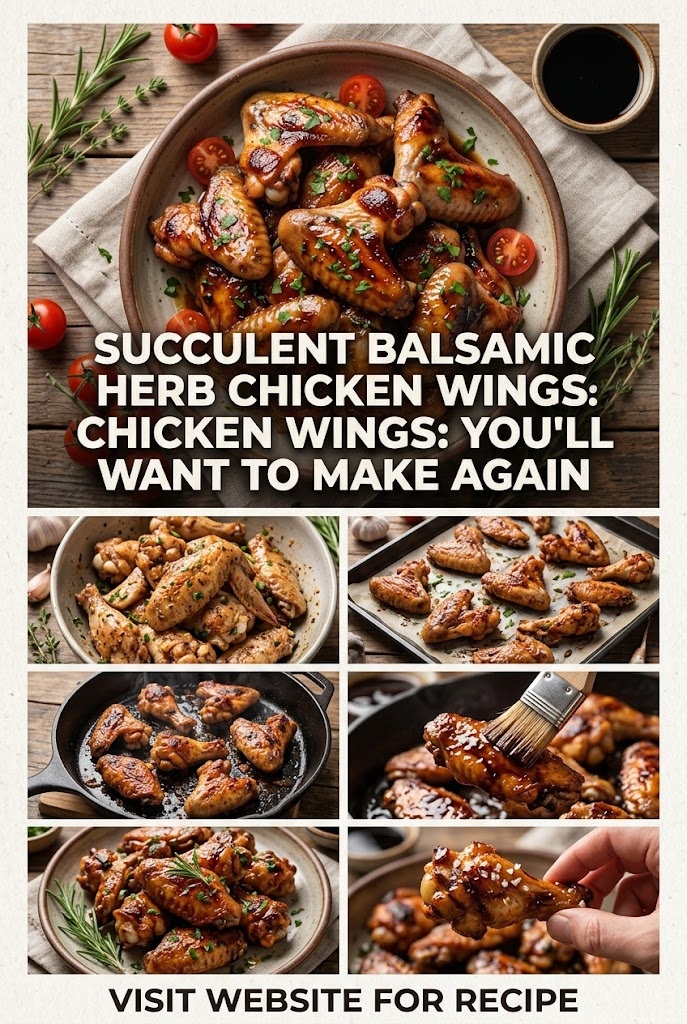
When it comes to the pantheon of American comfort food, few dishes hold as much cultural weight as the chicken wing. From the neon-lit sports bars of Buffalo, New York, to the high-end gastropubs of San Francisco, the chicken wing has evolved from a humble “scrap” cut into a culinary canvas for chefs and home cooks alike. While the classic spicy buffalo sauce will always have its place, there is a growing appetite for something more sophisticated, something that balances the deep umami of roasted poultry with the bright acidity of the Mediterranean.
Enter the Succulent Balsamic Herb Chicken Wing. This isn’t just another appetizer; it is a masterclass in flavor balancing. By combining the syrupy, complex sweetness of aged balsamic vinegar with the earthy, aromatic punch of fresh herbs like rosemary, thyme, and oregano, you create a dish that is at once rustic and refined.
In this comprehensive guide, we will explore everything you need to know to master this dish—from the science of skin crispiness to the history of balsamic vinegar, and the precise techniques required to ensure your wings are succulent every single time.
The Anatomy of the Perfect Wing: Why Texture Matters
Before we dive into the ingredients, we must understand the physics of a chicken wing. A wing consists of three parts: the drumette, the flat (or wingette), and the tip. For this recipe, we focus on the drumette and the flat.
The challenge with chicken wings is achieving a “dual-texture” profile: a glass-shattering, crispy exterior paired with a moist, tender interior. Because wings have a high ratio of skin to meat, they are the perfect candidate for high-heat roasting. The fat under the skin needs to render out completely; if it doesn’t, the wing becomes rubbery. The balsamic glaze we will use later is acidic, which helps break down the connective tissues, ensuring that the meat remains “succulent”—a word often used but rarely achieved in the world of overcooked poultry.
The Secret Ingredient: Understanding Balsamic Vinegar
Not all vinegars are created equal. To make truly succulent balsamic herb chicken wings, you need to understand your primary flavor agent.
Aceto Balsamico Tradizionale
Originating from Modena or Reggio Emilia, Italy, traditional balsamic vinegar is aged for a minimum of 12 years in wooden barrels. It is thick, sweet, and incredibly expensive. While you could use this as a finishing drizzle, it is generally too precious for a marinade or a reduction.
Balsamic Vinegar of Modena (IGP)
This is the most common variety found in US grocery stores. It is a blend of grape must and wine vinegar. For our wings, this is the perfect choice. It provides the necessary acidity to cut through the fat of the chicken skin while containing enough natural sugars to caramelize into a sticky, mahogany glaze.
The Role of Acidity in Tenderness
The acetic acid in balsamic vinegar acts as a mild tenderizer. When the chicken marinate, the acid begins to denature the proteins on the surface of the meat, allowing moisture to be trapped inside during the cooking process. This is the first step toward achieving that “succulent” texture.
The Herb Garden: Choosing Your Aromatics
While the balsamic provides the base, the herbs provide the soul of this dish. For the best results, fresh herbs are non-negotiable.
- Rosemary: The piney, woody notes of rosemary are the perfect match for the sweetness of balsamic. When roasted, rosemary releases oils that permeate the chicken fat.
- Thyme: Thyme offers a subtle, earthy lemon scent. It bridges the gap between the heavy balsamic and the savory chicken.
- Oregano: To give the wings a Mediterranean flair, oregano adds a slight bitterness and peppery kick that prevents the glaze from feeling too cloying.
- Garlic: While technically a bulb, fresh minced garlic is the essential aromatic partner to our herb trio.
The Science of Crispiness: The Baking Powder Trick
One of the greatest hurdles in making balsamic wings is that the sugar in the vinegar can burn before the skin gets crispy. To solve this, we utilize a scientific “hack” popularized by culinary researchers: Baking Powder.
By coating the raw wings in a mixture of salt and aluminum-free baking powder, you raise the pH level of the chicken skin. This allows the proteins to break down more efficiently and the Maillard reaction (the browning process) to occur faster and more intensely. The result is a skin that is blistered and crunchy, providing the perfect texture to hold onto a thick balsamic reduction.
Ingredients Checklist
To prepare approximately 3 pounds of wings (enough for 4 to 6 people), you will need:
The Chicken
- 3 lbs Chicken wings (flats and drumettes separated)
- 1 tbsp Aluminum-free baking powder
- 1 tsp Kosher salt
The Balsamic Herb Marinade & Glaze
- 1/2 cup Balsamic Vinegar of Modena
- 1/4 cup Extra virgin olive oil
- 3 tbsp Honey (or maple syrup for a different depth of flavor)
- 4 cloves Garlic, minced
- 1 tbsp Fresh rosemary, finely chopped
- 1 tbsp Fresh thyme, leaves stripped from stems
- 1 tsp Dried oregano
- 1/2 tsp Black pepper, freshly cracked
- 1/2 tsp Red pepper flakes (optional, for a hint of heat)
For Garnish
- Fresh parsley, chopped
- Lemon zest
- A sprinkle of flaky sea salt
Step-by-Step Preparation: The Path to Succulence
Step 1: Prepping and Drying
The enemy of crispiness is moisture. Take your wings out of the package and pat them extremely dry with paper towels. Spend time on this. If the skin is wet, the wings will steam rather than roast.
Step 2: The Dry Brine
In a large bowl, toss the dried wings with the baking powder and kosher salt. Ensure every wing is evenly coated. If you have the time, place the wings on a wire rack over a baking sheet and refrigerate them uncovered for 1 to 4 hours. This “air-dries” the skin further.
Step 3: The Initial Roast
Preheat your oven to 425°F (220°C). Arrange the wings on a wire rack set over a foil-lined baking sheet. The rack is crucial as it allows hot air to circulate around the entire wing, ensuring the bottom is just as crispy as the top. Roast for 30–35 minutes, flipping halfway through, until the wings are golden brown and the fat has rendered.
Step 4: Crafting the Balsamic Herb Reduction
While the wings are in their first roast, prepare the glaze. In a small saucepan, combine the balsamic vinegar, honey, minced garlic, rosemary, thyme, oregano, and pepper flakes.
Bring the mixture to a gentle simmer over medium heat. Let it reduce by about half. You are looking for a consistency that coats the back of a spoon—syrupy, but not hard like candy. Once reduced, whisk in the olive oil to create a glossy emulsion.
Step 5: The Glazing Phase
Remove the wings from the oven. Increase the oven temperature to 450°F or turn on the broiler. Toss the partially cooked wings in a large bowl with about two-thirds of the balsamic herb reduction.
Return the wings to the wire rack. The high heat will now rapidly caramelize the sugars in the balsamic and honey, creating a dark, sticky, and fragrant crust. Watch them closely! This step usually takes only 5–8 minutes.
Step 6: The Final Touch
Once the wings are bubbling and deeply colored, remove them from the oven. Toss them with the remaining one-third of the glaze to ensure a fresh “pop” of herb flavor. Garnish immediately with fresh parsley and lemon zest.
Alternative Cooking Methods
While the oven-to-broil method is the most reliable for large batches, other methods can yield fantastic results.
The Air Fryer Method
Air fryers are essentially high-powered convection ovens. To make these wings in an air fryer:
- Toss wings in baking powder and salt.
- Air fry at 400°F for 20 minutes, shaking the basket every 5 minutes.
- Toss in the glaze and air fry for an additional 2–3 minutes to set the sauce. Note: You may need to cook in batches to avoid overcrowding, which leads to soggy wings.
The Charcoal Grill Method
For those who love a smoky undertone:
- Set up your grill for two-zone cooking (coals on one side, cool on the other).
- Grill the wings over indirect heat until they reach an internal temperature of 165°F.
- Move them to the direct heat side and brush liberally with the balsamic glaze, turning frequently to prevent the sugar from burning.
Nutritional Profile: A Healthier Alternative?
One of the reasons the Succulent Balsamic Herb Chicken Wing is gaining popularity in the USA is the shift toward “cleaner” indulgence. Traditional Buffalo wings are often deep-fried in refined oils and tossed in a sauce made primarily of butter and hot sauce.
By contrast, our balsamic wings are:
- Baked, Not Fried: This significantly reduces the calorie count and the intake of oxidized fats.
- Rich in Antioxidants: Fresh herbs like rosemary and thyme are packed with polyphenols.
- Naturally Sweetened: Using honey or the natural sugars in balsamic vinegar avoids the high-fructose corn syrup found in many bottled BBQ sauces.
- Gluten-Free: By using baking powder instead of flour for crispiness, this recipe is naturally gluten-free (just ensure your baking powder is certified GF).
Perfect Pairings: What to Serve with Balsamic Wings
To turn these wings into a full meal or a curated party spread, you need the right accompaniments.
Side Dishes
- Arugula Salad: The peppery bite of arugula with shaved parmesan and a light lemon vinaigrette complements the richness of the balsamic glaze.
- Polenta Fries: Keeping with the Italian-inspired theme, crispy polenta fries are a wonderful starch to soak up any extra glaze.
- Roasted Root Vegetables: Carrots and parsnips roasted with the same herbs used in the wings create a cohesive flavor profile.
Beverage Pairings
- Wine: A high-acidity red like a Chianti or a Barbera works beautifully. If you prefer white, a dry Riesling can cut through the sweetness of the glaze.
- Beer: Look for a Belgian Dubbel. Its malty, dark fruit notes mirror the complexity of the balsamic vinegar. For something lighter, a crisp Pilsner cleanses the palate between bites.
- Non-Alcoholic: A sparkling water with a splash of pomegranate juice and a sprig of rosemary.
Professional Tips for Success
Even the simplest recipes have nuances. Here are the “pro-tips” that separate amateur wings from restaurant-quality results:
- The “Vortex” Toss: When tossing your wings in the glaze, use a large stainless steel bowl. Move the bowl in a circular motion while flipping the wings. This ensures the sauce is emulsified and coats every nook and cranny without breaking the crispy skin.
- Room Temperature Meat: Never throw ice-cold wings into a hot oven. Let them sit on the counter for 15–20 minutes to take the chill off. This ensures even cooking.
- Don’t Skimp on the Salt: Balsamic vinegar is sweet and acidic, but it needs salt to unlock its savory potential. Ensure your dry brine is sufficient.
- Use a Meat Thermometer: While many people “eye-ball” wings, the sweet spot for a succulent wing is an internal temperature of 175°F to 185°F. Unlike chicken breasts, which dry out at this temperature, the collagen in wings needs to hit these higher temps to fully melt into gelatin.
Troubleshooting Common Issues
“My wings are sticky but not crispy.”
This usually happens if the wings weren’t dried properly before cooking or if the oven temperature was too low. Next time, ensure the “baking powder dry brine” phase is not skipped, and check your oven’s calibration with an external thermometer.
“The glaze tastes burnt.”
Balsamic vinegar has a high sugar content. If you apply the glaze too early in the roasting process, it will carbonize. Always apply the glaze in the final minutes of cooking.
“The flavor is too tart.”
If your balsamic vinegar is particularly cheap or high in wine vinegar content, it might be too acidic. Balance this by adding an extra tablespoon of honey or a teaspoon of brown sugar to your reduction.
The Cultural Shift: Why This Recipe is Trending in the USA
In recent years, American palates have undergone a significant transformation. There is a move away from “one-note” flavors (like just “salty” or just “spicy”) toward “complex” flavors. The rise of Mediterranean and “New American” cuisine has introduced home cooks to the idea that an appetizer can be both a finger food and a gourmet experience.
The Succulent Balsamic Herb Chicken Wing fits perfectly into the “Game Day Gourmet” trend. People want the nostalgia of eating wings while watching a football game, but they want the quality of a dish they would find at a high-end bistro. This recipe bridges that gap, making it a favorite for Super Bowl parties, summer cookouts, and elegant dinner starters alike.
Prep Ahead: Hosting Tips
If you are serving these for a crowd, you can do most of the work in advance:
- 24 Hours Ahead: Cut the wings, dry them, and apply the baking powder/salt mixture. Leave them in the fridge. This actually improves the texture.
- 6 Hours Ahead: Make the balsamic herb reduction and store it at room temperature.
- 30 Minutes Before Serving: Do the initial roast.
- At the Party: Do the final glaze and broil. This ensures the wings are piping hot and at their peak crispiness when guests arrive.
Storage and Reheating
While wings are best enjoyed fresh, you can store leftovers in an airtight container for up to three days.
To Reheat: Avoid the microwave, as it will make the skin rubbery. Instead, place the wings in an oven or air fryer at 350°F for 5–8 minutes until they are heated through and the glaze begins to sizzle again.
Conclusion: A New Classic
The Succulent Balsamic Herb Chicken Wing is more than just a recipe; it’s a testament to how simple ingredients—vinegar, herbs, and chicken—can be transformed through technique into something extraordinary. It hits every sensory requirement: the visual appeal of the dark, glossy glaze; the aromatic scent of roasted rosemary; the audible crunch of the skin; and the succulent, juicy interior that keeps you coming back for “just one more.”
Whether you are a seasoned home chef or someone looking to impress at your next social gathering, mastering this dish will elevate your culinary repertoire. It’s sophisticated, it’s soulful, and most importantly, it’s undeniably delicious. Once you’ve tasted the balance of tangy balsamic and earthy herbs, the standard buffalo wing might just become a thing of the past.
Recipe Summary (Quick Reference)
- Prep time: 15 minutes (plus optional brining)
- Cook time: 45 minutes
- Total time: 1 hour
- Servings: 4-6
- Key Flavor Profile: Sweet, Tangy, Earthy, Savory
Ingredients at a Glance:
- 3 lbs Wings
- Baking Powder (the secret to crunch)
- Balsamic Vinegar (the base)
- Honey (the sticky factor)
- Rosemary, Thyme, Oregano (the aromatics)
- Garlic (the punch)
Instructions at a Glance:
- Dry and coat wings with baking powder/salt.
- Roast at 425°F for 30-35 mins on a wire rack.
- Simmer balsamic, honey, and herbs to create a reduction.
- Toss wings in reduction.
- Broil for 5 mins until caramelized.
- Garnish and serve.
Enjoy the perfect balance of Mediterranean flair and American comfort. These Succulent Balsamic Herb Chicken Wings are destined to become a staple in your kitchen—a dish you’ll want to make again and again.