
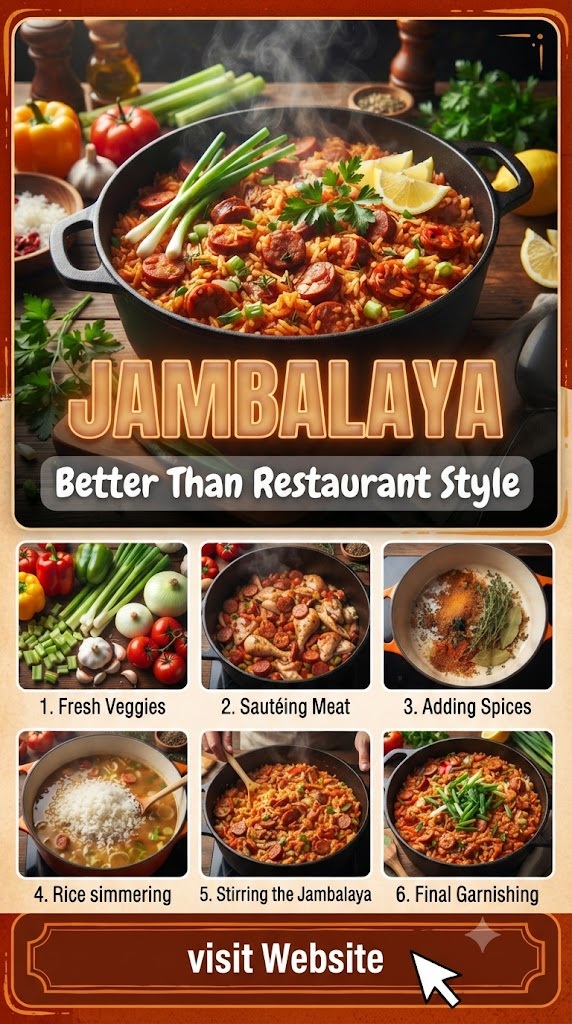
Jambalaya Better Than Restaurant Style: The Ultimate Guide to Louisiana’s Finest One-Pot Dish
Introduction
There’s something magical about a perfectly made pot of jambalaya. That rich, smoky aroma wafting through the kitchen, the vibrant colors of peppers and tomatoes mingling with perfectly seasoned rice, and the promise of a hearty meal that satisfies both body and soul. For many Americans, jambalaya is synonymous with Louisiana comfort food, but achieving that authentic, restaurant-quality flavor at home can feel like a challenge.
The truth is, jambalaya better than restaurant style isn’t just possible—it’s within reach for any home cook willing to learn a few secrets. This iconic dish, whose name simply means “all mixed up” in Cajun French, has roots stretching back to the cultural melting pot of Louisiana, where African, French, and Spanish culinary traditions collided to create something truly special.
What Is Jambalaya?
At its core, jambalaya is a one-pot rice dish deeply rooted in Southern Louisiana’s culinary tradition. It’s the cousin of Spanish paella, born when Spanish settlers in New Orleans attempted to recreate their beloved dish using local ingredients. Unlike gumbo, which is a thick soup or stew served over separate rice, jambalaya features rice cooked directly in the pot with all the other ingredients, absorbing every drop of flavorful liquid.
Key Ingredients for Restaurant-Quality Jambalaya
The secret to jambalaya better than restaurant style lies in using quality ingredients and understanding how they work together. Here’s what you’ll need:
The Holy Trinity
Just as French cooking relies on mirepoix (onion, celery, carrot), Louisiana cooking has its own foundation: the “Holy Trinity” of onions, celery, and green bell peppers. This aromatic trio forms the flavor base for most Cajun and Creole dishes. Use a ratio of roughly 2 parts onion to 1 part each celery and bell pepper for the most authentic results.
Andouille Sausage
This coarse-grained, heavily smoked pork sausage is non-negotiable for authentic flavor. It adds that distinctive smoky, savory backbone that defines great jambalaya. Look for Andouille at specialty butchers or well-stocked supermarkets. If unavailable, a good quality smoked sausage like kielbasa can work as a substitute, but the flavor won’t be quite the same.
Chicken Thighs
Boneless, skinless chicken thighs are preferred over breasts because they stay moist and develop deeper flavor during cooking. Cut them into bite-sized pieces that will distribute evenly throughout the dish.
Long-Grain Rice
Use long-grain white rice like jasmine or basmati for the best texture. Short-grain rice can become mushy as it absorbs the flavorful cooking liquid. The rice should cook up with distinct, fluffy grains that are fully infused with the dish’s rich flavors.
The Trinity’s Cousin: Garlic and Spices
Fresh garlic (about 4 cloves, thinly sliced) is essential, along with a well-balanced spice blend. A classic jambalaya seasoning includes:
- Paprika (for color and mild smokiness)
- Cayenne pepper (for heat—adjust to your preference)
- Dried oregano
- Dried thyme
- Bay leaf
Chicken Stock
Good-quality chicken broth or stock provides the liquid base for the rice to absorb. Low-sodium stock allows you to control the salt level better.
Tomatoes (For Creole Style Only)
If you’re making Creole “red” jambalaya, you’ll need crushed or diced tomatoes, tomato sauce, or tomato paste. Creole jambalaya includes tomatoes; Cajun style does not.
Optional Additions
For an authentic Creole touch, consider adding shrimp during the last few minutes of cooking. Other traditional additions include tasso ham, crawfish tails, or even andouille’s smoked cousins.
Oil
A high-heat oil like safflower, canola, or vegetable oil is needed for browning meats and sautéing vegetables.
How to Make Jambalaya Better Than Restaurant Style
Follow this step-by-step method for jambalaya that rivals any restaurant’s version. This technique works for both Cajun (no tomatoes) and Creole (with tomatoes) styles, with variations noted.
Preparation Time
- Prep time: 20–30 minutes (cutting vegetables and meat)
- Cook time: 40–50 minutes
- Total time: Approximately 1 hour to 1 hour 15 minutes
- Serves: 8 to 10 people
Step 1: Brown the Meats
This is the most critical step for deep flavor. Heat oil in a large, heavy-bottomed pot (a Dutch oven works perfectly) over medium-high heat. Season your chicken pieces with salt and pepper. Working in batches if needed to avoid overcrowding, cook the chicken until deeply browned on all sides, about 8 minutes. Remove the chicken to a plate.
Add the sliced Andouille sausage to the pot and cook, turning once, until browned on both sides, about 1 minute per side. Remove to the plate with the chicken. Don’t clean the pot—those browned bits stuck to the bottom are pure flavor (called “fond” or “gratin”) that will infuse your entire dish.
Step 2: Sauté the Holy Trinity
Reduce heat to medium. Add a bit more oil if needed, then add your diced onion, celery, and bell pepper. Cook, scraping up the browned bits from the bottom of the pan as you go, until the vegetables are very soft and starting to turn golden, about 8 minutes. Add the sliced garlic and cook for another minute until fragrant.
Step 3: Toast the Rice and Bloom the Spices
Add the rice to the pot and stir constantly for 1 minute. This toasts the rice grains, helping them maintain their individual structure and absorb liquid more evenly. Add the bay leaf, paprika, cayenne, oregano, and thyme, and continue to stir for another minute to wake up the spices’ flavors.
Step 4: Add Liquid and Meats
Return the browned chicken and sausage (and any accumulated juices) to the pot. For Creole style, add crushed or diced tomatoes now. Pour in the chicken stock, increase heat, and bring to a boil. The liquid should cover the rice and meats; if using a generous amount of tomatoes, you may need slightly less stock.
Step 5: Simmer to Perfection
Once boiling, reduce heat to low, cover the pot tightly, and let it simmer without peeking for about 20–25 minutes, or until the liquid is absorbed and the rice is tender.
For shrimp lovers: If adding shrimp, stir them in during the last 5 minutes of cooking, replace the lid quickly, and continue cooking until shrimp are pink and cooked through.
Step 6: Rest and Fluff
Remove the pot from heat and let it sit, covered, for 10 minutes. This resting period allows the rice to finish absorbing moisture and the flavors to meld beautifully. Fluff with a fork before serving.
Storage Instructions
Leftover jambalaya can be stored in an airtight container in the refrigerator for 3 to 4 days. Recipes without seafood tend to last a little longer than those with shrimp or crawfish. Reheat gently in a skillet over medium heat, stirring occasionally, until warmed through. Avoid microwaving for too long, as it can make the rice mushy.
How to Use This Jambalaya Recipe
This jambalaya is a complete meal on its own, but there are many ways to enjoy it:
- As a main course: Serve a generous bowl with crusty French bread and a simple green salad on the side.
- For meal prep: Portion into individual containers for easy lunches throughout the week. The flavors often deepen and improve the next day.
- For gatherings: Jambalaya is perfect for feeding a crowd—it’s impressive, satisfying, and makes excellent leftovers.
- As a base: Top with fried eggs, pickled okra, or hot sauce for extra layers of flavor.
Serve it with Crystal or Tabasco hot sauce on the side for those who want extra heat. The beauty of homemade jambalaya is that you can adjust the spice level to suit your palate—something you rarely get at a restaurant.
Potential Benefits
Jambalaya, when made with quality ingredients, can be part of a balanced lifestyle. Let’s explore what this dish offers.
Protein-Rich Meal
Combining chicken, sausage, and (optionally) shrimp creates a protein-packed meal that supports muscle maintenance and satiety. Protein is essential for keeping you full and satisfied, making jambalaya a hearty choice for lunch or dinner.
The Power of the Holy Trinity
Onions, celery, and bell peppers form a nutritional trifecta. These vegetables provide fiber, vitamins, and antioxidants that support overall wellness. Bell peppers, in particular, are excellent sources of vitamin C and various beneficial plant compounds.
Versatile and Customizable
Jambalaya is naturally flexible—you can use lean chicken sausage, increase the vegetable content, or add more peppers and tomatoes to boost nutritional value. This adaptability makes it easy to fit into various dietary preferences while keeping the authentic Louisiana spirit alive.
A Mood-Boosting Comfort Food
There’s something psychologically satisfying about a flavorful, warming one-pot meal. The act of cooking and sharing food like jambalaya can be a comforting, grounding experience that nourishes more than just the body.
Why These Ingredients May Work
Each ingredient in jambalaya pulls its weight in creating a dish that’s greater than the sum of its parts.
The Maillard Reaction
Browning the meats at the beginning of cooking triggers the Maillard reaction—a chemical process between amino acids and reducing sugars that creates hundreds of flavor compounds. This reaction is responsible for that deep, savory, umami flavor that makes restaurant-style jambalaya so crave-worthy.
The Role of Tomatoes (In Creole Style)
Tomatoes add acidity and sweetness that balance the richness of the meats. The acidity can help cut through the fat, creating a more complex flavor profile and potentially aiding digestion of the dish’s heavier components.
Capsaicin and Other Spices
Cayenne pepper contains capsaicin, which is responsible for its heat. Spices like paprika and cayenne have been studied for their potential anti-inflammatory and metabolism-supporting properties. Herbs like oregano and thyme contain antioxidants that contribute to overall wellness.
Who May Benefit From This Remedy
While jambalaya isn’t a remedy in the medical sense, it can be a nourishing choice for:
- Anyone looking for a satisfying, protein-rich meal that supports energy levels
- Individuals wanting to explore regional American cuisine through a flavorful, accessible dish
- Those seeking a versatile one-pot meal that works for both everyday dinners and special occasions
- People who enjoy cooking and want to build confidence with foundational culinary techniques
This dish is best enjoyed as part of a varied, balanced diet that includes plenty of fruits, vegetables, and whole grains.
Possible Side Effects and Safety Precautions
While jambalaya is generally safe to enjoy, there are some important considerations.
Sodium Content
Both Andouille sausage and chicken stock can be high in sodium. If you’re watching your salt intake, choose low-sodium chicken broth and look for lower-sodium sausage options. You can also control salt by seasoning gradually and tasting as you go.
Spice Sensitivity
Cayenne and other spices can cause discomfort for those sensitive to heat. Start with a modest amount and adjust upward to your tolerance. You can always add more heat at the table with hot sauce.
Allergies and Sensitivities
If you have shellfish allergies, simply omit the shrimp. Those with poultry allergies should substitute the chicken with additional sausage or plant-based protein. Always check sausage ingredient labels for potential allergens or gluten.
Safe Handling and Storage
As with any dish containing meat and seafood, practice safe food handling. Refrigerate leftovers within two hours of cooking. Reheat thoroughly to an internal temperature of 165°F before eating.
Who Should Avoid It
Certain individuals should exercise caution with jambalaya:
- People with severe shellfish allergies: The risk of cross-contamination in sausage or other ingredients means it’s wise to avoid dishes containing Andouille that may be processed in facilities with shellfish.
- Those on sodium-restricted diets: Even with modifications, jambalaya can be high in sodium. Consider this carefully and consult a healthcare provider if you have hypertension or heart conditions.
- Individuals with spice intolerances: The spices in jambalaya can trigger acid reflux or gastrointestinal discomfort in sensitive individuals.
- Anyone with specific dietary restrictions: If you’re gluten-sensitive, ensure your sausage and seasonings are certified gluten-free.
Important: If you have concerns about how this dish fits into your health needs, consult a qualified healthcare professional or registered dietitian.
How Long Does It Take to See Results?
Jambalaya isn’t a quick-fix remedy but rather a nourishing, flavor-packed meal that provides immediate satisfaction. The “results” you’ll notice include:
- Immediate: Enjoyment of a delicious, filling meal that satisfies hunger
- Within hours: Sustained energy from the protein and carbohydrate combination
- Over time: The pleasure of mastering a classic dish and building cooking confidence
This isn’t about miracle outcomes—it’s about the joy of good food and the nourishment it provides. As part of a balanced diet, homemade jambalaya is a wonderful way to enjoy Southern cuisine while controlling your ingredients.
Tips for Best Results
Choose the Right Pot
A heavy-bottomed Dutch oven or cast-iron pot is ideal for jambalaya. It provides even heat distribution and is essential for developing that deep fond during the browning step.
Don’t Peek
After covering the pot and reducing heat to a simmer, resist the urge to lift the lid. Steam is essential for cooking the rice perfectly, and opening the pot releases that moisture.
Use the Right Rice
Long-grain rice is crucial for the classic texture. Short-grain or medium-grain rice can become sticky and mushy. Basmati and jasmine work beautifully.
Let It Rest
After cooking, let the jambalaya sit, covered, for 10 minutes before serving. This allows the rice to absorb any remaining moisture and the flavors to meld.
Season in Layers
Don’t just add all your spices at once. Season the meat, then the vegetables, and finally the cooking liquid. This builds deeper, more complex flavor.
Common Mistakes to Avoid
Skipping the Browning Step
This is perhaps the most common mistake. That deep brown crust that forms on the bottom of the pot when you cook the meat is where much of the flavor lives. Skipping it leads to a less flavorful dish. Take the time to brown well.
Using Too Much or Too Little Liquid
Getting the liquid-to-rice ratio right is essential. Too much liquid makes it soupy; too little leaves you with undercooked rice. Follow the recipe carefully, and remember that you can always add a splash more broth if needed.
Overcrowding the Pan
When browning the meat, don’t crowd the pan. If you add too much at once, the meat will steam instead of brown. Work in batches to get that beautiful sear.
Using the Wrong Rice
Short-grain rice absorbs liquid differently and can become mushy. Long-grain rice is your best bet for that classic texture.
Rushing the Resting Time
After cooking, letting the jambalaya rest allows the flavors to meld. Skipping this step means you’re missing out on the best version of your dish.
Frequently Asked Questions (FAQs)
1. What’s the difference between Cajun and Creole jambalaya?
The main difference is tomatoes. Creole jambalaya, sometimes called “red” jambalaya, includes tomatoes, giving it a reddish color and slightly brighter flavor. Cajun jambalaya, or “brown” jambalaya, doesn’t use tomatoes and gets its deep color and smoky flavor from browning the meats and scraping up the flavorful fond from the pot. Both styles are equally authentic and delicious!
2. Can I make jambalaya without andouille sausage?
Yes, though the flavor will differ. If you can’t find Andouille, look for a good-quality smoked sausage like kielbasa. You’ll still get a smoky, savory element, though it won’t have quite the same robust, spicy character as authentic Andouille.
3. Is jambalaya supposed to be wet or dry?
A properly made jambalaya is moist but not soupy. The rice should be fully cooked and infused with flavor, with the grains distinct and fluffy. Some styles, like Creole jambalaya, might be slightly wetter due to the tomatoes, but it should never be soupy like gumbo.
4. Can I freeze leftover jambalaya?
Yes, jambalaya freezes well if it doesn’t contain seafood (shrimp can become rubbery after freezing and reheating). Store in airtight containers for up to 3 months. Thaw in the refrigerator overnight and reheat gently on the stovetop.
5. What’s the Holy Trinity in Louisiana cooking?
The Holy Trinity is the flavor base for many Creole and Cajun dishes: diced onions, celery, and green bell peppers. It’s the Louisiana equivalent of the French mirepoix (onion, carrot, celery) and is essential for authentic jambalaya.
6. How do I reheat jambalaya without it drying out?
Reheat gently in a skillet over medium heat with a splash of chicken broth or water. Cover and stir occasionally until warmed through. Add a little liquid if needed to restore moisture. Avoid high heat or long microwave times, which can dry out the rice.
7. Can I make jambalaya vegetarian?
Yes! For a vegetarian version, skip the meat and use a good-quality vegetable stock. Increase the vegetables (add mushrooms for umami or extra peppers for color and flavor) and consider adding smoked paprika to mimic the smoky flavor of Andouille sausage.
8. Is jambalaya the same as gumbo?
No. Jambalaya is a one-pot rice dish where the rice is cooked in the pot with everything else. Gumbo is a thick soup or stew that’s served over a separate bed of rice. They’re both delicious, but they’re fundamentally different preparations.
9. How long does jambalaya last in the fridge?
Jambalaya will keep for 3 to 4 days in the refrigerator when stored in an airtight container. Recipes without seafood typically last on the longer end of that range. Reheat thoroughly before serving.
10. Can I use brown rice instead of white rice in jambalaya?
Yes, but you’ll need to adjust the cooking time and liquid ratio. Brown rice takes longer to cook (about 40-45 minutes) and requires more liquid. The texture will be different—chewier and nuttier than traditional jambalaya—but it’s a wholesome alternative.
Final Thoughts
Creating jambalaya better than restaurant style is entirely achievable with the right ingredients, techniques, and a little patience. The beauty of this dish lies in its simplicity—it’s a one-pot meal that celebrates the rich cultural heritage of Louisiana while delivering maximum flavor.
By browning your meats properly, using the classic Holy Trinity, choosing the right rice, and understanding the difference between Cajun and Creole styles, you’re equipped to make a jambalaya that not only rivals but surpasses what you’d find at many restaurants. The ability to control your ingredients, adjust the spice level, and cook everything to your preferred texture gives you an edge that commercial kitchens simply can’t match.
Whether you’re feeding a crowd on game day, meal-prepping for the week ahead, or simply craving a taste of Louisiana comfort, this jambalaya recipe will become a staple in your kitchen. The leftovers (if there are any) often taste even better the next day, making it a true gift that keeps on giving.
So grab your Dutch oven, fire up the stove, and get ready to experience jambalaya at its finest. Your homemade version will have everyone asking for the recipe—and that’s the highest compliment of all.