
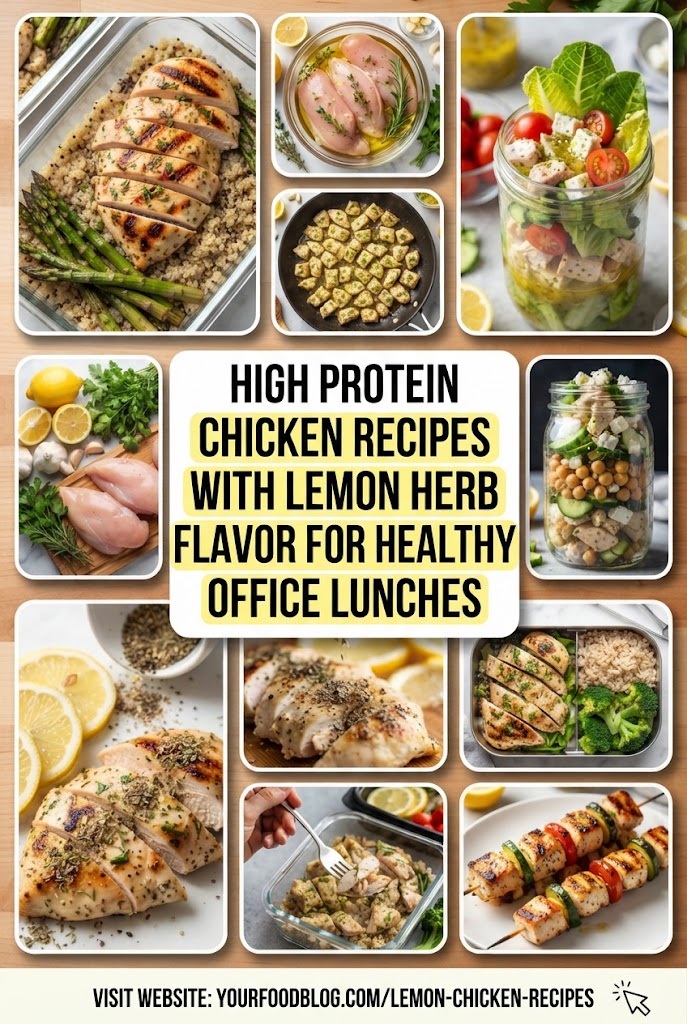
In the fast-paced world of corporate deadlines, back-to-back Zoom calls, and the perpetual hustle of the modern office, nutrition often takes a backseat. We’ve all been there: the 3:00 PM slump hits, your energy levels crater, and the vending machine starts looking like a five-star restaurant. The culprit? Usually, it’s a lunch that was either too heavy in refined carbohydrates or too light in the muscle-building, satiety-inducing powerhouse known as protein.
Enter the Lemon Herb Chicken. It is the undisputed king of the “healthy office lunch.” It is bright, refreshing, incredibly lean, and packed with the amino acids necessary to keep your brain sharp and your metabolism firing. But how do you move beyond the “boring” boiled chicken breast? How do you ensure your meal prep stays juicy and flavorful until Thursday afternoon?
This comprehensive guide explores the science, the art, and the specific recipes for Lemon Herb Chicken that will transform your midday meal into the highlight of your workday.
The Science of the High-Protein Lunch
Before we dive into the kitchen, it is essential to understand why protein and citrus are your best friends in an office environment.
1. Satiety and the “Second Meal Effect”
Protein has the highest thermic effect of food (TEF), meaning your body burns more calories processing it than it does fats or carbs. More importantly, protein regulates “hunger hormones” like ghrelin. A high-protein lunch ensures you aren’t reaching for a sugary snack ninety minutes after eating.
2. Cognitive Clarity
Chicken is rich in tryptophan and tyrosine. Tyrosine, in particular, is a precursor to dopamine and norepinephrine—neurotransmitters that help you stay focused and alert under pressure.
3. The Power of Lemon
Lemon isn’t just a garnish. The citric acid acts as a natural tenderizer for the chicken fibers, while the scent of lemon (limonene) has been shown in various studies to reduce cortisol levels and boost mood. In a stressful office, that lemon scent is a mini-aromatherapy session.
Recipe 1: The Mediterranean Lemon Herb Power Bowl
This is the “Gold Standard” of office lunches. It combines complex carbohydrates, healthy fats, and a massive hit of protein. It’s designed to be eaten cold or slightly warm, making it versatile for any office kitchen situation.
Ingredient Details (Form Shape)
| Category | Ingredient | Quantity (Per 4 Servings) | Purpose |
|---|---|---|---|
| Protein | Chicken Breast (Boneless/Skinless) | 2 lbs (approx. 900g) | Lean muscle support |
| Acid | Fresh Lemon Juice & Zest | 3 Large Lemons | Tenderizing & Brightness |
| Fat | Extra Virgin Olive Oil | 1/4 Cup | Heart health & flavor carrier |
| Herbs | Fresh Oregano & Thyme | 3 Tbsp (Finely Minced) | Earthy Mediterranean notes |
| Aromatics | Fresh Garlic | 5 Cloves (Crushed) | Immune support & pungency |
| Base | Pearl Couscous or Quinoa | 2 Cups (Cooked) | Sustained energy release |
| Vegetables | English Cucumber & Cherry Tomatoes | 2 Cups (Chopped) | Hydration and micronutrients |
| Fat/Salt | Feta Cheese & Kalamata Olives | 1/2 Cup | Salty finish & probiotic boost |
Step-by-Step Recipe Instructions
- The Preparation of the Protein: Start by patting your chicken breasts completely dry with paper towels. This is a crucial step often missed; moisture on the surface prevents the “Maillard reaction” (browning), which is where the flavor lives. Butterfly the thickest parts of the breast so the meat is an even thickness throughout.
- The Master Marinade: In a large glass bowl, whisk together the olive oil, lemon juice, lemon zest, minced garlic, oregano, and thyme. Add a generous teaspoon of sea salt and cracked black pepper.
- The Marination Phase: Submerge the chicken in the marinade. If you are in a rush, 30 minutes will do, but for the best office lunch experience, let it sit for 4 hours in the refrigerator. The acid will break down the tough proteins, ensuring the meat stays succulent even after reheating.
- The Sear: Heat a cast-iron or heavy-bottomed skillet over medium-high heat. Add a tiny drop of oil. Place the chicken in the pan—do not overcrowd. Let it sear for 5-6 minutes on one side until a golden-brown crust forms. Flip and cook for another 4-5 minutes.
- The Rest: Remove the chicken from the pan and let it rest on a cutting board for at least 8 minutes. This allows the juices to redistribute. If you cut it too soon, the moisture will leak out, leaving you with “cardboard chicken” by lunchtime tomorrow.
- The Base Assembly: While the chicken rests, fluff your cooked quinoa or couscous. Toss it with a splash of lemon juice and some chopped parsley.
- Final Construction: Slice the chicken into bite-sized strips. In your meal prep containers, layer the grain base, followed by the chopped cucumbers, tomatoes, and olives. Place the chicken on top. Sprinkle with feta cheese.
- Office Storage: Store in airtight glass containers. This keeps the vegetables crisp and prevents the lemon scent from permeating other foods in the communal fridge.
Recipe 2: Zesty Lemon-Rosemary Chicken with Roasted Asparagus
Rosemary offers a more sophisticated, “woody” flavor profile that pairs excellently with the sweetness of roasted vegetables. This is a low-carb, high-protein powerhouse.
Ingredient Details (Form Shape)
| Category | Ingredient | Quantity (Per 4 Servings) | Purpose |
|---|---|---|---|
| Protein | Chicken Thighs (Boneless/Skinless) | 1.5 lbs | Higher moisture content |
| Acid | Apple Cider Vinegar & Lemon | 2 Tbsp / 1 Lemon | Deep tanginess |
| Herb | Fresh Rosemary | 4 Sprigs (Stripped & Chopped) | Piney, aromatic depth |
| Vegetable | Young Asparagus Spears | 2 Bunches | Fiber and Vitamin K |
| Seasoning | Smoked Paprika | 1 tsp | Subtle smokiness |
| Sweetener | Raw Honey | 1 tsp | Balances the lemon’s acidity |
| Oil | Avocado Oil | 2 Tbsp | High smoke point for roasting |
Step-by-Step Recipe Instructions
- Oven Prep: Pre-heat your oven to 400°F (200°C). This recipe uses the “Sheet Pan” method, which is the most efficient way to meal prep for a 5-day work week.
- Flavor Infusion: In a small jar, shake together the avocado oil, lemon juice, honey, chopped rosemary, and smoked paprika.
- Coating the Ingredients: On a large baking sheet, spread out the chicken thighs and the trimmed asparagus. Pour the marinade over everything. Use your hands to ensure every inch of the chicken and every spear of asparagus is coated.
- Arrangement: Ensure the chicken pieces are not touching each other. This allows the hot air to circulate, creating a slight crisp on the edges.
- The Roast: Place the tray in the center rack. Roast for 20-25 minutes. Chicken thighs are more forgiving than breasts; they contain slightly more fat, which prevents them from drying out during the roasting process.
- The “Char” Factor: For the last 2 minutes, turn the oven to “Broil.” This will slightly caramelize the honey and the lemon sugars on the surface of the chicken.
- Cooling: Allow the tray to cool significantly before transferring to containers. Putting hot food into a closed container creates steam, which will make your asparagus mushy.
- Serving Suggestion: This meal is excellent served with a side of Greek yogurt mixed with a little lemon zest to act as a high-protein “sauce.”
Recipe 3: Lemon Herb Chicken Salad (The No-Microwave Option)
Sometimes, the office microwave is a war zone. Or perhaps you just want something light and refreshing during a hot summer workday. This is not your grandmother’s mayo-heavy chicken salad. It’s a clean, protein-packed version using Greek yogurt and tons of fresh herbs.
Ingredient Details (Form Shape)
| Category | Ingredient | Quantity (Per 4 Servings) | Purpose |
|---|---|---|---|
| Protein | Poached Chicken Breast | 3 Large Breasts | Soft, tender texture |
| Binder | Non-Fat Greek Yogurt | 1 Cup | Probiotics & extra protein |
| Herb 1 | Fresh Dill | 1/2 Bunch | Traditional “fresh” flavor |
| Herb 2 | Chives | 1/4 Cup (Snipped) | Mild onion finish |
| Crunch | Celery & Red Onion | 1/2 Cup Each | Textural contrast |
| Nut/Seed | Toasted Sliced Almonds | 1/4 Cup | Healthy fats and crunch |
| Fruit | Dried Cranberries (Optional) | 2 Tbsp | Tiny bursts of sweetness |
Step-by-Step Recipe Instructions
- The Poaching Method: To keep the chicken incredibly tender for a cold salad, poaching is superior to grilling. Place chicken breasts in a pot and cover with water or chicken broth. Add a few lemon slices and peppercorns. Bring to a boil, then immediately reduce to a very low simmer. Cover and cook for 12-15 minutes.
- The Shred: Once cooked and cooled, use two forks to shred the chicken into small, bite-sized pieces. Shredding allows the lemon-herb dressing to coat more surface area.
- The Creamy Base: In a large bowl, mix the Greek yogurt, the juice of one lemon, the chopped dill, and the chives. Season with salt and a lot of black pepper.
- The Integration: Add the shredded chicken, diced celery, and finely minced red onion to the yogurt mixture. Fold gently until everything is incorporated.
- The Toasted Element: In a dry pan over medium heat, toast the sliced almonds for 2-3 minutes until fragrant. Keep these in a separate small container or “snack baggie.” Do not add them to the salad until you are ready to eat, or they will lose their crunch.
- Office Presentation: Scoop the chicken salad into large Romaine lettuce leaves or serve inside a whole-wheat pita. It’s a mess-free, high-protein lunch that requires zero reheating time.
The Art of the Office Reheat: Avoiding “Rubber Chicken”
One of the biggest complaints about chicken-based office lunches is the texture after reheating. Chicken breast, when nuked in a microwave for three minutes, often turns into something resembling a pencil eraser. Here is how to avoid that:
- The Water Trick: Before closing the microwave door, sprinkle a few drops of water over your chicken. This creates a small amount of steam that rehydrates the meat.
- Low and Slow: Instead of 2 minutes on “High,” try 4 minutes on 50% power. This heats the food more evenly and prevents the edges from overcooking while the middle stays cold.
- The Damp Paper Towel: Cover your container with a damp paper towel. This acts as a lid that traps moisture while allowing some pressure to escape.
- Wait for the Salt: If possible, salt your chicken after reheating. Salt draws moisture out of the meat; by adding a pinch of flaky sea salt just before eating, you keep the moisture inside the chicken where it belongs.
Strategic Meal Prep: The 5-Day Blueprint
To make this sustainable for a busy career, you need a system. You shouldn’t be cooking every night.
- Sunday Evening (The Foundation):
- Cook a large batch of chicken (mix of breasts and thighs).
- Prepare your grains (quinoa, farro, or brown rice).
- Wash and chop all vegetables.
- The Container System:
- Use glass containers. They don’t retain odors, they are BPA-free, and they look professional.
- Compartmentalize: Keep “wet” ingredients (like lemon-herb dressing) in small 2-oz containers inside your main lunch box. Only dress the salad or chicken at the moment of consumption to maintain texture.
- The “Flavor Switch”:
- Don’t eat the exact same flavor five days in a row. Use the same chicken base but change the herbs. Use Oregano on Monday/Tuesday, Rosemary on Wednesday, and Dill on Thursday/Friday. This prevents “palate fatigue.”
Deep Dive: Ingredient Selection for Maximum Health
When the goal is a “Healthy Office Lunch,” the quality of your ingredients dictates the quality of your energy.
The Chicken
Look for “Air-Chilled” chicken. Most commercial chicken is water-chilled, meaning the meat absorbs water weight (which you pay for) and then releases it during cooking, making it soggy. Air-chilled chicken has a more concentrated flavor and a better texture.
The Herbs
While dried herbs are convenient, fresh herbs are superior for office lunches. Why? Because fresh herbs contain volatile oils that act as antioxidants.
- Parsley: High in Vitamin C and K. It’s a natural breath freshener—essential if your lunch contains garlic and you have a meeting right after.
- Cilantro: Helps the body chelate heavy metals and adds a citrusy punch.
- Basil: Contains anti-inflammatory properties that can help if you’ve been sitting at a desk all morning.
The Lemons
Always zest before you juice. The zest (the yellow part of the skin) contains the essential oils that provide the “perfume” of the lemon, while the juice provides the “sour.” You need both for a truly professional-grade dish.
Enhancing Your Lunch: The High-Protein Sidekicks
While the chicken is the star, the supporting cast determines the nutritional completeness of your meal.
- Edamame: Toss some shelled edamame into your chicken bowls. It’s an “incomplete” protein that, when paired with chicken, adds even more amino acid variety and a great pop of color.
- Pumpkin Seeds (Pepitas): High in magnesium. Magnesium is often called the “calming mineral,” perfect for days when the office stress is mounting. They add a nutty crunch to your lemon herb chicken.
- Lentils: If you want to increase the fiber content, a 50/50 mix of quinoa and black beluga lentils provides a sophisticated look and a massive boost to your digestive health.
Recipe 4: Lemon Herb Chicken Skewers with Tzatziki
Skewers are excellent for portion control and are arguably the most “fun” way to eat at your desk. They feel less like a “prepared meal” and more like a gourmet snack.
Ingredient Details (Form Shape)
| Category | Ingredient | Quantity (Per 4 Servings) | Purpose |
|---|---|---|---|
| Protein | Chicken Breast (Cubes) | 2 lbs | Easy to eat with one hand |
| Herb | Dried Marjoram & Parsley | 2 Tbsp Each | Floral and grassy notes |
| Acidity | White Wine Vinegar | 1 Tbsp | Sharpness to cut through fat |
| Sauce Base | Grated Cucumber | 1 Cup | Hydration and cooling |
| Sauce Pro | Garlic Powder | 1 tsp | Consistent flavor without “garlic breath” |
| Structure | Bamboo Skewers | 12-15 Units | Portability |
Step-by-Step Recipe Instructions
- The Soak: If using bamboo skewers, soak them in water for at least 30 minutes. This prevents them from splintering or burning during the cooking process.
- The Cubing: Cut your chicken breasts into uniform 1-inch cubes. Uniformity is the key to ensuring every piece is cooked to the safe 165°F (74°C) without some pieces becoming dry.
- The Seasoning: Toss the cubes in a bowl with lemon juice, white wine vinegar, olive oil, marjoram, and parsley.
- Threading: Thread 4-5 cubes onto each skewer. Leave a small gap between the pieces so the heat can reach all sides of the meat.
- The Grilling: Use a grill pan or a standard skillet. Cook for 3-4 minutes per side. The charred marks from a grill pan add a wonderful visual and smoky element.
- The Homemade Tzatziki: Squeeze the liquid out of the grated cucumber using a clean kitchen towel. Mix the dry cucumber with Greek yogurt, lemon juice, and garlic powder.
- Packing: Place the skewers in a long rectangular container. Put the tzatziki in a small dipping pot. This is a great “social” lunch if you eat in a common area.
Addressing the “Office Smell” Factor
One of the nuances of office life is being a “good neighbor.” Heavy fish or overly pungent cabbage dishes can cause friction in the breakroom. Lemon Herb Chicken is the perfect solution. The citrus scent is universally liked and actually acts as a deodorizer. By using fresh herbs instead of heavy powdered spices (like cumin or curry powder), you ensure that your lunch smells like a fresh garden rather than a spice market. This subtle consideration is part of being a professional.
Conclusion: Investing in Your Midday Fuel
Success in the workplace is built on consistency, and consistency is fueled by nutrition. By mastering the art of the High-Protein Lemon Herb Chicken, you are doing more than just “eating lunch.” You are providing your body with the building blocks for muscle repair, your brain with the precursors for focus, and your palate with a refreshing break from the monotony of the workday.
These recipes are designed to be flexible. Don’t be afraid to swap the quinoa for roasted sweet potatoes, or the asparagus for green beans. The core principles remain the same:
- High-quality protein.
- Bright, acidic lemon for flavor and tenderness.
- Fresh herbs for micronutrients and aroma.
- Smart meal-prepping for a stress-free week.
Take control of your lunch hour, and you take control of your afternoon productivity. Your body (and your boss) will thank you.