
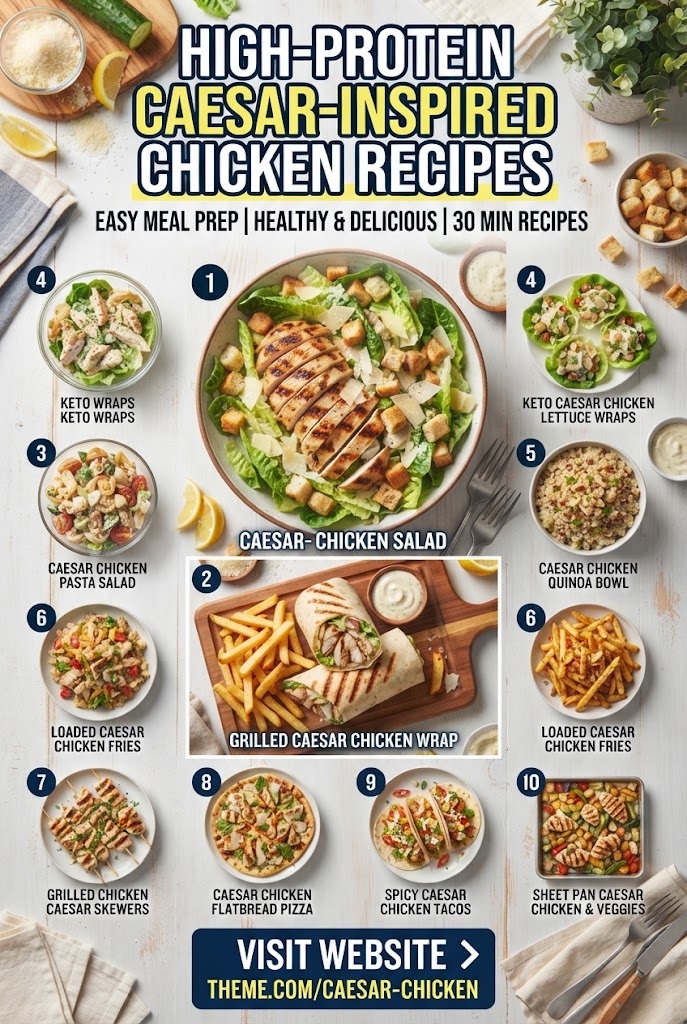
The Caesar flavor profile is one of the most iconic in the culinary world. Known for its perfect balance of salty, creamy, tangy, and savory notes, it has transcended its origins as a humble salad dressing to become a global sensation. When you combine this powerful flavor palette with high-quality, lean chicken protein, you create a nutritional powerhouse that is as satisfying as it is healthy.
In this comprehensive guide, we will explore five distinct ways to prepare Caesar chicken. These recipes focus on simplicity, using ingredients you likely already have in your pantry, while maximizing protein intake to support muscle recovery, weight management, and sustained energy levels throughout the day.
Understanding the Caesar Flavor Profile: The Anatomy of Taste
Before we dive into the recipes, it is essential to understand what makes “Caesar” flavor so addictive. It’s not just about the creaminess; it’s about the layers of umami.
The Core Elements
- The Salty Kick: Traditionally provided by anchovies or Worcestershire sauce.
- The Tang: Fresh lemon juice and Dijon mustard.
- The Sharpness: Raw garlic and aged Parmesan cheese.
- The Creaminess: Traditionally egg yolks and oil, but in our high-protein versions, we often substitute these with Greek yogurt or light mayonnaise to keep the calorie count low and protein high.
Recipe 1: The High-Protein Caesar Sheet Pan Roast
A one-pan wonder that is perfect for busy weeknights and meal prepping.
Ingredient Details in Form Shape
| Category | Ingredient | Quantity | Purpose |
|---|---|---|---|
| Protein | Lean Chicken Breasts | 1.5 lbs | Main protein source |
| Coating | Non-fat Greek Yogurt | 1/2 Cup | Base for the sauce; adds protein |
| Coating | Shredded Parmesan | 1/2 Cup | Adds saltiness and crust |
| Flavor | Garlic Cloves | 4 (Minced) | Pungent aromatic base |
| Flavor | Lemon Juice | 2 Tbsp | Acidic brightness |
| Flavor | Dijon Mustard | 1 Tbsp | Emulsifier and tang |
| Seasoning | Black Pepper | 1 Tsp | Heat and depth |
| Seasoning | Dried Oregano | 1/2 Tsp | Herbal undertone |
| Veggie | Asparagus or Broccoli | 1 Bunch | Fiber and micronutrients |
Recipe Details: Step-by-Step
Step 1: Prep the Oven and Pan Preheat your oven to 400°F (200°C). Line a large rimmed baking sheet with parchment paper or a silicone mat. This ensures the chicken doesn’t stick and makes cleanup a breeze.
Step 2: Create the Caesar Slather In a medium-sized mixing bowl, combine the Greek yogurt, shredded Parmesan, minced garlic, lemon juice, Dijon mustard, black pepper, and oregano. Whisk until the mixture is thick and uniform.
Step 3: Prepare the Chicken Pat the chicken breasts dry with a paper towel. This is a crucial step; if the chicken is wet, the sauce will slide off rather than sticking and forming a crust. If the breasts are very thick, butterfly them or pound them to an even 1-inch thickness for uniform cooking.
Step 4: Coating Process Place the chicken breasts on the baking sheet. Use a brush or a spoon to generously coat the top and sides of each breast with the Caesar yogurt mixture. Be liberal—this coating keeps the chicken incredibly juicy.
Step 5: Add the Greenery Toss your chosen vegetables (asparagus or broccoli) in a tiny bit of olive oil, salt, and pepper, and arrange them around the chicken on the same pan.
Step 6: The Bake Bake for 20-25 minutes. To ensure the chicken is perfectly cooked without drying out, use a meat thermometer to check that the internal temperature has reached 165°F (74°C).
Step 7: The Broil (Optional) For an extra golden-brown finish, turn the oven to “Broil” for the last 2 minutes of cooking. Watch closely to prevent the Parmesan from burning.
Recipe 2: Parmesan-Crusted Caesar Air Fryer Thighs
Crispy on the outside, succulent on the inside, and ready in under 20 minutes.
Ingredient Details in Form Shape
- Primary Meat: 1 lb Boneless, Skinless Chicken Thighs
- The “Glue”: 3 Tbsp Caesar Dressing (Low-calorie or Homemade)
- The Breading (Keto-Friendly):
- 1/2 Cup Grated Parmesan Cheese (the powdery kind works best here)
- 1/2 Cup Almond Flour (adds healthy fats and crunch)
- 1 Tsp Smoked Paprika
- 1 Tsp Garlic Powder
- The Finish: Freshly chopped parsley
Recipe Details: Step-by-Step
Step 1: The Dressing Dip Place your chicken thighs in a bowl and pour the Caesar dressing over them. Toss until every piece is fully submerged. Let them sit for 10 minutes to marinate if time permits.
Step 2: The Dry Mix In a shallow dish, combine the grated Parmesan, almond flour, smoked paprika, and garlic powder. Stir well with a fork to break up any lumps of cheese.
Step 3: Dredging One by one, take a chicken thigh from the dressing and press it into the dry mix. Flip it over and press again to ensure a thick, even coating. The Caesar dressing acts as the “glue” that holds the crust together.
Step 4: Air Fryer Setup Lightly spray the air fryer basket with non-stick cooking spray. Arrange the thighs in a single layer, ensuring they aren’t touching. This allows the hot air to circulate and create maximum crispiness.
Step 5: Cooking Cycle Air fry at 375°F (190°C) for 12-15 minutes. Halfway through (at the 7-minute mark), carefully flip the thighs using tongs.
Step 6: Resting Once golden and crispy, remove the chicken from the air fryer and let it rest for 3-5 minutes. This allows the juices to redistribute, ensuring a tender bite.
Recipe 3: Caesar Chicken “Pasta” (The High-Protein, Low-Carb Swap)
Using high-protein chickpea pasta or zoodles to satisfy those carb cravings without the heavy bloat.
Ingredient Details in Form Shape
| Component | Ingredient | Detail |
|---|---|---|
| The Base | Chickpea Pasta or Zucchini Noodles | 8 oz (dry weight) or 3 large zucchinis |
| The Meat | Cooked Shredded Chicken | 2 Cups (Rotisserie works great) |
| The Sauce | Low-fat Cottage Cheese | 1 Cup (Blended until smooth) |
| The Flavor | Anchovy Paste | 1/2 Tsp (Secret Umami ingredient) |
| The Flavor | Lemon Zest | From 1 whole lemon |
| The Flavor | Black Pepper | 1 Tsp (Freshly cracked) |
| The Crunch | Toasted Pine Nuts or Pumpkin Seeds | 2 Tbsp |
Recipe Details: Step-by-Step
Step 1: Prepare the Pasta Boil the chickpea pasta in salted water according to package directions. If using zucchini noodles (zoodles), sauté them in a pan for only 2 minutes—any longer and they become watery.
Step 2: The Secret High-Protein Sauce In a blender or food processor, combine the cottage cheese, anchovy paste, lemon zest, and half of the black pepper. Blend until it is completely smooth and looks like a creamy Caesar dressing. This sauce is packed with casein protein, which keeps you full for longer.
Step 3: Combine and Heat In a large skillet over low heat, add the shredded chicken and the cooked pasta/zoodles. Pour the blended cottage cheese sauce over the top. Stir gently to coat.
Step 4: Tempering the Sauce If the sauce is too thick, add a splash of the pasta cooking water (or a tablespoon of milk) until the desired consistency is reached. Do not let the sauce boil, or the cottage cheese might grain up. Just heat until warm.
Step 5: Garnish and Serve Serve immediately in deep bowls. Top with the remaining black pepper and toasted seeds for a crunchy texture that mimics traditional croutons.
Recipe 4: Caesar-Stuffed Spinach & Garlic Chicken Breasts
A gourmet-style dish that packs hidden greens and extra protein.
Ingredient Details in Form Shape
- Structure: 4 Large Chicken Breasts (approx. 6-8 oz each)
- Filling Mixture:
- 1 Cup Chopped Fresh Spinach
- 1/4 Cup Light Cream Cheese
- 1/4 Cup Shredded Parmesan
- 2 Cloves Garlic (pressed)
- Exterior Seasoning:
- Salt & Pepper
- Dried Thyme
- 1 Tbsp Caesar Dressing (for brushing)
Recipe Details: Step-by-Step
Step 1: The Pocket Using a sharp chef’s knife, cut a slit into the thickest part of the chicken breast to create a pocket. Be careful not to cut all the way through to the other side.
Step 2: The Filling In a small bowl, mix the spinach, cream cheese, Parmesan, and garlic until it forms a thick paste.
Step 3: Stuffing Spoon approximately 2 tablespoons of the spinach mixture into each chicken breast pocket. If necessary, secure the opening with a toothpick to keep the filling from leaking out during cooking.
Step 4: Searing for Flavor Season the outside of the chicken with salt, pepper, and thyme. Heat an oven-proof skillet over medium-high heat with a teaspoon of oil. Sear the chicken for 3 minutes on each side until a golden-brown crust forms.
Step 5: The Glaze Brush a thin layer of Caesar dressing over the top of each seared breast.
Step 6: Finish in the Oven Transfer the entire skillet to a 375°F (190°C) oven and bake for 10-12 minutes. This ensures the chicken is cooked through and the stuffing is hot and melted.
Recipe 5: Slow Cooker Caesar Shredded Chicken
The ultimate meal prep hack. One pot, five minutes of prep, and endless meal possibilities.
Ingredient Details in Form Shape
| Item | Specification | Amount |
|---|---|---|
| Base | Chicken Breast or Tenders | 2 lbs |
| Liquid | Chicken Broth (Low Sodium) | 1/4 Cup |
| Cream | Greek Yogurt Caesar Dressing | 1/2 Cup |
| Acid | Apple Cider Vinegar | 1 Tbsp |
| Spice | Red Pepper Flakes | 1/2 Tsp (Optional) |
| Finish | Extra Grated Parmesan | To taste |
Recipe Details: Step-by-Step
Step 1: Assembly Place the chicken breasts in the bottom of the slow cooker. Pour the chicken broth, Caesar dressing, apple cider vinegar, and red pepper flakes over the top.
Step 2: The Slow Cook Cover and cook on “Low” for 4 to 6 hours, or on “High” for 2 to 3 hours. Avoid overcooking, as chicken breast can become “stringy” if left too long.
Step 3: Shredding Once the chicken is tender and cooked through, remove it from the slow cooker and place it on a cutting board or in a large bowl. Use two forks to shred the meat.
Step 4: Re-absorption Return the shredded chicken to the slow cooker and toss it with the leftover cooking juices. This allows the meat to soak up all that concentrated Caesar flavor.
Step 5: Final Touch Stir in an extra handful of grated Parmesan just before serving. Use this chicken for wraps, over salads, or even in high-protein tacos.
The Science of the Ingredients: Why These Work
To truly master high-protein cooking, it helps to understand why these specific ingredients are chosen for Caesar-flavored dishes.
1. The Power of Greek Yogurt
In traditional Caesar dressing, the creaminess comes from an emulsion of oil and egg yolks. While delicious, this is very calorie-dense and offers little protein. By using Non-fat or Low-fat Greek Yogurt, we achieve several things:
- Protein Boost: Greek yogurt is roughly 10% protein by weight.
- Tang: The natural acidity of yogurt mimics the tanginess of traditional Caesar dressing.
- Tenderizing: The lactic acid in yogurt helps break down the protein fibers in chicken, making it incredibly tender even after baking.
2. Anchovies and Worcestershire: The Umami Giants
Many people are intimidated by anchovies, but they are the “secret weapon” of the Caesar profile. They provide umami—the fifth taste sense that signals “savory richness” to the brain.
- If you can’t stand the idea of whole anchovies, anchovy paste is a cleaner, more approachable option.
- Worcestershire sauce is a fermented liquid that contains anchovies and tamarind, offering a similar depth of flavor with less “fishy” intensity.
3. Parmesan Cheese: The Salt and Structure
Parmesan is a hard, aged cheese, meaning it has a lower water content and a higher protein-to-fat ratio than soft cheeses like Mozzarella.
- As a Breading: When used as a coating (like in Recipe 2), it crisps up beautifully, providing a salty crunch without the need for breadcrumbs or refined flour.
Maximizing Your Protein Intake: Pro-Tips
When your goal is high protein, every choice matters. Here is how to elevate these recipes even further:
Choose Your Cut Wisely
- Chicken Breast: The gold standard for high-protein, low-fat. It contains approximately 31g of protein per 100g.
- Chicken Thighs: Slightly higher in fat, which adds flavor and moisture. Thighs are more forgiving and harder to overcook, making them great for beginners. They contain about 26g of protein per 100g.
The “Double-Dressing” Method
If you are eating these recipes as part of a meal prep plan, always keep a small amount of extra “sauce” (the Greek yogurt Caesar mix) on the side. Chicken can dry out when reheated in a microwave; adding a fresh dollop of the protein-rich sauce after reheating restores moisture and flavor.
Pairing for Protein
Don’t just rely on the chicken. Pair your Caesar dishes with:
- Quinoa: A complete plant-based protein source.
- Edamame: High in fiber and protein.
- Hemp Seeds: Sprinkle these over your Caesar chicken for an extra 3g of protein per tablespoon.
Step-by-Step: Making Your Own “Healthy” Caesar Dressing
Store-bought dressings can be hidden sugar and fat traps. This DIY version is the backbone of all the recipes above.
Ingredients:
- 1 Cup Non-fat Greek Yogurt
- 1/4 Cup Fresh Lemon Juice
- 2 Tsp Dijon Mustard
- 2 Cloves Garlic (Grated or pressed)
- 1 Tsp Worcestershire Sauce
- 1/2 Cup Finely Grated Parmesan
- 1/2 Tsp Salt
- 1 Tsp Coarse Black Pepper
Preparation:
- In a medium bowl, whisk the yogurt and lemon juice until smooth.
- Add the mustard, garlic, and Worcestershire sauce. Whisk again.
- Fold in the Parmesan cheese.
- Season with salt and pepper.
- Taste and adjust. If it’s too tart, add 1/2 tsp of honey or stevia to balance the acidity.
Common Mistakes to Avoid
- Overcooking the Chicken: Because chicken breast is so lean, even 2 extra minutes in the oven can turn it from juicy to “cardboard-like.” Use a meat thermometer—it is the single best investment for a high-protein cook.
- Using Pre-Grated Cheese: Pre-grated Parmesan in a can or bag often contains cellulose (wood pulp) to prevent clumping. This prevents the cheese from melting and sticking to the chicken properly. Buy a block of Parmesan and grate it yourself for the best results.
- Crowding the Pan: Whether you are roasting or air frying, if the chicken pieces are touching, they will steam instead of roast. This results in soggy “crusts” rather than crispy Caesar goodness. Use two pans if necessary.
Nutritional Breakdown (Estimated per Serving)
While specific numbers depend on the brand of ingredients used, here is a general expectation for a standard serving of these recipes:
| Recipe | Calories | Protein | Carbs | Fat |
|---|---|---|---|---|
| Sheet Pan Roast | 320 | 45g | 8g | 12g |
| Air Fryer Thighs | 380 | 38g | 4g | 22g |
| Caesar “Pasta” | 410 | 42g | 25g | 15g |
| Stuffed Breasts | 350 | 48g | 6g | 14g |
| Shredded Chicken | 280 | 40g | 5g | 10g |
Storage and Meal Prep Advice
These recipes are designed to last.
- Fridge: Store any leftovers in airtight containers for up to 4 days.
- Freezing: The Shredded Caesar Chicken (Recipe 5) and the Roasted Breasts (Recipe 1) freeze exceptionally well. Wrap them tightly in foil and then place them in a freezer bag. They will stay fresh for up to 3 months.
- Reheating: To maintain the best texture, reheat in a toaster oven or air fryer at 350°F for 5-7 minutes. If using a microwave, cover the chicken with a damp paper towel to prevent it from drying out.
Conclusion: The Caesar Revolution in Your Kitchen
Embracing a high-protein diet doesn’t mean you have to endure bland, boiled chicken and steamed broccoli. By utilizing the complex, umami-rich flavors of the Caesar profile, you can transform simple ingredients into gourmet-quality meals that support your fitness goals.
Whether you prefer the crunch of a Parmesan crust, the comfort of a creamy “pasta,” or the convenience of a slow-cooker shred, these recipes provide a versatile foundation for any healthy lifestyle. Remember: the key to consistency in healthy eating is flavor. With these Caesar-inspired chicken dishes, you’ll never feel like you’re “dieting” again.
Experiment with the ratios, find your favorite level of garlic, and most importantly, enjoy the process of fueling your body with high-quality protein and world-class flavor.