
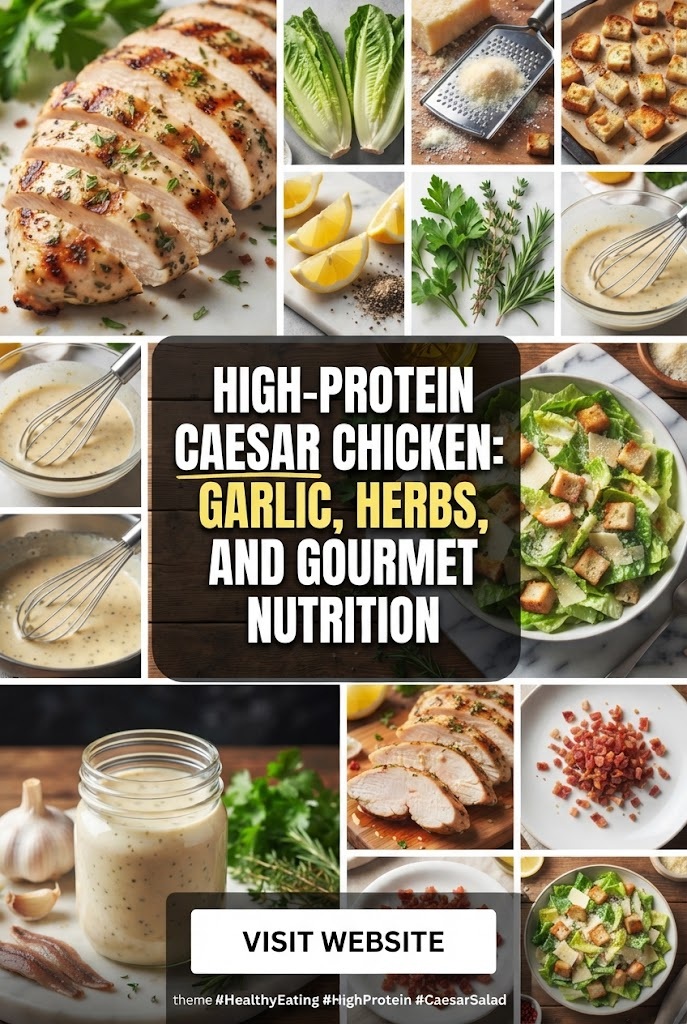
The intersection of high-performance nutrition and gourmet flavor is a space often sought but rarely mastered. When we think of “Caesar,” our minds immediately go to the classic salad—crisp romaine, salty parmesan, and that unmistakable creamy, umami-rich dressing. However, the profile of Caesar—anchovy-kissed, garlic-heavy, and zesty—is too good to be relegated to a side dish. By marrying these classic Mediterranean flavors with high-quality lean protein and an aromatic blend of herbs, we can transform the humble chicken breast into a culinary powerhouse.
This guide explores the science of flavor, the necessity of protein, and, most importantly, seven comprehensive, step-by-step recipes designed to fuel your body while satisfying your most intense cravings for garlic and herbs.
The Philosophy of the Caesar Flavor Profile
To cook Caesar-flavored chicken effectively, one must understand the “Umami Bomb.” The classic Caesar profile relies on a specific synergy of ingredients:
- Garlic: The aromatic backbone. When roasted or sautéed, it provides a mellow sweetness; when raw, it offers a sharp, spicy bite.
- Parmesan Cheese: Provides saltiness and the fermented depth of aged dairy.
- Lemon Juice: The acid that cuts through the richness of the fat and protein.
- Anchovy/Worcestershire: The secret source of depth. Even for those who “hate fish,” this is the ingredient that provides the “savory” sensation.
- Herbs: While not always in the traditional dressing, the addition of fresh parsley, thyme, and oregano elevates the chicken from a “salad topper” to a “main course.”
Building the High-Protein Foundation
Protein is the building block of muscle and the most satiating macronutrient. To maximize the protein-to-calorie ratio in these recipes, we focus on:
- Chicken Breast: The leanest source of poultry protein.
- Greek Yogurt Substitutions: Using non-fat Greek yogurt instead of heavy mayonnaise or oil-based dressings to add creaminess and an extra 15-20g of protein per serving.
- Nutritional Yeast: Often used alongside parmesan to boost the cheesy flavor while adding B-vitamins and extra protein.
Recipe 1: The “Gold Standard” Roasted Garlic and Herb Caesar Chicken
This is your base recipe. It’s perfect for Sunday meal prep or a centerpiece for a family dinner. It uses a wet rub technique to ensure the chicken stays juicy despite the lean nature of the breast.
Ingredient Details (Form Shape)
| Ingredient Group | Component | Quantity (4 Servings) |
|---|---|---|
| The Protein | Boneless, Skinless Chicken Breasts | 2 lbs (approx. 4 large) |
| The Caesar Base | Non-Fat Plain Greek Yogurt | 1/2 Cup |
| Fresh Lemon Juice | 2 Tbsp | |
| Worcestershire Sauce | 1 Tbsp | |
| Dijon Mustard | 1 Tsp | |
| The Garlic & Herbs | Fresh Garlic (Minced) | 6 Cloves |
| Fresh Parsley (Chopped) | 1/4 Cup | |
| Fresh Thyme (Leaves removed) | 1 Tsp | |
| Dried Oregano | 1/2 Tsp | |
| The Umami/Salt | Grated Parmesan Cheese | 1/2 Cup |
| Anchovy Paste (Optional) | 1/2 Tsp | |
| Cracked Black Pepper | 1 Tsp | |
| Sea Salt | To Taste |
Step-by-Step Preparation
- Prep the Chicken: Pat the chicken breasts dry with paper towels. If they are uneven in thickness, place them between parchment paper and lightly pound them with a meat mallet until they are a uniform 1-inch thickness. This ensures even cooking.
- Create the Caesar Herb Marinade: In a medium mixing bowl, whisk together the Greek yogurt, lemon juice, Worcestershire sauce, Dijon mustard, and anchovy paste. Once smooth, fold in the minced garlic, chopped parsley, thyme, oregano, and parmesan cheese.
- Marinate: Place the chicken breasts in a large glass dish or a zip-top bag. Pour the marinade over the chicken, ensuring every inch is coated. Allow this to marinate in the refrigerator for at least 30 minutes, or up to 4 hours. The acidity in the yogurt and lemon will help tenderize the meat.
- Preheat and Prepare: Preheat your oven to 400°F (200°C). Line a baking sheet with parchment paper or a silicone mat.
- The Roasting Process: Arrange the chicken on the baking sheet, leaving space between each breast. Scrape any remaining marinade from the bag/bowl onto the tops of the chicken.
- Bake: Roast for 18–22 minutes. The internal temperature should reach 165°F (74°C).
- The Broil (Optional but Recommended): For a golden-brown crust, turn the broiler on for the last 2 minutes of cooking. Watch closely to prevent the garlic from burning.
- Rest: Remove from the oven and let the chicken rest for 5-10 minutes. This allows the juices to redistribute, ensuring a succulent bite.
Recipe 2: Creamy Caesar Garlic Skillet Chicken with Zucchini Noodles
This recipe is designed for those looking for a “one-pan” wonder that fits a low-carb, high-protein lifestyle. By using a skillet, we create a pan-sauce that captures all the browned bits (fond) from the garlic and chicken.
Ingredient Details (Form Shape)
| Category | Ingredient | Amount |
|---|---|---|
| Main Protein | Chicken Breast (Cut into 1-inch cubes) | 1.5 lbs |
| Healthy Fats | Extra Virgin Olive Oil | 1 Tbsp |
| The Sauce | Light Cream Cheese (Softened) | 2 Tbsp |
| Chicken Bone Broth | 1/2 Cup | |
| Fresh Lemon Zest | 1 Tsp | |
| Aromatics | Sliced Garlic Cloves | 4-5 Large |
| Fresh Basil (Chiffonade) | 1/4 Cup | |
| Red Pepper Flakes | 1/4 Tsp | |
| Vegetables | Zucchini (Spiralized) | 3 Large |
| Cherry Tomatoes (Halved) | 1 Cup |
Step-by-Step Preparation
- Sear the Protein: Heat the olive oil in a large non-stick skillet over medium-high heat. Season the chicken cubes with salt and pepper. Add them to the skillet and sear until golden brown on all sides (about 5-6 minutes). Remove the chicken from the pan and set aside.
- Sauté Aromatics: In the same pan, lower the heat to medium. Add the sliced garlic and red pepper flakes. Sauté for 1-2 minutes until the garlic is fragrant and begins to turn a very pale golden color.
- De-glaze and Emulsify: Pour in the chicken bone broth, using a wooden spoon to scrape the flavorful bits off the bottom of the pan. Stir in the softened cream cheese and lemon zest until a smooth, creamy sauce forms.
- Simmer: Add the chicken back into the pan along with the cherry tomatoes. Let it simmer for 3-4 minutes until the sauce thickens slightly and the tomatoes begin to soften.
- The Zoodle Integration: Add the spiralized zucchini to the pan. Toss gently with tongs for only 2 minutes. You want the zucchini to be warm and coated in sauce but still retain a “crunch.” Overcooking zucchini will result in a watery dish.
- Garnish: Finish with a generous handful of fresh basil and an extra dusting of parmesan cheese if desired. Serve immediately.
Recipe 3: High-Protein “Air-Fried” Caesar Chicken Tenders
For those who crave the crunch of fried chicken but want to maintain a high protein profile, these “breaded” tenders use a mixture of parmesan and almond flour (or crushed pork rinds for zero-carb) instead of traditional breadcrumbs.
Ingredient Details (Form Shape)
| Component | Ingredient | Quantity |
|---|---|---|
| The Base | Chicken Tenderloins | 1.5 lbs |
| The “Glue” | Egg (Beaten) | 1 Large |
| Caesar Dressing (High Protein/Yogurt Based) | 2 Tbsp | |
| The Crust | Finely Grated Parmesan Cheese | 1/2 Cup |
| Almond Flour | 1/4 Cup | |
| Garlic Powder | 1 Tsp | |
| Dried Parsley | 1 Tsp | |
| Smoked Paprika | 1/2 Tsp | |
| Finishing | Fresh Lemon Wedges | For Serving |
Step-by-Step Preparation
- Set Up Dredging Station: In one shallow bowl, whisk the egg and the 2 tablespoons of Caesar dressing. In a second shallow bowl, combine the parmesan cheese, almond flour, garlic powder, dried parsley, and smoked paprika.
- Coat the Tenders: Dip each chicken tenderloin into the egg mixture, letting the excess drip off. Then, press it firmly into the parmesan mixture, ensuring a thick, even coat on all sides.
- Preheat Air Fryer: Set your air fryer to 390°F (198°C).
- Arrange: Place the tenders in the air fryer basket in a single layer. Do not overcrowd; air must circulate around each piece to get them crispy. You may need to work in batches.
- Cook: Air fry for 10–12 minutes, flipping halfway through. The crust should be golden and crispy, and the internal temperature should be 165°F.
- Serve: Squeeze fresh lemon juice over the hot tenders immediately upon removing them from the air fryer. This brightens the heavy parmesan flavors.
Recipe 4: Caesar Garlic and Herb Stuffed Chicken Breasts
This recipe elevates the protein by stuffing the chicken with a high-protein ricotta and spinach mixture, flavored with all the hallmarks of a Caesar dressing.
Ingredient Details (Form Shape)
| Category | Ingredient | Amount |
|---|---|---|
| The Meat | Thick Chicken Breasts | 3 Large |
| The Filling | Low-Fat Ricotta Cheese | 1/2 Cup |
| Chopped Frozen Spinach (Thawed/Squeezed Dry) | 1/2 Cup | |
| Minced Garlic | 3 Cloves | |
| Anchovy Paste | 1/4 Tsp | |
| Lemon Zest | 1/2 Tsp | |
| The Topping | Caesar Yogurt Sauce (See Recipe 1) | 1/4 Cup |
| Fresh Rosemary (Finely Minced) | 1/2 Tsp |
Step-by-Step Preparation
- Prepare the Pocket: Using a sharp paring knife, cut a slit into the side of each chicken breast to create a pocket. Be careful not to cut all the way through to the other side.
- Mix the Stuffing: In a small bowl, combine the ricotta, spinach, minced garlic, anchovy paste, and lemon zest. Mix until well incorporated.
- Stuff: Spoon the mixture into the chicken pockets. Use toothpicks to seal the opening so the filling doesn’t leak out during cooking.
- Sear: Heat a cast-iron skillet over medium heat with a light spray of oil. Sear the chicken for 3 minutes per side to develop a crust.
- Bake: Transfer the skillet to a preheated oven at 375°F (190°C). Brush the tops of the chicken with the Caesar yogurt sauce and sprinkle with minced rosemary.
- Final Cook: Bake for 15 minutes. Ensure the chicken is cooked through.
- Rest and Slice: Let the chicken rest for 5 minutes before removing toothpicks and slicing. The white ricotta and green spinach against the golden chicken look beautiful on the plate.
Recipe 5: One-Pot Caesar Chicken and Quinoa Power Bowl
This recipe is designed for the ultimate athlete. It combines the Caesar-flavored chicken with a high-protein grain (quinoa) and plenty of garlic-infused greens.
Ingredient Details (Form Shape)
| Part | Ingredient | Quantity |
|---|---|---|
| Protein | Diced Chicken Breast | 1 lb |
| Grain | Dry Quinoa (Rinsed) | 1 Cup |
| Liquid | Chicken Bone Broth | 2 Cups |
| Caesar Punch | Garlic Cloves (Smashed) | 6 Cloves |
| Fresh Dill | 1 Tbsp | |
| Fresh Chives | 1 Tbsp | |
| Lemon Juice | 2 Tbsp | |
| Grated Parmesan | 1/4 Cup | |
| Greenery | Chopped Kale or Chard | 2 Cups |
Step-by-Step Preparation
- Toast Quinoa and Garlic: In a large pot, heat a teaspoon of oil. Add the dry quinoa and the smashed garlic cloves. Toast for 2-3 minutes until the quinoa smells nutty and the garlic is softened.
- Add Liquid and Chicken: Pour in the chicken bone broth. Add the diced chicken breasts (raw) directly into the pot. Bring the mixture to a boil.
- Simmer: Reduce heat to low, cover the pot, and simmer for 15 minutes. The quinoa will absorb the broth while the chicken poaches in the flavored liquid, keeping it incredibly moist.
- Wilt the Greens: Remove the lid. Stir in the chopped kale. The residual heat will wilt the greens in about 2 minutes.
- Flavor Infusion: Stir in the lemon juice, fresh dill, chives, and parmesan. The starch from the quinoa and the parmesan will create a “creamy” texture without any added cream.
- Serve: Season with plenty of cracked black pepper. This bowl is excellent hot or cold for lunch the next day.
The Role of Garlic and Herbs in Satiety
One of the greatest challenges of a high-protein, “clean” diet is sensory boredom. When we eat the same bland chicken and broccoli every day, we are more likely to crave processed foods.
Garlic contains allicin, which has been studied for its potential to improve metabolism, but more importantly, it provides a “pungent” satisfaction that signals to the brain that the meal is hearty.
Fresh Herbs provide “top notes.” While the chicken and parmesan provide the heavy “base notes,” herbs like parsley, cilantro, and thyme provide volatile oils that hit the olfactory senses. This multi-sensory experience makes you feel fuller, faster.
Mastering the Herb Blend for Caesar Chicken
To truly master these recipes, you should understand which herbs to use when.
- Parsley: Use this as your “filler” herb. It adds a fresh, grassy note and a vibrant green color. It should be used in large quantities.
- Thyme: This herb has a woody, earthy flavor. Use it sparingly during the roasting process as it stands up well to heat.
- Oregano: Common in Mediterranean cooking, it adds a slight bitterness that balances the richness of the parmesan.
- Tarragon: If you want a “French” twist on your Caesar chicken, a tiny amount of tarragon provides a faint licorice note that pairs beautifully with garlic and lemon.
Nutritional Breakdown: Why This Works for Your Body
Let’s look at a standard serving of our Gold Standard Roasted Caesar Chicken:
- Calories: ~320
- Protein: 52g
- Carbohydrates: 4g
- Fats: 9g
Compare this to a traditional Caesar salad at a restaurant, which often hits 1,000 calories with only 20g of protein. By flipping the script—making the chicken the star and using Greek yogurt for the sauce—you are fueling muscle recovery while keeping insulin levels stable.
Pro-Tips for Success
- Roast Your Own Garlic: If you have time, roast a whole head of garlic in the oven with olive oil until the cloves are like paste. Use this “garlic butter” (without the actual butter) to rub under the skin of the chicken or mix into your yogurt sauce. The depth of flavor is incomparable.
- The Temperature Secret: Never guess if chicken is done. Use a digital meat thermometer. Overcooked chicken is dry and chalky; chicken pulled exactly at 160°F (allowing it to carry-over cook to 165°F) is a revelation.
- Anchovy Paste is Your Friend: Don’t be afraid of the tube. Anchovy paste adds “salt with a soul.” It doesn’t taste fishy once incorporated; it just tastes like the best version of savory.
- Acid Timing: Lemon juice loses its brightness when cooked for a long time. Always save a little bit of fresh lemon juice or zest to add after the chicken comes out of the oven.
Recipe 6: Caesar Garlic Herb Grilled Chicken Skewers
Ideal for summer grilling or indoor grill pans, these skewers maximize surface area, meaning more of that garlic-herb crust in every bite.
Ingredient Details (Form Shape)
| Category | Ingredient | Quantity |
|---|---|---|
| Protein | Chicken Breast (Cut into thin strips) | 2 lbs |
| Marinade | Non-Fat Greek Yogurt | 1 Cup |
| Fresh Garlic (Grated) | 8 Cloves | |
| Dried Oregano | 2 Tsp | |
| Red Wine Vinegar | 1 Tbsp | |
| Anchovy Fillets (Mashed) | 2-3 | |
| Vegetables | Red Onion (Chunks) | 1 Large |
| Green Bell Pepper (Chunks) | 2 Large | |
| Equipment | Wooden or Metal Skewers | 10-12 |
Step-by-Step Preparation
- Soak Skewers: If using wooden skewers, soak them in water for at least 30 minutes to prevent them from burning on the grill.
- High-Intensity Marinade: In a bowl, whisk yogurt, grated garlic (grating releases more oils than mincing), oregano, red wine vinegar, and mashed anchovies.
- Thread: Weave the chicken strips onto the skewers in an “S” shape, alternating with chunks of red onion and bell pepper.
- Coat: Brush the marinade heavily over the skewers. Let them sit for 20 minutes.
- Grill: Heat your grill to medium-high. Lightly oil the grates. Grill the skewers for 4-5 minutes per side. The yogurt will char slightly, creating a “tandoori-style” crust that is packed with Caesar flavor.
- Herb Finish: As soon as they come off the grill, sprinkle with a mix of chopped fresh parsley and mint for a cooling contrast to the charred garlic.
Recipe 7: Slow-Cooker “Shredded” Caesar Garlic Chicken
Perfect for high-protein tacos, wraps, or topping a massive bowl of greens. This method makes the chicken so tender it falls apart with a fork.
Ingredient Details (Form Shape)
| Component | Ingredient | Quantity |
|---|---|---|
| Main | Chicken Breasts | 2.5 lbs |
| Liquid Base | Caesar Dressing (Low Cal/High Protein) | 1/2 Cup |
| Chicken Broth | 1/4 Cup | |
| The “Kick” | Pickled Jalapeño Juice | 1 Tbsp |
| Whole Garlic Cloves | 10 Cloves | |
| Herbs | Dried Italian Seasoning | 1 Tbsp |
| Bay Leaf | 1 |
Step-by-Step Preparation
- Layer: Place the chicken breasts in the bottom of the slow cooker.
- Season: Throw in the 10 whole garlic cloves (they will become sweet and soft), the dried Italian seasoning, and the bay leaf.
- Pour: Pour the Caesar dressing, chicken broth, and jalapeño juice over the chicken.
- Cook: Set to “Low” for 6 hours or “High” for 3.5 hours.
- Shred: Remove the bay leaf. Use two forks to shred the chicken directly in the pot, allowing it to soak up all the juices and the now-mushy garlic cloves.
- Serve: This is the ultimate meal prep protein. Store in the fridge and use throughout the week for Caesar wraps (using high-protein tortillas) or salad toppers.
Advanced Flavor Pairing: The Caesar “Herb Compound”
If you want to take your cooking to a professional level, you can create a “Caesar Herb Paste.”
The Formula:
- 4 cloves Garlic
- 1 tbsp Anchovy Paste
- 1/2 cup Fresh Parsley
- 1 tsp Sea Salt
- 1 tsp Coarse Pepper
Pulse these in a food processor until a thick green paste forms. You can rub this under the skin of a chicken or sear it into the meat before adding any liquid. This concentrates the garlic and herb flavor, ensuring it doesn’t get washed away by other ingredients.
Conclusion: A New Era of High-Protein Dining
Eating for health and muscle growth does not have to be a chore. The Caesar flavor profile—rich in garlic, bright with lemon, and deep with umami—provides the perfect backdrop for high-protein chicken. By utilizing techniques like yogurt-based marinades, air-frying with parmesan “breading,” and slow-cooking with whole cloves of garlic, you can transform your diet into a gourmet experience.
These recipes prove that “High Protein” doesn’t mean “Boring.” Whether you choose the crispy crunch of the tenders or the refined elegance of the stuffed breast, you are fueling your body with the highest quality ingredients while treating your palate to the timeless, savory magic of Caesar, garlic, and fresh herbs.
Enjoy the process, experiment with the herb ratios, and most importantly, never settle for a dry, unseasoned chicken breast again.