
The golden hour following a grueling workout is often cited as the most critical window for physical transformation. Whether you are a dedicated bodybuilder, a marathon runner, or a weekend warrior hitting the local CrossFit box, what you consume after your training session determines how effectively your body repairs muscle tissue and replenishes energy stores.
Among the vast landscape of fitness nutrition, one flavor profile stands out for its perfect balance of functionality and indulgence: Teriyaki. While traditional restaurant Teriyaki can be laden with hidden sugars and preservatives, a home-cooked, high-protein version serves as a nutritional powerhouse. In this comprehensive guide, we will explore why chicken and Teriyaki are the ultimate post-workout partners and provide five distinct, high-protein recipes designed to optimize your recovery.
The Science of the Post-Workout Meal
Before diving into the kitchen, it is essential to understand the “why” behind the ingredients. After exercise, your body is in a state of catabolism—it has broken down muscle fibers and depleted its glycogen (stored carbohydrate) levels.
1. Muscle Protein Synthesis (MPS)
To shift from a catabolic state to an anabolic (building) state, you need protein. Chicken breast is the gold standard here. It is a “complete” protein, meaning it contains all nine essential amino acids. Specifically, it is rich in Leucine, the branched-chain amino acid that acts as the “on switch” for muscle protein synthesis.
2. The Role of Glucose and Insulin
While protein is the building block, carbohydrates are the delivery vehicle. The sugars in a well-balanced Teriyaki sauce (like honey or maple syrup) trigger a controlled insulin spike. Insulin is a highly anabolic hormone that helps shuttle amino acids directly into the muscle cells, speeding up recovery and reducing muscle soreness.
3. Micronutrients for Inflammation
A great Teriyaki sauce isn’t just sugar and soy; it’s infused with ginger and garlic. Both ingredients possess potent anti-inflammatory properties, which help manage the systemic inflammation caused by intense physical exertion.
The “Master” Healthy Teriyaki Sauce
Before we get to the specific meal recipes, you need a high-protein, low-refined-sugar base sauce. This “form” will be used across several recipes.
Ingredient Form/Shape: The Base Sauce
| Ingredient | Quantity | Purpose |
|---|---|---|
| Low-Sodium Soy Sauce | 1/2 Cup | Umami and Sodium for electrolyte balance |
| Rice Vinegar | 2 Tbsp | Acidity to tenderize the chicken |
| Raw Honey or Maple Syrup | 3 Tbsp | Fast-acting carbs for insulin response |
| Fresh Grated Ginger | 1 Tbsp | Anti-inflammatory and digestive aid |
| Fresh Minced Garlic | 3 Cloves | Immune support and flavor depth |
| Sesame Oil | 1 Tsp | Healthy fats and nutty aroma |
| Cornstarch or Arrowroot | 1 Tsp | For thickening (texture) |
| Water | 2 Tbsp | To create the slurry |
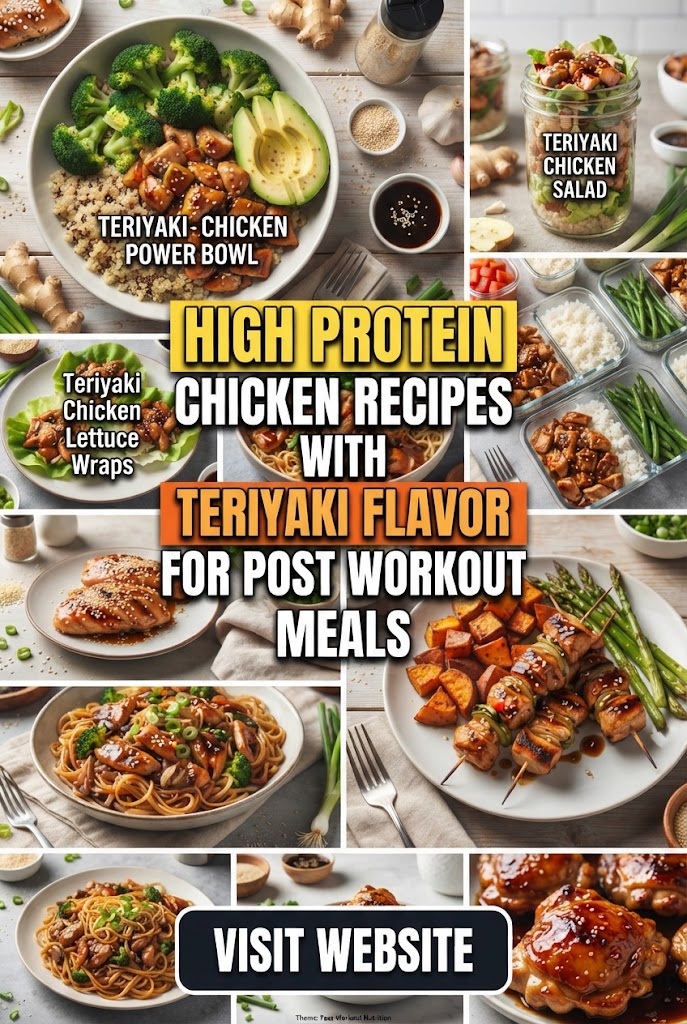
Recipe 1: The Ultimate Post-Workout Teriyaki Chicken & Quinoa Power Bowl
This is the foundational recipe for anyone needing a balanced 1:1 or 2:1 carb-to-protein ratio.
Ingredient Details in Form Shape
| Component | Ingredient | Quantity |
|---|---|---|
| Protein | Boneless, Skinless Chicken Breast | 1.5 lbs (Diced) |
| Complex Carb | Uncooked White or Red Quinoa | 1 Cup |
| Healthy Fats | Avocado Oil | 1 Tbsp |
| Vegetables | Broccoli Florets & Sliced Carrots | 2 Cups |
| Garnish | Toasted Sesame Seeds & Green Onions | To taste |
Step-by-Step Recipe Details
- Prepare the Quinoa: Rinse the quinoa under cold water to remove the bitter saponin coating. In a pot, combine 1 cup quinoa with 2 cups of water or chicken bone broth (for extra protein). Bring to a boil, then cover and simmer for 15 minutes. Fluff with a fork and set aside.
- Sear the Protein: Heat avocado oil in a large skillet or wok over medium-high heat. Add the diced chicken breast. Cook for 5-7 minutes until the chicken is golden brown and reaches an internal temperature of 165°F (74°C).
- Steam the Veggies: While the chicken cooks, lightly steam the broccoli and carrots until they are “fork-tender” but still vibrant. This preserves the vitamins.
- The Glaze: Lower the heat on the chicken skillet. Pour in the Master Teriyaki Sauce (prepared previously). In a small cup, whisk the cornstarch and water, then add it to the pan. Stir constantly for 2 minutes as the sauce thickens and coats the chicken in a glossy sheen.
- Assembly: Divide the quinoa into four bowls. Top with a generous portion of the Teriyaki chicken and the steamed vegetables.
- Final Touch: Sprinkle with sesame seeds and chopped green onions for a fresh crunch.
Recipe 2: Pineapple-Teriyaki Chicken Skewers (The Enzyme Booster)
Pineapple contains Bromelain, an enzyme that helps your body break down and absorb protein more efficiently, making this the perfect meal for heavy lifters.
Ingredient Details in Form Shape
| Component | Ingredient | Quantity |
|---|---|---|
| Protein | Chicken Thighs (Trimmed of fat) | 1.5 lbs (1-inch cubes) |
| Fruit | Fresh Pineapple Chunks | 2 Cups |
| Vegetables | Red Bell Pepper & Red Onion | 1 each (Large chunks) |
| Marinade | “Master” Sauce (see above) | 1/2 Cup |
| Fiber | Brown Rice (Side dish) | 2 Cups cooked |
Step-by-Step Recipe Details
- Marinate: Place the cubed chicken thighs in a bowl with half of the Teriyaki sauce. Let it marinate for at least 30 minutes. The acidity in the vinegar and the enzymes in the pineapple (if you add a splash of juice) will tenderize the meat perfectly.
- Skewering: Thread the chicken, pineapple, bell pepper, and red onion onto bamboo or metal skewers. If using bamboo, soak them in water for 20 minutes first to prevent burning.
- Grilling: Preheat a grill or a grill pan to medium-high heat. Lightly oil the grates.
- Cooking: Place skewers on the grill. Cook for 12-15 minutes, turning every 3-4 minutes. During the last 2 minutes of cooking, brush the remaining fresh Teriyaki sauce onto the skewers to create a caramelized crust.
- Serving: Serve these skewers over a bed of fluffy brown rice. The combination of the sweet pineapple and the savory chicken provides a massive boost to muscle recovery.
Recipe 3: One-Pan Teriyaki Chicken & Asparagus Stir-Fry
For those who want a quick cleanup without sacrificing their macros. Asparagus acts as a natural diuretic, helping to reduce post-workout bloating.
Ingredient Details in Form Shape
| Component | Ingredient | Quantity |
|---|---|---|
| Protein | Thinly Sliced Chicken Breast | 1 lb |
| Green Veggie | Fresh Asparagus (Woody ends removed) | 1 Bunch |
| Aromatics | Sliced Red Chilies & Ginger Strips | To taste |
| Crunch | Sliced Water Chestnuts | 1/2 Cup |
| Carb Source | Soba Noodles (Buckwheat) | 8 oz |
Step-by-Step Recipe Details
- Noodle Prep: Boil the soba noodles for 4-5 minutes (check package instructions). Drain and rinse with cold water to prevent sticking. Soba is excellent for athletes as it contains more protein and fiber than traditional pasta.
- High-Heat Stir-Fry: In a wok, heat a teaspoon of sesame oil. Add the thinly sliced chicken. Because the chicken is thin, it will cook in about 3-4 minutes. Remove chicken from the pan.
- Veggies: Add the asparagus and water chestnuts to the same hot pan. Stir-fry for 3 minutes until the asparagus is bright green. Add the chilies and ginger for the last 30 seconds.
- Combine: Return the chicken to the pan and add the cooked soba noodles.
- Sauce Injection: Pour 3/4 cup of the Teriyaki sauce over the mixture. Toss everything with tongs over high heat for 60 seconds until the sauce is reduced and everything is “tacky” and well-coated.
- Macros: This meal provides a dense hit of complex carbs and lean protein, perfect for replenishing glycogen after a long cardio session.
Recipe 4: Slow-Cooker “Shredded” Teriyaki Chicken (The Meal Prep King)
If you train in the evening and don’t want to cook when you get home, this recipe is a lifesaver. It yields enough for 5-6 meals.
Ingredient Details in Form Shape
| Component | Ingredient | Quantity |
|---|---|---|
| Bulk Protein | Whole Chicken Breasts | 3 lbs |
| Liquid Base | Teriyaki Master Sauce (Double Batch) | 1.5 Cups |
| Sweetener | Unsweetened Applesauce | 1/4 Cup (for moisture) |
| Fiber/Volume | Shredded Cabbage & Carrots | 4 Cups (as a base) |
| Topping | Sliced Jalapeños | Optional |
Step-by-Step Recipe Details
- Layering: Place the whole chicken breasts in the bottom of the slow cooker.
- The Bath: Pour the Teriyaki sauce and the applesauce over the chicken. The applesauce contains pectin, which helps the sauce thicken naturally over a long period without adding refined starch.
- Slow Cook: Set the cooker to “Low” for 6 hours or “High” for 3.5 hours. Avoid overcooking, as chicken breast can become dry if left too long.
- The Shred: Once cooked, remove the chicken to a large bowl and shred using two forks. It should pull apart effortlessly.
- Re-incorporate: Pour the liquid from the slow cooker into a small saucepan. Simmer on the stove for 5 minutes to reduce it by half, then pour it back over the shredded chicken.
- Serving Logistics: This shredded meat can be kept in the fridge for up to 5 days. After your workout, simply grab a portion, microwave it, and serve it over a “Slaw” of shredded cabbage and carrots or inside a whole-wheat wrap.
Recipe 5: Teriyaki Chicken Summer Salad (For the Cutting Phase)
When you are focused on fat loss while maintaining muscle (cutting), you want high volume and high protein with lower total calories.
Ingredient Details in Form Shape
| Component | Ingredient | Quantity |
|---|---|---|
| Protein | Leftover Grilled Teriyaki Chicken | 6-8 oz |
| Greens | Mixed Baby Spinach and Arugula | 3 Cups |
| Crunch | Sliced Radishes & Cucumber | 1/2 Cup |
| Fats | Sliced Almonds or Cashews | 1 Tbsp |
| Dressing | Teriyaki Sauce mixed with Greek Yogurt | 2 Tbsp each |
Step-by-Step Recipe Details
- The Greens: Use a large bowl to create a massive volume of greens. Spinach provides iron, which is essential for oxygen transport in athletes.
- Protein Prep: Slice your pre-cooked Teriyaki chicken into strips. Cold Teriyaki chicken has a firmer, more satisfying texture for salads.
- The “Creamy” Dressing Hack: To keep the protein high, mix 2 tablespoons of your Teriyaki sauce with 2 tablespoons of plain, non-fat Greek yogurt. This creates a creamy “Teriyaki Ranch” style dressing that is packed with extra protein and probiotics.
- Toss: Add the radishes, cucumbers, and chicken to the greens. Drizzle the dressing and toss thoroughly.
- Garnish: Top with sliced almonds. The vitamin E in almonds helps combat the oxidative stress caused by lifting heavy weights.
Nutritional Optimization: Why These Ingredients Matter
When we talk about “High Protein,” we are aiming for roughly 30-50 grams of protein per meal. However, the quality of the accompanying ingredients is what elevates these recipes from “food” to “fuel.”
The Importance of Sodium
Most people are told to avoid salt. However, as an athlete, you lose sodium through sweat. Sodium is required for the “sodium-potassium pump,” the mechanism that allows your muscles to contract and relax. The soy sauce in Teriyaki provides a controlled amount of sodium to help rehydrate you more effectively than water alone.
Ginger and Garlic: The Recovery Duo
Muscle soreness (DOMS) is the result of micro-tears and subsequent inflammation. Ginger contains gingerols, which have been scientifically compared to NSAIDs (like ibuprofen) in their ability to reduce muscle pain. Garlic supports the vascular system, ensuring that nutrient-rich blood can flow easily to the muscles you just trained.
Honey vs. Sugar
We use honey in these recipes because it contains a mix of fructose and glucose. This combination is superior for glycogen replenishment because it utilizes different transport pathways in the gut, leading to faster energy recovery without the “sugar crash” associated with high-fructose corn syrup found in bottled sauces.
Meal Prep Strategies for the Busy Athlete
Consistency is the most difficult part of any fitness journey. To ensure you actually eat these high-protein meals, you must master the art of the “Prep.”
1. The Bulk Chicken Bake
Don’t cook one breast at a time. Every Sunday, bake 4-5 lbs of chicken breast seasoned only with salt and pepper. This acts as a “blank canvas.” Throughout the week, you can add your homemade Teriyaki sauce to individual portions as needed.
2. Sauce Storage
Make a double or triple batch of the Master Teriyaki Sauce. It stores perfectly in a mason jar in the fridge for up to two weeks. This reduces your prep time for any of the recipes listed above to under 15 minutes.
3. The “Starch” Rotation
To keep your palate from getting bored, rotate your carbohydrates:
- Monday: Teriyaki Chicken with Quinoa.
- Wednesday: Teriyaki Chicken with Sweet Potato (The sweetness of the potato pairs beautifully with the soy).
- Friday: Teriyaki Chicken with Rice Noodles.
Customizing Macros for Your Goals
Depending on your specific fitness goals, you may need to adjust these recipes.
For Bulking (Muscle Gain)
If you are looking to add size, you need a calorie surplus.
- Adjustment: Use chicken thighs instead of breasts for higher calorie density.
- Adjustment: Double the serving of rice or quinoa.
- Adjustment: Add a tablespoon of peanut butter to the Teriyaki sauce for a “Thai-Teriyaki” hybrid that adds healthy fats and extra protein.
For Cutting (Fat Loss)
If you are leaning out for a competition or summer, you need to manage calorie density.
- Adjustment: Use “Cauliflower Rice” instead of grain-based rice.
- Adjustment: Replace half the honey in the sauce recipe with a stevia-based brown sugar substitute.
- Adjustment: Increase the vegetable-to-chicken ratio to 2:1 to stay full on fewer calories.
Frequently Asked Questions
Can I use frozen chicken?
Yes, but for the best texture, always thaw it completely in the refrigerator before cooking. Frozen chicken releases a lot of water, which can “boil” the chicken in the pan instead of searing it, leading to a rubbery texture.
Is Teriyaki too high in sugar for a post-workout meal?
No. In fact, post-workout is the only time you should be consuming those fast-acting sugars. They are essential for the insulin spike required to transport protein into the muscle cells.
What if I am Gluten-Free?
Simply replace the soy sauce with Tamari or Coconut Aminos. Coconut aminos are slightly sweeter, so you may want to reduce the honey in the sauce by one tablespoon.
Conclusion: Eat for the Body You Want
High-protein Teriyaki chicken is more than just a delicious meal; it is a strategic tool in your fitness arsenal. By balancing the lean protein of the chicken with the anti-inflammatory properties of ginger and garlic, and the glycogen-replenishing power of natural sugars, you are giving your body exactly what it needs to grow stronger.
Stop settling for bland, dry chicken and plain rice. By using the “Form Shape” ingredient lists and the step-by-step details provided in this guide, you can transform your post-workout recovery into the highlight of your day. Remember: your workout doesn’t end when you leave the gym; it ends when you’ve properly fueled your recovery.
Get to the kitchen, prep your sauce, and start building the physique you’ve worked so hard for.