
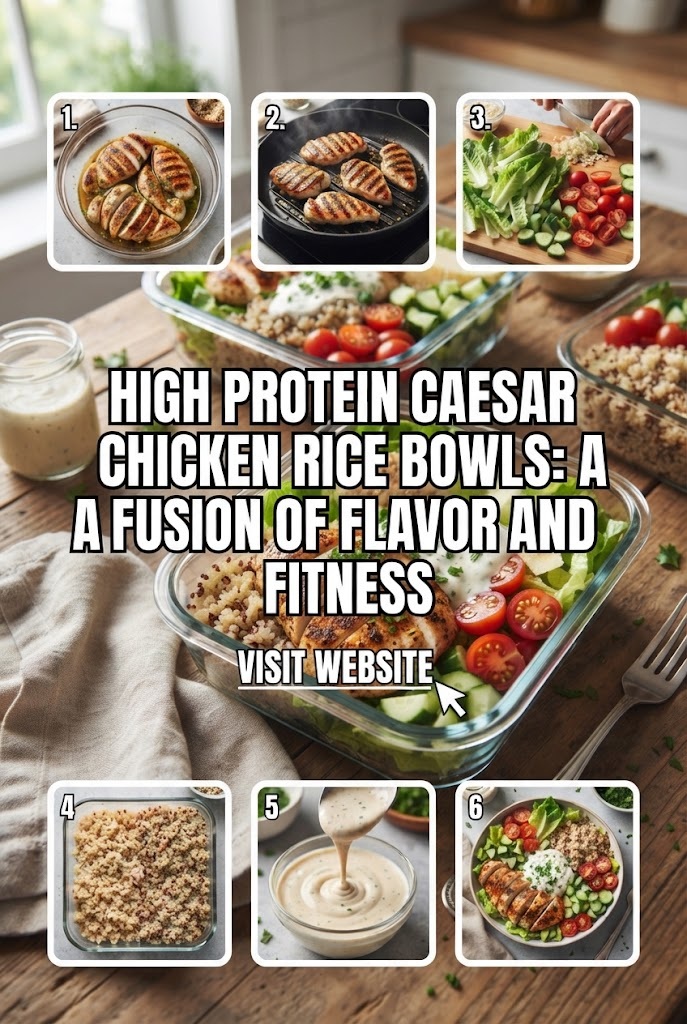
In the world of fitness and muscle building, the phrase “chicken and rice” has often become synonymous with boring, dry, and uninspired meals. However, when you marry the rich, umami-packed profile of a classic Caesar dressing with the lean power of chicken breast and the complex carbohydrates of rice and vegetables, you create a culinary masterpiece that fuels the body and delights the palate.
This guide explores the art of making High Protein Caesar Chicken with Rice and Vegetables. We will dive deep into the science of the ingredients, provide multiple recipe variations, and show you how to master the perfect balance of macronutrients without sacrificing flavor.
The Nutritional Powerhouse: Why Caesar Chicken Works
Before we jump into the kitchen, it is essential to understand why this specific flavor profile is so effective for a high-protein lifestyle. Traditional Caesar dressing is often criticized for its high fat content due to oil and egg yolks. However, by modifying the sauce using Greek yogurt and Parmesan cheese, we can maintain that signature salty, garlicky tang while significantly boosting the protein-to-calorie ratio.
The Macro Breakdown
- Protein: Sourced primarily from chicken breast and supplemented by Greek yogurt and Parmesan.
- Carbohydrates: Provided by high-quality rice (Basmati, Brown, or Jasmine) to replenish glycogen stores.
- Fiber and Micronutrients: Delivered through a diverse array of roasted and steamed vegetables.
- Healthy Fats: Derived from small amounts of extra virgin olive oil and the natural fats in the cheese.
The Essential Ingredient Form (A Comprehensive Master List)
To achieve the perfect texture and flavor, the quality and shape of your ingredients matter. Here is the foundational list of what you will need for these recipes.
| Ingredient Category | Item | Preferred Form/Shape | Purpose |
|---|---|---|---|
| Protein | Chicken Breast | Boneless, skinless, cut into 1-inch cubes or thin cutlets | Main protein source; cubes cook faster and absorb more marinade. |
| Grains | Basmati or Jasmine Rice | Long-grain, thoroughly rinsed | Provides fluffiness and prevents the bowl from becoming “mushy.” |
| Vegetables | Broccoli Florets | Small, bite-sized “trees” | Holds onto the Caesar sauce in the crevices. |
| Vegetables | Red Bell Peppers | Thinly sliced strips (julienned) | Adds sweetness and a crunch contrast. |
| Vegetables | Zucchini | Half-moon slices | Soft texture that absorbs the garlic notes. |
| The Base Sauce | Non-Fat Greek Yogurt | Thick, strained | The high-protein replacement for mayonnaise. |
| Flavor Enhancer | Parmesan Cheese | Finely grated (powder-like) | Provides the “salty” umami punch and thickens the sauce. |
| Aromatics | Garlic | Minced or pasted | Essential for the signature Caesar “bite.” |
| Acidity | Fresh Lemon | Juiced and Zested | Brightens the heavy flavors and tenderizes the chicken. |
| Salty Punch | Worcestershire Sauce | Liquid | Adds depth and replaces the traditional anchovy paste. |
| Seasoning | Black Pepper | Coarsely cracked | Essential for the classic Caesar appearance and spice. |
Recipe 1: The Signature Creamy Caesar Chicken & Roasted Vegetable Bowl
This is the flagship recipe. It balances a creamy texture with the charred, smoky flavor of roasted vegetables.
Ingredient Details
- Chicken: 1.5 lbs Chicken Breast (Cubes)
- Rice: 2 cups Basmati Rice (Dry)
- Vegetables: 2 cups Broccoli, 1 large Red Bell Pepper, 1 cup Asparagus tips
- The Sauce: 1 cup Greek Yogurt, 1/2 cup Parmesan, 2 tbsp Lemon Juice, 1 tbsp Dijon Mustard, 3 cloves Garlic (minced), 1 tsp Worcestershire sauce.
Step-by-Step Cooking Instructions
Step 1: Preparing the “Protein-Caesar” Marinade
In a large mixing bowl, whisk together the Greek yogurt, grated Parmesan, lemon juice, Dijon mustard, minced garlic, and Worcestershire sauce. Add a generous amount of cracked black pepper. Divide this mixture into two portions: 1/3 for the chicken marinade and 2/3 to be used as a finishing sauce.
Step 2: Marinating the Chicken
Place your 1-inch chicken cubes into the 1/3 portion of the sauce. Ensure every piece is coated. Let this sit for at least 30 minutes in the refrigerator. This allows the lemon and yogurt enzymes to tenderize the meat.
Step 3: Cooking the Perfect Fluffy Rice
- Rinse the rice under cold water until the water runs clear. This removes excess starch and prevents sticking.
- In a pot, combine 2 cups of rice with 3.5 cups of water or chicken bone broth (for extra protein).
- Bring to a boil, then reduce to a low simmer. Cover and cook for 15-18 minutes.
- Remove from heat and let it sit, covered, for 5 minutes before fluffing with a fork.
Step 4: Roasting the Vegetables
Preheat your oven to 400°F (200°C). Toss the broccoli, peppers, and asparagus in a small amount of olive oil, salt, and pepper. Spread them on a baking sheet in a single layer. Roast for 15-20 minutes until the edges are slightly charred but the vegetables remain crisp-tender.
Step 5: Searing the Caesar Chicken
Heat a large non-stick skillet over medium-high heat. Add the marinated chicken cubes. Do not overcrowd the pan; cook in batches if necessary. Sear for 6-8 minutes, turning occasionally, until the chicken reaches an internal temperature of 165°F. The yogurt marinade will caramelize, creating a flavorful “crust.”
Step 6: Assembly
In a deep bowl, place a large scoop of rice. Top with a portion of the Caesar chicken and a generous serving of roasted vegetables. Drizzle the remaining 2/3 of the Caesar sauce over the top and garnish with extra Parmesan cheese.
Recipe 2: The One-Pan Zesty Caesar Chicken Bake (Meal Prep Edition)
For those with a busy schedule, this one-pan method ensures you have five days of high-protein meals ready to go with minimal cleanup.
Ingredient Details
- Chicken: 2 lbs Chicken Breast (Sliced into long strips)
- Rice: 2 cups Brown Rice (Pre-cooked or parboiled)
- Vegetables: 3 cups Brussels Sprouts (halved) and 2 cups Carrots (sliced into rounds)
- Sauce: 1.5 cups Light Caesar Dressing (or the Greek yogurt version), 1/4 cup Hemp Seeds (for extra protein).
Step-by-Step Cooking Instructions
Step 1: Oven Prep
Preheat your oven to 425°F (220°C). Large sheet pans are best for this to ensure air circulation, which prevents the vegetables from steaming instead of roasting.
Step 2: The Vegetable Base
Toss the halved Brussels sprouts and carrot rounds in a bowl with a tablespoon of olive oil. Spread them across one-half of the baking sheet.
Step 3: Positioning the Protein
Place the chicken strips on the other half of the baking sheet. Brush each strip generously with the Caesar sauce.
Step 4: The Roasting Process
Bake for 18-22 minutes. Because the chicken is stripped, it will cook at a similar rate to the vegetables. At the 15-minute mark, sprinkle the hemp seeds over the chicken for an added nutty crunch and a protein boost.
Step 5: Incorporating the Rice
Since brown rice takes longer to cook, it is best to use pre-cooked rice for this sheet-pan method. During the last 5 minutes of baking, clear a small space on the pan or simply place the rice in a microwave-safe bowl to warm it.
Step 6: Final Glaze
Once out of the oven, give the chicken and vegetables one final brush of fresh Caesar sauce to replenish the moisture lost during baking.
Recipe 3: Caesar Chicken “Risotto Style” with Spinach and White Rice
This version focuses on a creamy, cohesive texture where the rice and sauce become one, reminiscent of a high-protein risotto.
Ingredient Details
- Chicken: 1 lb Chicken Breast (Poached and shredded)
- Rice: 1.5 cups Arborio or Short-grain White Rice
- Vegetables: 4 cups Fresh Baby Spinach, 1 cup Peas
- Liquid Gold: 4 cups Chicken Bone Broth (10g protein per cup), 1/2 cup Greek Yogurt, 1/2 cup Grated Parmesan.
Step-by-Step Cooking Instructions
Step 1: The Shredded Protein
Poach the chicken breast in simmering water with garlic and bay leaves for 12-15 minutes. Once cooked, shred it using two forks. This texture allows the chicken to meld perfectly into the creamy rice.
Step 2: Toasting the Rice
In a large pan, sauté a bit of garlic in olive oil. Add the dry rice and stir for 2 minutes until the edges of the grains are translucent.
Step 3: The Slow Simmer
Gradually add the chicken bone broth one cup at a time, stirring frequently. Wait for the liquid to be absorbed before adding the next cup. This process releases the starch from the rice, creating a creamy base.
Step 4: Folding in the Caesar Elements
When the rice is almost tender, stir in the shredded chicken, Greek yogurt, and Parmesan cheese. This creates the “Caesar” flavor profile within the rice itself.
Step 5: The Green Boost
Add the fresh spinach and peas during the last 2 minutes of cooking. The heat from the rice will wilt the spinach perfectly without overcooking it.
Step 6: Seasoning
Finish with plenty of cracked black pepper and a squeeze of fresh lemon juice to cut through the richness of the “risotto.”
Detailed Ingredient Analysis: The Shape of Nutrition
Understanding why we use specific forms of ingredients can help you customize your meals.
1. Chicken Breast (The Anchor)
- Form: Cubed vs. Sliced vs. Shredded.
- Why: Cubed chicken offers more surface area for the Caesar marinade to cling to. Sliced chicken is ideal for rapid searing, while shredded chicken is best for integrating into “wet” dishes like the risotto-style recipe.
- Protein Tip: Aim for 30-40g of protein per serving (roughly 5-6 oz of raw chicken).
2. The Rice (The Fuel)
- Basmati/Jasmine: High glycemic index, perfect for post-workout recovery when your muscles need quick energy.
- Brown/Wild Rice: High fiber, better for sustained energy throughout the day.
- The Shape: Long grains provide a “cleaner” mouthfeel in bowls, whereas short grains provide the “sticky” comfort of a hearty meal.
3. The Vegetables (The Volume)
- Cruciferous (Broccoli/Brussels Sprouts): These are “volumetric” foods. They fill your stomach without adding many calories, making them perfect for weight management.
- Fibrous (Peppers/Zucchini): These add water content and essential vitamins like Vitamin C, which aids in collagen synthesis and muscle repair.
Masterclass: The Art of the Healthy Caesar Dressing
The soul of this recipe lies in the dressing. To make it “High Protein,” we move away from the oil-heavy traditional version.
The “Pro-Fit” Caesar Sauce Recipe
- 1 cup Plain Non-Fat Greek Yogurt: Provides the creamy base and 20g of protein.
- 1/4 cup Freshly Grated Parmesan: Essential for the salty, nutty flavor.
- 2 Garlic Cloves: Must be crushed into a paste to distribute flavor evenly.
- 1 tsp Anchovy Paste (Optional): If you want the authentic taste. If not, use 2 tsp of Worcestershire sauce.
- 1 tbsp Dijon Mustard: Acts as an emulsifier and adds a spicy depth.
- Juice of half a Lemon: For acidity.
- Black Pepper: Lots of it.
Method: Whisk all ingredients in a jar. If it’s too thick, add a teaspoon of water or milk until you reach your desired consistency. This sauce can stay fresh in the fridge for up to 5 days.
Techniques for Maximum Flavor Retention
When cooking high-protein meals, people often complain about the meat being dry. Here is how to avoid that while using Caesar flavors:
The “Velveting” Technique
Before cooking the chicken, you can lightly coat the cubes in a mixture of cornstarch and a bit of the Caesar marinade. This creates a protective barrier that keeps the juices inside the chicken while it sears, resulting in a “restaurant-style” texture.
Deglazing the Pan
After searing the chicken, there will be brown bits (fond) stuck to the bottom of the pan. Don’t wash this away! Pour a splash of chicken broth or lemon juice into the hot pan and scrape the bits up. Pour this “liquid gold” over your rice for an incredible flavor boost.
Customizing Your Caesar Bowl: Vegetable Pairings
Different vegetables bring different nutrients and textures to your Caesar chicken and rice.
The “Green” Bowl
- Vegetables: Kale, Edamame, and Green Beans.
- Benefit: Extremely high in Vitamin K and plant-based protein (from edamame).
- Caesar Twist: Massage the kale with a bit of the Caesar dressing before adding it to the bowl to soften the tough fibers.
The “Antioxidant” Bowl
- Vegetables: Red Onion, Beets (roasted), and Carrots.
- Benefit: High in nitrates and antioxidants which improve blood flow and recovery.
- Caesar Twist: The sweetness of roasted beets pairs surprisingly well with the sharp acidity of the Caesar sauce.
The “Summer” Bowl
- Vegetables: Cherry Tomatoes, Cucumber, and Sautéed Corn.
- Benefit: High hydration and fresh flavors.
- Caesar Twist: Halve the tomatoes and let them sit in a bit of the dressing for 10 minutes before serving.
The Science of Meal Prepping Chicken and Rice
If you are making these recipes for the week, follow these rules to ensure they stay delicious:
- Undercover the Rice: Cook your rice with slightly less water than usual if you plan to reheat it. When you microwave it later, the steam from the chicken and vegetables will finish the softening process, preventing it from turning into mush.
- Separate the Sauce: Store the extra “finishing” Caesar sauce in small individual containers. Adding fresh sauce after reheating the chicken and rice makes the meal feel brand new.
- Cooling Down: Never put hot chicken and rice directly into a sealed Tupperware. Let the steam escape for 10 minutes first. This prevents moisture buildup, which can make the chicken rubbery.
- The 4-Day Rule: Cooked chicken is best consumed within 4 days. If you are prepping for 5 or 6 days, freeze the last two portions and thaw them in the fridge the night before.
Troubleshooting Common Issues
“My Caesar sauce curdled when I heated it.”
Greek yogurt can curdle if it hits a boiling pan. To avoid this, always add the yogurt-based sauce at the very end of the cooking process over low heat, or use it as a cold topping.
“The rice is too bland.”
Don’t just cook your rice in water. Use chicken broth, add a few smashed garlic cloves to the pot, or even a piece of lemon peel. This infuses the grain with flavor from the inside out.
“The chicken is tough.”
You likely overcooked it. Chicken breast is lean and dries out quickly. Use a meat thermometer and pull the chicken off the heat at 160°F; the carry-over heat will bring it to the safe 165°F mark while keeping it juicy.
Advanced Nutrition: Boosting the Protein Further
If you are in a heavy bulking phase or have high protein requirements, here is how to “supercharge” these recipes:
- Swap Rice for Quinoa: Quinoa contains more protein and all nine essential amino acids. You can mix it 50/50 with rice to keep the familiar texture.
- Add Egg Whites to the Rice: While cooking the rice (risotto style), stir in some liquid egg whites. They are flavorless but add a massive protein punch and a fluffy texture.
- Nutritional Yeast: Sprinkle nutritional yeast over the finished bowl. It has a cheesy flavor that complements Caesar dressing and adds 8g of protein per 2 tablespoons.
- Bone Broth over Water: Always use bone broth for the rice. It adds roughly 9-10g of protein per cup compared to zero in water.
Conclusion: A New Standard for Fitness Meals
The High Protein Caesar Chicken with Rice and Vegetables is more than just a meal; it’s a strategy. It proves that you don’t have to choose between reaching your fitness goals and enjoying your food. By utilizing the bold, garlic-forward flavors of Caesar dressing and pairing them with smart carbohydrate choices and nutrient-dense vegetables, you create a sustainable and enjoyable way of eating.
Whether you prefer the charred crunch of roasted vegetables, the creamy comfort of a Caesar-infused rice, or the efficiency of a one-pan bake, these recipes provide the versatility needed to keep your diet on track. Remember to focus on the quality of your ingredients, the “form” and “shape” of your cuts for texture, and the balance of your macros. Happy cooking, and enjoy the gains!