
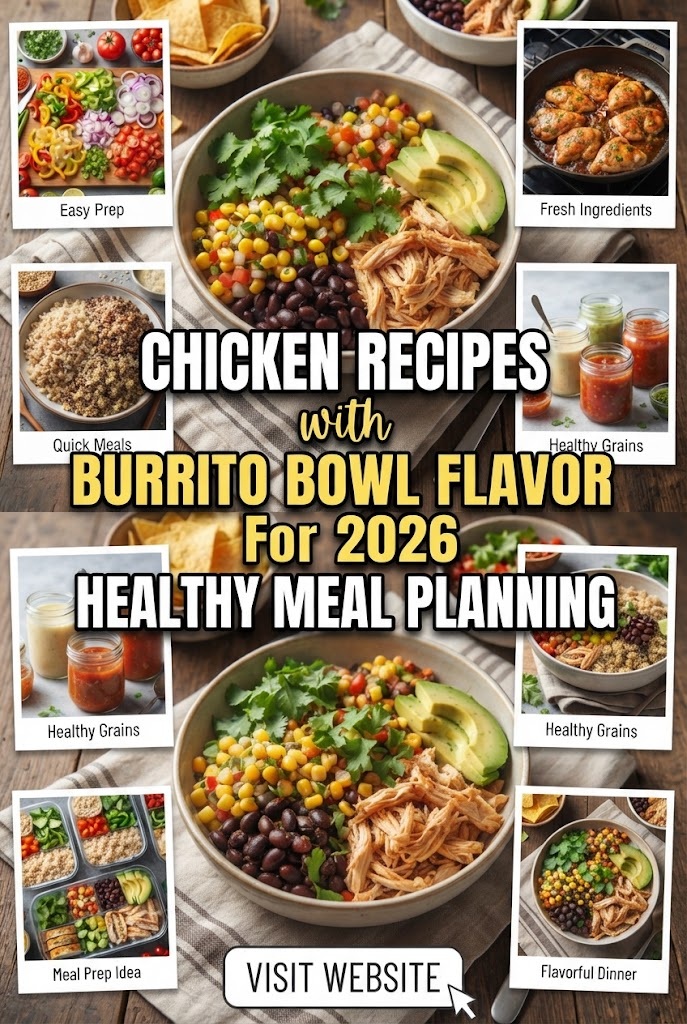
The landscape of healthy eating is shifting. As we look toward 2026, the focus has moved beyond simple calorie counting and toward “functional satiety”—the science of eating foods that not only fuel the body but also optimize cognitive function, muscle recovery, and long-term metabolic health. At the center of this movement is the high-protein chicken burrito bowl.
This isn’t just a trend; it is a lifestyle staple. The burrito bowl offers the perfect synergy of macronutrients: lean protein from chicken, complex carbohydrates from ancient grains or legumes, healthy monounsaturated fats from avocados, and a powerhouse of micronutrients from fresh vegetables.
In this comprehensive guide, we explore the ultimate high-protein chicken burrito bowl recipes designed for 2026 meal planning. These recipes focus on “Bio-Available” ingredients, time-saving preparation methods, and flavors that rival the best gourmet kitchens.
The Anatomy of the 2026 Burrito Bowl
To achieve the 35g–50g protein target per serving required for modern athletic and metabolic standards, we must look at the bowl as a modular system.
1. The Protein Base (The Foundation)
Chicken remains the gold standard for lean protein. In 2026, we prioritize air-chilled, organic chicken breast or thighs. The preparation method—whether it’s sous-vide for precision or air-frying for texture—is key to moisture retention.
2. The Complex Carb (The Fuel)
Moving beyond white rice, we look at “Smart Carbs.” Black beans, tri-color quinoa, sprouted brown rice, and farro provide the fiber necessary for gut health and steady insulin responses.
3. The Probiotic Element (The Gut Health Kick)
Modern meal prep incorporates fermented elements. Think pickled red onions, probiotic-rich Greek yogurt “crema,” or fermented hot sauces to support the microbiome.
4. The Healthy Fats (The Absorption Catalyst)
Vitamins A, D, E, and K are fat-soluble. Avocado, extra virgin olive oil, and pepitas (pumpkin seeds) ensure you are actually absorbing the nutrients you consume.
Recipe 1: The “Gold Standard” Chipotle Lime Chicken Bowl
This recipe focuses on maximum protein density with a classic smoky flavor profile that mimics the most popular high-end eateries but with optimized macros.
Ingredient Details (Form Shape)
| Category | Ingredient | Quantity (Per 4 Servings) | Protein Contribution |
|---|---|---|---|
| Protein | Organic Chicken Breast (Diced) | 1.5 lbs (approx. 700g) | 150g Total |
| Grain | Sprouted Brown Rice (Cooked) | 2 Cups | 10g Total |
| Legume | Black Beans (Low Sodium, Rinsed) | 1 Can (15 oz) | 21g Total |
| Healthy Fat | Large Hass Avocado | 2 Fruits | 4g Total |
| Produce | Romaine Lettuce (Shredded) | 3 Cups | 3g Total |
| Produce | Fresh Cilantro & Lime | 1 Bunch / 2 Limes | Negligible |
| Dairy/Sub | Non-Fat Plain Greek Yogurt | 1 Cup | 24g Total |
| Seasoning | Chipotle in Adobo & Garlic | 2 tbsp / 4 cloves | Negligible |
Step-By-Step Recipe Details
- Marinate the Chicken: In a large glass bowl, combine the diced chicken breast with 2 tablespoons of adobo sauce (from the chipotle can), minced garlic, the juice of one lime, and a teaspoon of smoked paprika. Let it sit for at least 30 minutes. In 2026, we suggest using “Vacuum Sealing” for 10 minutes to accelerate the marination process.
- Prepare the Smart Carb: Cook your sprouted brown rice according to package instructions, but replace half of the water with chicken bone broth to add an extra 5-8g of protein to the base.
- The “Air-Fry” Method: Preheat your air fryer to 400°F (200°C). Arrange the chicken in a single layer. Air fry for 12-15 minutes, shaking halfway through. This creates a “charred” exterior without the need for excess oils.
- Prepare the Bean Base: In a small saucepan, heat the black beans with a splash of water, a pinch of cumin, and a dash of sea salt. Simmer on low until the liquid thickens into a light sauce.
- Create the Probiotic Crema: Instead of sour cream, whisk 1 cup of non-fat Greek yogurt with lime juice, a pinch of salt, and finely chopped cilantro. This adds a massive protein boost while providing gut-friendly bacteria.
- Vegetable Prep: Finely shred the romaine lettuce and dice the tomatoes. For an extra crunch, slice some radishes thinly.
- Assembly: Start with 1/2 cup of rice, followed by a generous scoop of black beans. Add 6 oz of the cooked chicken.
- The Topping: Top with 1/4 of an avocado, a dollop of the Greek yogurt crema, and a handful of shredded lettuce. Finish with a squeeze of fresh lime.
Recipe 2: The Fire-Roasted Salsa Verde Chicken & Quinoa Bowl
This variation uses chicken thighs for a higher collagen content and moisture, paired with a tangy salsa verde that stimulates digestion.
Ingredient Details (Form Shape)
- The Protein: 1.5 lbs Boneless Skinless Chicken Thighs (Trimmed of excess fat).
- The Base: 1.5 Cups White Quinoa (High in essential amino acids).
- The Green Salsa: 5 Tomatillos, 2 Jalapeños, 1 White Onion, 4 Garlic Cloves.
- The Crunch: 1/2 Cup Toasted Pepitas (Pumpkin Seeds).
- The Veg: 2 Large Zucchini (Spiralized or diced).
- The Flavor: Ground Cumin, Coriander, Oregano, and Himalayan Salt.
Step-By-Step Recipe Details
- Roast the Salsa Ingredients: On a baking sheet, place halved tomatillos, jalapeños, peeled garlic, and quartered onion. Broil for 7-10 minutes until charred. Blend these ingredients with fresh cilantro and salt to create a fresh Salsa Verde.
- Quinoa Prep: Rinse quinoa thoroughly to remove bitter saponins. Boil in vegetable stock for 15 minutes, then fluff with a fork. Quinoa is a “complete protein,” making it ideal for 2026 vegan-adjacent or high-performance diets.
- Chicken Searing: Season chicken thighs with cumin and oregano. In a cast-iron skillet, sear over medium-high heat for 6 minutes per side. Once cooked, let the meat rest for 5 minutes before slicing into strips. This resting period is crucial for juice retention.
- Zucchini Sauté: In the same skillet used for the chicken (to catch the leftover flavors), quickly sauté the zucchini for 3 minutes. You want them “al dente” to maintain their structural integrity in meal prep containers.
- Pepita Toasting: In a dry pan, lightly toast the pumpkin seeds until they start to pop. These are a secret weapon for magnesium and protein.
- The Layering Process: Place a bed of quinoa at the bottom of your bowl. Layer the sautéed zucchini on one side.
- Salsa Integration: Toss the sliced chicken in half of the fresh Salsa Verde before placing it in the bowl. This ensures every fiber of the meat is infused with flavor.
- Final Flourish: Garnish with the toasted pepitas and extra fresh cilantro. This bowl is particularly high in minerals and healthy fats.
Recipe 3: The “Mega-Fiber” Blackened Chicken & Sweet Potato Bowl
Fiber is the most underrated component of protein synthesis. This bowl is designed for those looking to improve insulin sensitivity while building lean muscle.
Ingredient Details (Form Shape)
| Component | Item | Quantity | Benefit |
|---|---|---|---|
| Protein | Blackened Chicken Breast | 1.5 lbs | Lean Muscle Support |
| Starch | Roasted Sweet Potato Cubes | 3 Medium | Sustained Energy |
| Fiber | Sautéed Kale with Garlic | 4 Cups | High Micronutrient Density |
| Legume | Pinto Beans (Mashed) | 1.5 Cups | High Fiber / Low GI |
| Fat | Pickled Jalapeños & Olive Oil | 2 tbsp / 1 tbsp | Metabolism Boost |
| Topping | Cotija Cheese (Optional) | 1/4 Cup | Flavor / Calcium |
Step-By-Step Recipe Details
- Sweet Potato Roasting: Dice sweet potatoes into small 1/2 inch cubes. Toss with olive oil, paprika, and cinnamon (cinnamon helps with blood sugar regulation). Roast at 425°F for 25 minutes until caramelized.
- Blackening Seasoning: Create a rub using 1 tbsp paprika, 1 tsp onion powder, 1 tsp garlic powder, 1/2 tsp cayenne pepper, and 1 tsp dried thyme. Coat the chicken breasts thoroughly.
- Cast Iron Cooking: Heat a cast-iron skillet until smoking hot. Sear the chicken for 5 minutes per side. The spices will form a dark, flavorful crust. Finish in the oven if the breasts are particularly thick.
- The Kale Base: Instead of cold lettuce, sauté kale in a teaspoon of olive oil and minced garlic until wilted but vibrant green. This “warm salad” approach is a 2026 favorite for winter meal planning.
- Pinto Bean Smash: Warm the pinto beans and lightly mash them with a fork, adding a splash of lime juice. The texture contrast between the creamy beans and the crusty chicken is exceptional.
- Pickling: If you haven’t already, quick-pickle some red onions and jalapeños in apple cider vinegar and a pinch of salt. This adds the necessary acidity to cut through the richness of the chicken and potatoes.
- Building the Bowl: Place the sautéed kale as the foundation. Add the roasted sweet potatoes and the smashed pinto beans.
- Slicing and Serving: Slice the blackened chicken against the grain. Place it atop the beans. Garnish with a sprinkle of Cotija cheese and the pickled vegetables.
The 2026 Meal Prep Strategy: Batch Cooking Like a Pro
The key to successful meal planning in 2026 isn’t just about what you eat, but how you prepare it to ensure the food remains fresh, safe, and appetizing five days later.
1. The “Cooling” Rule
Never seal a meal prep container while the food is steaming. This creates condensation, which leads to soggy vegetables and rubbery chicken. Let your ingredients reach room temperature before snapping the lids on.
2. Texture Separation
In 2026, high-end meal preppers use multi-compartment glass containers. Keep your “wet” ingredients (salsa, Greek yogurt, avocado) separate from your “dry” ingredients (chicken, rice, kale) until the moment of consumption.
3. The Avocado Hack
To prevent oxidation (browning), mash your avocado with a significant amount of lime juice and press plastic wrap directly onto the surface of the mash, or keep the pit in the container.
4. Reheating for Quality
Avoid the microwave if possible. Use a portable food warmer or a rapid-heat steam oven. If you must use a microwave, place a damp paper towel over the chicken to prevent it from drying out.
Nutritional Mastery: Why This Works for Your Body
Understanding the why behind these recipes is essential for long-term health adherence.
- Protein Leverage Hypothesis: By consuming 40g+ of protein in your lunch bowl, you signal to your brain that you are “full,” significantly reducing the urge to snack on processed sugars in the afternoon.
- The Glycemic Index Advantage: By using quinoa or sprouted rice instead of white flour tortillas, we prevent the “insulin spike and crash” cycle. This leads to steady energy levels throughout the workday.
- Micronutrient Synergy: The vitamin C in the lime juice actually helps your body absorb the iron found in the black beans and kale. This is a prime example of “functional eating.”
Recipe 4: The Mediterranean-Mex Fusion Bowl (The 2026 Hybrid)
As global flavors continue to merge, the Mediterranean-Mexican fusion has become a powerhouse for those seeking the benefits of the Mediterranean diet with the bold flavors of Mexico.
Ingredient Details (Form Shape)
- Protein: Harissa-Rubbed Chicken Thighs (1.5 lbs).
- Base: Cauliflower Rice Mixed with Finely Chopped Parsley and Mint.
- Veggie Mix: Cucumber, Cherry Tomatoes, and Bell Peppers (Diced).
- Protein Boost: Roasted Chickpeas (1 Cup).
- Dressing: Tahini mixed with Lime Juice and Cumin.
- Fat: Kalamata Olives and Avocado.
Step-By-Step Recipe Details
- Harissa Chicken: Coat your chicken in Harissa paste—a North African chili paste that shares many flavor notes with Mexican dried chilies. Roast at 400°F for 20 minutes.
- The “Rice” Prep: Sauté cauliflower rice with a bit of garlic and lemon zest. Once off the heat, fold in a massive amount of fresh herbs (parsley/mint) to create a “Tabouli-style” base.
- Chickpea Crunch: Toss canned chickpeas with olive oil and cumin. Roast them alongside the chicken until they are crunchy. These act as your “croutons.”
- The Salad Component: Create a quick “Pico de Mediterraneo” by mixing diced cucumbers, tomatoes, and red onions with lime juice and a touch of dried oregano.
- Tahini Crema: Whisk together 2 tbsp of tahini, the juice of half a lime, a splash of water, and a pinch of salt. This provides a creamy, nutty alternative to traditional dairy toppings.
- Assembly: Lay down the herbal cauliflower rice. Add a heap of the cucumber-tomato salad.
- Adding the Protein: Place the Harissa chicken and the roasted chickpeas on top.
- Final Touches: Add a few olives for saltiness and a drizzle of the tahini dressing. This bowl is incredibly low in calories but exceptionally high in volume and protein.
Advanced Sauce Lab: 2026 Flavor Profiles
A burrito bowl is only as good as its sauce. For 2026, we are moving away from store-bought dressings that are filled with seed oils and hidden sugars.
1. The “Liquid Gold” Turmeric-Ginger Lime Sauce
- Ingredients: 1/4 cup Olive oil, 1 tsp Turmeric, 1 inch grated Ginger, 2 Limes (Juiced), 1 tsp Honey.
- Benefit: Anti-inflammatory powerhouse.
- Best For: The Roasted Salsa Verde Bowl.
2. The Smoky Cashew “Queso” (Dairy-Free)
- Ingredients: 1/2 cup Soaked Cashews, 1/4 cup Nutritional Yeast, 1/2 tsp Smoked Paprika, 1/2 cup Water, Salt.
- Benefit: High in healthy fats and B-vitamins.
- Best For: The Blackened Chicken & Sweet Potato Bowl.
3. The Fermented Habanero Mango Drizzle
- Ingredients: 1 Fermented Habanero, 1/2 cup Frozen Mango (thawed), Apple Cider Vinegar, Salt.
- Benefit: High in Vitamin C and metabolism-boosting capsaicin.
- Best For: The Gold Standard Chipotle Bowl.
Environmental and Ethical Considerations for 2026
When planning your meals for 2026, sustainability is no longer optional. It is a part of the health equation.
- Sourcing Chicken: Look for “Regenerative Organic” certifications. This ensures the chickens were raised in a way that actually restores the soil and ecosystem.
- Reducing Food Waste: Use the stems of your cilantro in your salsas (they have more flavor than the leaves anyway). Use chicken bones from your prep to make the bone broth for your rice.
- Seasonal Swaps: In the winter, swap the fresh tomato pico de gallo for a roasted beet or carrot salsa to ensure you are eating with the seasons, which optimizes nutrient density.
The 5-Day Meal Planning Schedule
To make this a reality, follow this 2026-optimized schedule:
- Sunday Afternoon (The Prep): Roast all your vegetables (sweet potatoes, peppers, onions). Cook your grains (quinoa or brown rice). Prepare your sauces and keep them in jars.
- Monday (Fresh Day): Cook the chicken for the first two days. Assemble the “Gold Standard” bowls.
- Tuesday: Eat the second “Gold Standard” bowl. Prepare the Mediterranean-Mex chicken in the evening (takes 20 mins).
- Wednesday: Assemble and eat the Mediterranean-Mex bowl.
- Thursday: Use the remaining roasted vegetables and grains to create a “Kitchen Sink” bowl with the Blackened Chicken.
- Friday: The final high-protein bowl. This is often the day you need the most energy, so go heavy on the healthy fats (extra avocado).
Common Mistakes to Avoid in High-Protein Meal Prep
- Overcooking the Chicken: Nothing ruins a meal prep faster than dry chicken. Use a meat thermometer and pull the chicken at 160°F (it will rise to 165°F while resting).
- Under-seasoning the Grains: Rice and quinoa are sponges. If you don’t season the water or broth they cook in, the entire bowl will taste bland, regardless of the toppings.
- Ignoring the “Crunch”: A common complaint with meal prep is that it all feels “soft.” Always include a texture element like roasted seeds, raw radishes, or fresh cabbage.
- Improper Storage: Invest in high-quality borosilicate glass containers. They are safer for reheating and keep food fresher than plastic.
Conclusion: The Future of Your Health
By adopting these high-protein chicken burrito bowl recipes for your 2026 healthy meal planning, you are doing more than just “preparing lunch.” You are engineering your biology for success. You are providing your muscles with the amino acids they need to repair, your gut with the fiber it needs to thrive, and your brain with the stable energy it needs to perform.
The burrito bowl is the ultimate canvas. It is adaptable, scalable, and—most importantly—delicious. Whether you are a high-performance athlete or a busy professional, the road to health in 2026 is paved with high-quality protein, vibrant vegetables, and the mindful preparation of