
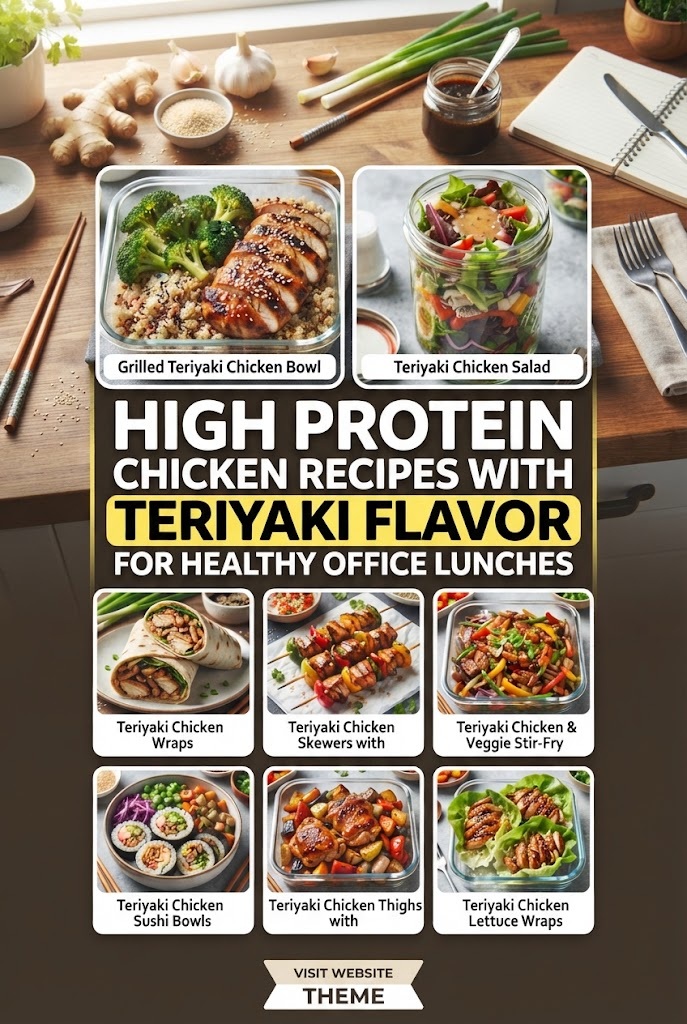
The mid-afternoon slump is a well-known phenomenon in office environments across the globe. Around 2:00 PM or 3:00 PM, productivity often dips as the body struggles to digest heavy, carb-laden lunches or crashes from the sugar found in processed fast food. To combat this, the “High-Protein Office Lunch” has become the gold standard for professionals who want to maintain mental clarity and physical energy throughout the workday.
Among the various flavors available for meal prepping, Teriyaki stands out as a crowd favorite. It offers a perfect balance of salty, sweet, and umami. However, traditional restaurant teriyaki is often loaded with refined sugars and sodium. By making it at home with high-quality chicken and wholesome ingredients, you can transform this classic dish into a protein powerhouse that fuels your brain and muscles.
This comprehensive guide provides five distinct High-Protein Teriyaki Chicken recipes, detailed ingredient breakdowns in structured formats, and step-by-step instructions to ensure your office lunches are the highlight of your day.
Why High Protein and Teriyaki?
Protein is the most satiating macronutrient. For the office worker, this means feeling full longer and avoiding the temptation of the office snack drawer. Chicken breast and thighs are excellent sources of lean protein, containing all essential amino acids necessary for muscle repair and neurotransmitter function.
The “Teriyaki” profile—typically consisting of soy sauce, a sweetener, ginger, and garlic—provides more than just taste. Ginger and garlic are known for their anti-inflammatory properties and immune-boosting benefits, which are essential when working in shared indoor spaces.
1. The Foundation: The Ultimate Low-Sugar Homemade Teriyaki Sauce
Before diving into the recipes, mastering the sauce is essential. This version replaces refined white sugar with natural alternatives and boosts the protein-to-calorie ratio.
Ingredient Details (Sauce Foundation)
| Ingredient | Quantity | Form/Shape | Purpose |
|---|---|---|---|
| Low-Sodium Soy Sauce | 1 Cup | Liquid | The salty, umami base. |
| Honey or Maple Syrup | 1/4 Cup | Viscous Liquid | Natural sweetness and glaze texture. |
| Fresh Ginger | 2 tbsp | Finely Grated | Zesty heat and digestive aid. |
| Fresh Garlic | 4 Cloves | Minced/Crushed | Savory depth and immune support. |
| Rice Vinegar | 2 tbsp | Liquid | Acidity to balance the sweetness. |
| Sesame Oil | 1 tsp | Liquid | Nutty aroma and healthy fats. |
| Cornstarch (Optional) | 1 tbsp | Fine Powder | Thicken the sauce for better coating. |
| Water | 1/4 Cup | Liquid | To create the cornstarch slurry. |
Step-by-Step Sauce Preparation
- Combine Aromatics: In a small saucepan, combine the soy sauce, honey, grated ginger, minced garlic, and rice vinegar over medium heat.
- Simmer: Bring the mixture to a gentle simmer. Stir constantly to ensure the honey dissolves completely and the flavors of the ginger and garlic infuse into the liquid.
- Prepare Slurry: While the sauce simmers, whisk the cornstarch into the water in a separate small bowl until no lumps remain.
- Thicken: Slowly pour the slurry into the simmering sauce while whisking. Continue to cook for 2–3 minutes until the sauce coats the back of a spoon.
- Finish: Remove from heat and stir in the sesame oil. Let it cool before using as a marinade or glaze.
Recipe 1: The Classic Teriyaki Chicken Meal Prep Bowl with Quinoa
This recipe is designed for maximum protein density. By using quinoa instead of white rice, you add an extra 8 grams of protein per cup and a significant amount of fiber.
Ingredient Details (Classic Bowl)
| Ingredient | Quantity | Form/Shape | Nutritional Focus |
|---|---|---|---|
| Chicken Breast | 1.5 lbs | 1-inch Cubes | High-quality lean protein. |
| Quinoa (Cooked) | 3 Cups | Fluffy Grains | Complex carbs & complete protein. |
| Broccoli Florets | 2 Cups | Bite-sized Pieces | Fiber, Vitamin C, and Iron. |
| Red Bell Pepper | 1 Large | Thin Strips (Julienne) | Antioxidants and crunch. |
| Green Onions | 3 Stalks | Sliced Rounds | Garnish and mild onion flavor. |
| Sesame Seeds | 1 tbsp | Whole Seeds | Healthy fats and texture. |
Step-by-Step Instructions
- Marinate the Chicken: Place the cubed chicken breast in a bowl with half of your homemade teriyaki sauce. Let it marinate for at least 20 minutes (or overnight in the fridge).
- Cook the Quinoa: Rinse 1 cup of dry quinoa. Combine with 2 cups of water or chicken broth. Bring to a boil, then cover and simmer for 15 minutes. Fluff with a fork.
- Sear the Chicken: Heat a large non-stick skillet over medium-high heat. Add the chicken (discard excess marinade). Cook for 6–8 minutes, turning occasionally until browned and cooked through (internal temp 165°F).
- Steam/Sauté Vegetables: In the same pan (or a steamer), cook the broccoli and bell peppers until tender-crisp. You want them to retain their vibrant color.
- Assemble: Divide the cooked quinoa into four airtight containers. Top with the chicken and vegetables.
- Glaze: Drizzle the remaining fresh teriyaki sauce over the chicken.
- Garnish: Sprinkle with sliced green onions and sesame seeds.
Recipe 2: Spicy Szechuan-Style Teriyaki Chicken Stir-Fry
For those who like a kick, this recipe incorporates crushed red pepper and sriracha to boost metabolism and add excitement to the workweek.
Ingredient Details (Spicy Stir-Fry)
| Ingredient | Quantity | Form/Shape | Flavor Profile |
|---|---|---|---|
| Chicken Thighs (Skinless) | 1.5 lbs | Strips | Juicy, tender protein. |
| Snap Peas | 1.5 Cups | Whole Pods | Sweet and crunchy. |
| Carrots | 2 Medium | Matchsticks | Earthy sweetness. |
| Sriracha | 1 tbsp | Paste/Sauce | Spicy heat. |
| Red Pepper Flakes | 1 tsp | Dried Flakes | Sharp spice. |
| Water Chestnuts | 1 Can (5oz) | Sliced Disks | Texture/Crunch. |
Step-by-Step Instructions
- Prep the Chicken: Slice the chicken thighs into thin strips. Season lightly with salt and pepper.
- Whisk the Spicy Sauce: Take 1/2 cup of your foundation teriyaki sauce and whisk in the sriracha and red pepper flakes.
- High-Heat Sauté: Using a wok or large skillet, heat a teaspoon of oil until shimmering. Add the chicken strips in a single layer. Let them sear for 2 minutes before tossing. Cook until golden.
- Add Vegetables: Toss in the snap peas, carrot matchsticks, and drained water chestnuts. Stir-fry for 3–4 minutes.
- Deglaze: Pour the spicy teriyaki sauce over the mixture. The sauce should bubble and thicken quickly, coating the ingredients in a glossy, spicy film.
- Portioning: Divide into containers. This recipe pairs exceptionally well with cauliflower rice for a lower-carb office lunch option.
Recipe 3: Honey-Garlic Teriyaki Chicken Skewers with Grilled Pineapple
Skewers are excellent for portion control and are surprisingly easy to eat at a desk. The addition of grilled pineapple provides natural enzymes (bromelain) to help with protein digestion.
Ingredient Details (Skewers)
| Ingredient | Quantity | Form/Shape | Role in Recipe |
|---|---|---|---|
| Chicken Breast | 2 lbs | 1.5-inch Cubes | Main Protein. |
| Fresh Pineapple | 1/2 Fruit | 1-inch Chunks | Digestive aid & sweetness. |
| Red Onion | 1 Large | Large Square Chunks | Savory balance. |
| Zucchini | 1 Large | Half-Moons | Volume and nutrients. |
| Bamboo Skewers | 12-15 | Soaked in water | Structural support. |
Step-by-Step Instructions
- Soak Skewers: If using bamboo skewers, soak them in water for at least 30 minutes to prevent burning.
- Thread the Skewers: Alternating ingredients, thread chicken, pineapple, red onion, and zucchini onto the skewers. Aim for 3–4 pieces of chicken per skewer.
- Brush with Sauce: Generously brush the assembled skewers with the foundation teriyaki sauce.
- Grill or Broil:
- Grill: Cook on medium-high heat for 5 minutes per side.
- Oven: Place on a parchment-lined baking sheet and broil for 6–8 minutes per side.
- Baste: Halfway through cooking, brush on more sauce to create a thick, caramelized crust.
- Cooling for Office: Allow the skewers to cool slightly before placing them in long meal prep containers. These can be eaten cold or reheated.
Recipe 4: Low-Carb Teriyaki Chicken Lettuce Wraps (The “Light” Lunch)
Sometimes, a heavy lunch leads to brain fog. These lettuce wraps provide high protein without the heavy starch, making them perfect for days with long afternoon meetings.
Ingredient Details (Lettuce Wraps)
| Ingredient | Quantity | Form/Shape | Function |
|---|---|---|---|
| Ground Chicken | 1.5 lbs | Minced/Crumbled | Lean, easy-to-eat protein. |
| Bibb or Butter Lettuce | 2 Heads | Whole Leaves | The “Wrap” (low carb). |
| Shiitake Mushrooms | 1 Cup | Finely Chopped | Umami and meatiness. |
| Bean Sprouts | 1 Cup | Fresh Strands | Refreshing crunch. |
| Hoisin Sauce (Optional) | 1 tbsp | Thick Sauce | Extra depth for the meat. |
| Cilantro | 1/2 Bunch | Chopped | Herbaceous finish. |
Step-by-Step Instructions
- Brown the Meat: In a large skillet, cook the ground chicken over medium heat until no longer pink. Break it into small crumbles with a wooden spoon.
- Incorporate Mushrooms: Add the finely chopped shiitake mushrooms to the chicken. The mushrooms will release moisture and then brown, adding a deep savory flavor.
- Sauce and Simmer: Add 1/2 cup of teriyaki sauce (and the optional hoisin). Simmer for 5 minutes until the liquid is mostly absorbed into the meat.
- Prep the Lettuce: Wash and dry the butter lettuce leaves. Keep them in a separate container or a reusable silicone bag to keep them crisp.
- Assembly (At the Office): To prevent sogginess, do not assemble the wraps until you are ready to eat. Spoon the warm (or cold) chicken mixture into a lettuce leaf, top with bean sprouts and cilantro, and enjoy.
Recipe 5: Slow-Cooker “Pulled” Teriyaki Chicken for Sandwiches or Salads
The slow cooker is the ultimate tool for a busy professional. This recipe yields incredibly tender chicken that can be shredded and used in various ways throughout the week.
Ingredient Details (Pulled Chicken)
| Ingredient | Quantity | Form/Shape | Purpose |
|---|---|---|---|
| Chicken Thighs | 2 lbs | Whole (Skinless/Boneless) | Maximum tenderness. |
| Apple Juice | 1/4 Cup | Liquid | Natural acidity for tenderizing. |
| Garlic Powder | 1 tsp | Dry Powder | Even seasoning. |
| Onion Powder | 1 tsp | Dry Powder | Savory base. |
| Sliced Jalapeños | 5-6 Slices | Rounds | Optional subtle heat. |
Step-by-Step Instructions
- Layering: Place the whole chicken thighs in the bottom of the slow cooker.
- Season: Sprinkle with garlic powder and onion powder.
- Liquid Gold: Pour 1 cup of teriyaki sauce and the apple juice over the chicken.
- Slow Cook: Set to “Low” for 6 hours or “High” for 3–4 hours. The chicken should be tender enough to fall apart with a fork.
- Shred: Remove the chicken from the pot and place it in a large bowl. Use two forks to shred the meat into strands.
- Reduce Sauce: Pour the remaining liquid from the slow cooker into a saucepan and boil for 5–10 minutes until thickened. Pour it back over the shredded chicken.
- Lunch Application: Use this pulled chicken on top of a bed of mixed greens, or inside a whole-grain bun for a protein-packed teriyaki sandwich.
Nutritional Strategy: Why These Ingredients Work
To understand why these recipes are superior for an office environment, we must look at the synergy of the ingredients used.
The Power of Chicken
Chicken is rich in Leucine, an amino acid that plays a vital role in muscle protein synthesis. For the office worker, chicken also provides Tryptophan. While often associated with the “sleepiness” of Thanksgiving turkey, when balanced with other nutrients, tryptophan is a precursor to Serotonin, the hormone that regulates mood and helps reduce stress during high-pressure work hours.
The Role of Complex Carbohydrates
By using quinoa, sweet potatoes, or cauliflower rice, these recipes avoid the rapid glucose spikes associated with refined white flour or white rice.
- Quinoa: A complete protein containing all nine essential amino acids. It has a low Glycemic Index (GI), meaning energy is released slowly into the bloodstream.
- Fiber: Ingredients like broccoli, snap peas, and carrots ensure that the digestion process is slowed down, providing a steady stream of fuel to the brain.
The Benefits of Ginger and Garlic
Office air can be stagnant and prone to circulating germs.
- Ginger: Contains gingerol, which has powerful anti-inflammatory and antioxidant effects. It is also excellent for settling an upset stomach caused by stress.
- Garlic: Contains allicin, which is known to enhance the immune system.
Masterclass: Meal Prepping for the Office
Creating the food is only half the battle. To ensure your high-protein teriyaki chicken remains delicious by Thursday, follow these professional meal prepping tips.
1. The Art of Reheating
One of the biggest complaints about chicken for lunch is that it becomes “rubbery” or dry when microwaved.
- The Ice Cube Trick: When reheating a bowl of chicken and rice/quinoa, place a single ice cube on top of the rice before microwaving. Cover the container loosely. The ice cube will steam the food, restoring moisture without making it soggy.
- Medium Power: Instead of microwaving on high for 2 minutes, try 50% power for 4 minutes. This heats the chicken more evenly and prevents the proteins from tightening and becoming tough.
2. Container Selection
Invest in high-quality glass containers.
- Glass vs. Plastic: Glass does not retain odors (important for garlic/ginger dishes) and does not leach chemicals when heated.
- Compartmentalization: If you dislike your sauce touching your vegetables until the last moment, use containers with dividers.
3. Preventing Sogginess
If you are making the lettuce wraps or a teriyaki salad:
- Dry Your Greens: Use a salad spinner. Any residual water on lettuce or spinach will cause the chicken’s sauce to become watery and unappealing.
- Layering: In a salad jar, place the sauce at the very bottom, followed by hard vegetables (carrots, cucumbers), then the chicken, and finally the greens at the top. Shake it up only when you are ready to eat.
Customizing Your Teriyaki Flavor
The beauty of the “Foundation Sauce” provided above is its versatility. Depending on your dietary needs or flavor preferences, you can easily modify it.
Gluten-Free Variation
Replace the soy sauce with Tamari or Coconut Aminos. Coconut aminos are slightly sweeter and lower in sodium, making them an excellent choice for heart-healthy diets.
Keto/Low-Carb Variation
Instead of honey or maple syrup, use a keto-approved sweetener like Allulose or Monk Fruit syrup. Use Xanthan Gum (just a pinch) instead of cornstarch to thicken the sauce without adding carbs.
The “Crunch” Factor
To add texture to your office lunch, consider these toppings added just before eating:
- Slivered Almonds: Adds Vitamin E and healthy fats.
- Crispy Onions: For a bit of indulgence.
- Radish Slices: For a peppery, fresh bite.
Detailed Ingredient Breakdown: Micronutrients and Benefits
To truly appreciate these recipes, let’s look at the “hidden” benefits within the ingredient list.
| Ingredient | Primary Micronutrient | Office Performance Benefit |
|---|---|---|
| Broccoli | Vitamin K / Folate | Improves cognitive function and brain power. |
| Bell Peppers | Vitamin C | Reduces cortisol (stress hormone) levels. |
| Sesame Seeds | Magnesium | Helps with focus and reduces muscle tension from sitting. |
| Carrots | Vitamin A (Beta-carotene) | Supports eye health—crucial for those staring at screens. |
| Onions | Quercetin | An antioxidant that supports heart health and circulation. |
| Pineapple | Bromelain | Aids in the breakdown of proteins, preventing bloating. |
A 5-Day Teriyaki Meal Plan for the Busy Professional
To make your life easier, here is how you can utilize these recipes in a single work week.
- Monday: Classic Teriyaki Chicken Bowl with Quinoa. Start the week with a balanced, high-energy meal.
- Tuesday: Spicy Szechuan Stir-Fry. Mid-week excitement to keep the momentum going.
- Wednesday: Teriyaki Chicken Skewers. A fun, finger-food style lunch to break the monotony.
- Thursday: Low-Carb Lettuce Wraps. A lighter meal to keep you sharp for afternoon reviews.
- Friday: Pulled Teriyaki Chicken Salad. Use the leftovers or the slow-cooker batch to finish the week on a high-protein, fresh note.
Frequently Asked Questions (FAQ)
How long does the cooked chicken stay fresh?
When stored in an airtight container in a refrigerator kept at 40°F (4°C) or below, cooked chicken is safe and delicious for 3 to 4 days. If you prep on Sunday, you may want to freeze the Thursday and Friday portions or cook a second batch on Wednesday evening.
Can I use frozen vegetables?
Yes. Frozen vegetables are often frozen at peak ripeness and contain just as many nutrients as fresh ones. To avoid sogginess, sauté them directly from frozen on high heat rather than boiling them.
My teriyaki sauce is too salty. What should I do?
If the sauce is too salty, add a tablespoon of rice vinegar or a squeeze of lime juice. The acidity will cut through the sodium. Alternatively, add a little more honey or a splash of water to dilute it.
Can I swap chicken for another protein?
Absolutely. This sauce and these meal prep structures work perfectly with shrimp, firm tofu, or lean beef strips. Adjust cooking times accordingly (shrimp takes only 2-3 minutes, while beef may take slightly longer than chicken).
Conclusion: Elevating Your Workday
The transition from “buying lunch” to “prepping lunch” is one of the most impactful changes you can make for your health and your wallet. By focusing on High-Protein Teriyaki Chicken, you aren’t just eating; you are fueling.
Each of these recipes offers a different texture and flavor profile, ensuring that you never get bored. The combination of lean chicken, homemade low-sugar sauce, and vibrant vegetables provides the essential vitamins and minerals needed to excel in a demanding office environment.
Stop settling for soggy sandwiches or expensive, sodium-heavy takeout. Take control of your midday nutrition, reclaim your energy, and enjoy the delicious, savory-sweet satisfaction of a perfectly prepared Teriyaki lunch. Your body—and your boss (thanks to your increased productivity)—will thank you.