
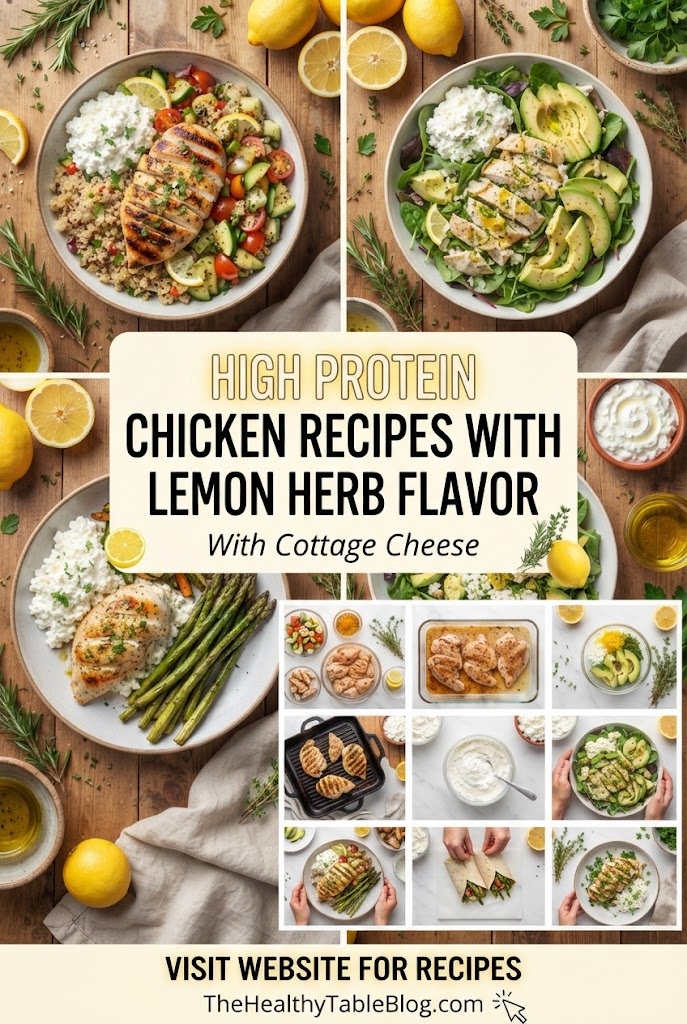
In the modern culinary landscape, the quest for the perfect balance between flavor and nutrition is never-ending. For fitness enthusiasts, bodybuilders, and health-conscious home cooks, protein is the undisputed king of macronutrients. However, the repetitive nature of chicken breast and broccoli can lead to “palate fatigue.” Enter the transformative combination of zesty lemon, aromatic herbs, and the secret weapon of modern healthy cooking: Cottage Cheese.
Cottage cheese has undergone a massive rebranding. Once relegated to the back of the fridge as a bland diet food, it is now celebrated for its incredible versatility, high casein protein content, and its ability to create creamy, decadent sauces without the caloric load of heavy cream or butter. When paired with the bright acidity of lemon and the earthy depth of fresh herbs, it turns a standard chicken dish into a gourmet, high-protein powerhouse.
This comprehensive guide explores the science, the ingredients, and the step-by-step techniques to mastering High-Protein Lemon Herb Chicken with Cottage Cheese.
The Nutritional Powerhouse: Why This Combination Works
Before diving into the recipes, it is essential to understand why these specific ingredients are a nutritional goldmine.
1. Lean Chicken Breast: The Protein Foundation
Chicken breast is the gold standard for lean protein. A 6-ounce serving provides approximately 52 grams of protein with minimal fat. It contains all nine essential amino acids, making it a complete protein source necessary for muscle repair and metabolic health.
2. Cottage Cheese: The Secret Creaminess
Cottage cheese is packed with casein protein, which digests slowly, keeping you full for longer. When blended, it mimics the texture of a rich Alfredo or Béchamel sauce. It also provides a significant dose of calcium and B vitamins.
3. Lemon and Herbs: The Flavor Catalysts
Lemon juice and zest provide vitamin C and citric acid, which acts as a natural tenderizer for meat. Herbs like rosemary, thyme, and oregano contain phytonutrients and antioxidants, adding “free flavor”—taste without added calories, sodium, or sugar.
Ingredient Details in Form Shape
To achieve the best results, you must select the right components. Below is a structured breakdown of the essential ingredients required for these recipes.
The Protein Components
| Ingredient | Form/Type | Purpose | Key Benefit |
|---|---|---|---|
| Chicken Breast | Boneless, Skinless | Primary Protein | Low fat, high leucine content for muscle growth. |
| Cottage Cheese | Small Curd (2% or 4%) | Sauce Base / Filling | High Casein protein; creates a creamy texture. |
| Greek Yogurt | Plain, Non-fat (Optional) | Tangy Complement | Adds probiotics and extra thickness to sauces. |
The Flavor Profile (The “Lemon-Herb” Core)
| Ingredient | Form | Usage | Note |
|---|---|---|---|
| Fresh Lemons | Zest and Juice | Marinade & Sauce | Use zest for aroma and juice for acidity/tenderizing. |
| Fresh Garlic | Minced or Crushed | Aromatics | Provides a savory “umami” backbone. |
| Rosemary | Fresh Sprigs | Infusion | Earthy, pine-like notes that pair perfectly with poultry. |
| Thyme | Fresh or Dried | Seasoning | Adds a subtle, minty, and lemony undertone. |
| Oregano | Dried | Mediterranean Flair | Provides a pungent, earthy heat. |
| Fresh Parsley | Chopped | Garnish | Adds a bright, grassy finish to the heavy protein. |
The Culinary Essentials
| Ingredient | Form | Purpose |
|---|---|---|
| Olive Oil | Extra Virgin | Searing and healthy fats. |
| Chicken Broth | Low Sodium | Deglazing the pan for the cottage cheese sauce. |
| Dijon Mustard | Creamy | Emulsifier for the marinade. |
| Black Pepper | Freshly Ground | Heat and flavor enhancement. |
| Sea Salt | Fine Grain | Flavor extraction. |
Master Recipe 1: Creamy Lemon Herb Blended Cottage Cheese Chicken
This is the flagship recipe where the cottage cheese is transformed into a silky, high-protein sauce that rivals any high-calorie cream sauce.
Ingredients List (Form Shape)
- Chicken: 2 Large Chicken Breasts (approx. 1 lb), sliced into cutlets.
- The Sauce Base: 1 Cup Low-fat Cottage Cheese.
- The Acid: Juice of 1 Large Lemon + 1 tsp Zest.
- The Aromatics: 3 Cloves Garlic (minced), 1 shallot (finely diced).
- The Herbs: 1 tbsp Fresh Thyme, 1 tsp Dried Oregano.
- Liquid: 1/4 Cup Chicken Broth.
- Fat: 1 tbsp Extra Virgin Olive Oil.
- Seasoning: Salt and Pepper to taste.
Step-by-Step Instructions
Step 1: Preparation and Brining
To ensure the chicken remains juicy, start by lightly salting the cutlets and letting them sit at room temperature for 15 minutes. This acts as a “dry brine,” drawing moisture into the muscle fibers. Pat the chicken completely dry with paper towels before cooking to ensure a golden-brown sear.
Step 2: The Cottage Cheese Transformation
This is the most critical step. Place 1 cup of cottage cheese into a high-speed blender or food processor. Add the lemon juice and a splash of water or chicken broth. Blend on high until the mixture is completely smooth and resembles heavy cream. There should be no visible curds. Set this aside.
Step 3: Searing the Chicken
Heat the olive oil in a large stainless steel or cast-iron skillet over medium-high heat. Once the oil shimmers, place the chicken cutlets in the pan. Sear for 4–5 minutes per side until a golden crust forms and the internal temperature reaches 165°F (74°C). Remove the chicken from the pan and set aside on a plate to rest.
Step 4: Building the Aromatic Base
In the same skillet (don’t wash it—those brown bits are flavor!), reduce heat to medium. Add the shallots and garlic. Sauté for 1–2 minutes until translucent and fragrant. Add the fresh thyme and dried oregano, allowing the heat to release the essential oils of the herbs.
Step 5: Deglazing
Pour the 1/4 cup of chicken broth into the pan. Use a wooden spoon to scrape the bottom of the pan (deglazing) to incorporate the caramelized chicken bits into the liquid. Let the liquid reduce by half.
Step 6: Simmering the Sauce
Turn the heat down to low. This is vital: cottage cheese can curdle if boiled. Pour the blended cottage cheese mixture into the skillet. Stir constantly as it warms through. Add the lemon zest and season with salt and black pepper.
Step 7: Final Assembly
Return the chicken cutlets (and any juices from the plate) back into the skillet. Spoon the creamy lemon herb sauce over the chicken. Let it simmer for just 1 minute to harmonize the flavors. Garnish with fresh parsley and extra lemon slices.
Master Recipe 2: Lemon Herb Cottage Cheese Stuffed Chicken Breasts
For a more elegant presentation and a “protein-inside-protein” punch, this recipe uses cottage cheese as a savory filling.
Ingredients List (Form Shape)
- Main Body: 2 Extra Thick Chicken Breasts.
- Stuffing: 1/2 Cup Small Curd Cottage Cheese (not blended), 1/4 Cup Chopped Spinach, 1 tbsp Parmesan Cheese.
- Flavoring: 1 tsp Lemon Zest, 1 tsp Minced Garlic, 1/2 tsp Crushed Red Pepper.
- Coating: 1 tsp Dried Thyme, 1 tsp Garlic Powder, Salt, and Pepper.
- Binding: Toothpicks or Kitchen Twine.
Step-by-Step Instructions
Step 1: Create the Pocket
Place the chicken breast flat on a cutting board. Using a sharp pairing knife, cut a slit into the thickest part of the breast to create a pocket. Be careful not to cut all the way through to the other side.
Step 2: Prepare the High-Protein Filling
In a small bowl, mix the cottage cheese, chopped spinach, lemon zest, minced garlic, parmesan, and red pepper flakes. Since we aren’t blending the cheese here, the curds will create a texture similar to ricotta once baked.
Step 3: Stuffing the Chicken
Spoon approximately 2–3 tablespoons of the mixture into each chicken breast pocket. Do not overstuff, as the cheese will expand slightly when heated. Secure the opening with 2–3 toothpicks.
Step 4: Seasoning the Exterior
Rub the outside of the chicken with a tiny bit of olive oil, then coat generously with the dried thyme, garlic powder, salt, and pepper. This ensures the flavor is layered both inside and out.
Step 5: Searing for Texture
Preheat your oven to 375°F (190°C). In an oven-safe skillet, sear the stuffed breasts for 3 minutes per side over medium-high heat. This locks in the juices and gives the skin a nice color.
Step 6: The Finish
Transfer the skillet directly into the oven. Bake for 15–20 minutes, or until the chicken is cooked through. Let the chicken rest for 5 minutes before removing the toothpicks and slicing. The result is a molten, creamy lemon-herb center that oozes out when cut.
Master Recipe 3: Lemon Herb Chicken Pasta with Cottage Cheese “Alfredo”
A high-protein take on a classic comfort food, perfect for post-workout recovery.
Ingredients List (Form Shape)
- Protein: 1 lb Chicken Breast, diced into 1-inch cubes.
- Carbohydrate Base: 8 oz Protein Pasta (Chickpea or Lentil based).
- The Sauce: 1.5 Cups Cottage Cheese (Blended), 1/2 Cup Pasta Water, 2 tbsp Lemon Juice.
- The Herb Mix: Fresh Basil (ribboned), Fresh Parsley, 2 tsp Dried Oregano.
- Vegetables: 1 Cup Frozen Peas or Asparagus tips.
Step-by-Step Instructions
Step 1: Pasta and Veggie Prep
Boil a large pot of salted water. Cook your protein pasta according to the package directions. In the last 2 minutes of boiling, add the peas or asparagus to the pot. Important: Reserve 1 cup of starchy pasta water before draining.
Step 2: Sauté the Chicken
While the pasta cooks, season the chicken cubes with salt, pepper, and oregano. Sauté in a large pan with a drizzle of olive oil until cooked through and slightly crispy on the edges. Remove and set aside.
Step 3: The Low-Heat Sauce Method
Wipe the pan and turn the heat to the lowest setting. Add the blended cottage cheese and lemon juice. Slowly whisk in the reserved pasta water, 1/4 cup at a time, until you reach a creamy, sauce-like consistency.
Step 4: Combining
Add the pasta, vegetables, and cooked chicken into the sauce. Toss gently to coat. The heat from the pasta will be enough to warm the sauce without curdling the cottage cheese.
Step 5: The Herb Finish
Fold in the fresh basil and parsley at the very end. The residual heat will wilt the herbs just enough to release their aroma without losing their vibrant green color. Serve with a squeeze of fresh lemon.
Deep Dive: The Science of Blending Cottage Cheese
To truly master these recipes, one must understand the culinary chemistry of cottage cheese. Many people are hesitant to cook with it because they fear the texture of the curds or worry it will separate.
Why Blending is Mandatory for Sauces
Cottage cheese is a “fresh cheese” consisting of curds (casein) and whey. When you blend it, you are mechanically breaking down the protein structure into a homogenous emulsion. This emulsion behaves similarly to heavy cream but with significantly more protein and less saturated fat.
Temperature Management
The biggest mistake home cooks make is boiling cottage cheese. Because it is high in protein and low in fat, extreme heat causes the proteins to tighten and squeeze out moisture, leading to a grainy, “split” sauce.
- The Golden Rule: Always add blended cottage cheese at the end of the cooking process over low or residual heat. Never let it reach a rolling boil.
Advanced Flavor Profiles: Choosing Your Herbs
The “Herb” part of “Lemon Herb” is where you can get creative. Depending on the herbs you choose, the dish can take on entirely different cultural identities.
1. The Mediterranean Profile
- Herbs: Oregano, Rosemary, Thyme.
- Vibe: Earthy, robust, and classic. This pairs best with roasted vegetables and olives.
2. The French Provençal Profile
- Herbs: Herbes de Provence (Lavender, Marjoram, Rosemary, Thyme).
- Vibe: Floral and sophisticated. Use a bit more lemon zest to highlight the floral notes.
3. The Bright Garden Profile
- Herbs: Dill, Chives, Parsley.
- Vibe: Fresh and light. This is perfect for the “Cottage Cheese Dressing” version of lemon herb chicken, served cold as a salad.
4. The Italian Zest
- Herbs: Basil, Garlic, Oregano.
- Vibe: Rich and savory. This profile benefits from an extra tablespoon of grated Parmesan cheese mixed into the cottage cheese sauce.
Meal Prep Mastery: Keeping Chicken Juicy
One of the main reasons people use this Lemon Herb Cottage Cheese recipe is for meal prep. However, chicken breast is notorious for drying out when reheated. Here is how to keep it perfect for 4–5 days.
1. The Under-Cook Technique
If you know you are going to reheat the chicken in a microwave, cook it to an internal temperature of 160°F instead of 165°F. When you reheat it, the secondary cooking process will bring it to the safe 165°F mark without turning it into rubber.
2. Sauce Separation
If meal prepping the Creamy Lemon Herb Chicken, store the sauce in a separate small container if possible. If not, ensure the chicken is completely submerged in the sauce. The sauce acts as an insulator, preventing the chicken fibers from losing moisture in the microwave.
3. Reheating Strategy
Avoid high power on the microwave. Reheat at 50% power for a longer duration. This prevents the cottage cheese sauce from “popping” and separating, and keeps the chicken tender.
The Ultimate High-Protein Side Dishes
To complement the Lemon Herb Chicken with Cottage Cheese, your sides should either provide a textural contrast or a clean flavor to cut through the creaminess.
1. Garlic Roasted Broccolini
The bitterness of the broccolini and the crunch of the roasted florets provide a perfect counterpoint to the creamy sauce.
- Method: Toss in olive oil, salt, and garlic. Roast at 400°F for 12 minutes.
2. Lemon-Infused Quinoa
Quinoa adds even more protein (8g per cup) and absorbs the lemon herb sauce beautifully.
- Pro-Tip: Cook the quinoa in chicken broth instead of water for extra depth.
3. Smashed Lemon Potatoes
Crispy on the outside and fluffy on the inside.
- Method: Boil baby gold potatoes, smash them flat, drizzle with lemon juice and olive oil, and roast until crispy.
Troubleshooting Common Issues
“My sauce is grainy.”
- Cause: The heat was too high, or the cottage cheese wasn’t blended enough.
- Fix: Next time, ensure you blend for at least 60 seconds. If it happens during cooking, try adding a tablespoon of warm water and whisking vigorously off the heat.
“The lemon flavor is too overpowering.”
- Cause: Too much juice and not enough zest, or the lemon was too large.
- Fix: Balance the acidity with a tiny pinch of honey or maple syrup. A small amount of sweetness neutralizes the sharp acidic bite without making the dish “sweet.”
“The chicken is bland inside.”
- Cause: Lack of seasoning before cooking.
- Fix: Increase the “dry brine” time. Salt needs time to penetrate the thickest part of the breast.
Variations for Specific Dietary Needs
1. Keto / Low-Carb
This recipe is naturally low-carb. To keep it strictly Keto, use full-fat cottage cheese (4%) to increase the healthy fat content and serve over sautéed spinach or zucchini noodles instead of pasta or quinoa.
2. Dairy-Free (The Alternative)
If you love the flavor profile but can’t do dairy, replace the cottage cheese with a blend of soaked cashews, lemon juice, and nutritional yeast. It provides a similar creamy texture and high-protein profile.
3. Maximum Volume (Low Calorie)
If you are in a “cutting” phase and want a massive portion for few calories, mix the blended cottage cheese with a bit of “Xanthan gum” to thicken it further, allowing you to use more chicken broth and less cheese while maintaining a thick sauce.
The Role of Lemon Zest vs. Lemon Juice
In these recipes, the lemon serves two distinct purposes. It is important not to confuse them.
- The Juice (The Acid): The juice contains citric acid. Its primary job is to break down the tough proteins in the chicken, making it tender. It also provides the “sour” taste that cuts through the fat of the cottage cheese.
- The Zest (The Aroma): The yellow skin of the lemon contains essential oils. This is where the “lemon smell” and the bright, floral flavor live. If you only use juice, your dish will be sour but won’t “taste like lemon.” Always use both for a multi-dimensional flavor.
Choosing the Best Cottage Cheese
Not all cottage cheeses are created equal. For cooking and blending:
- Avoid “No Fat”: 0% fat cottage cheese often contains thickeners and gums that can behave strangely when heated. 2% (Low Fat) or 4% (Full Fat) are the best for creamy sauces.
- Check Sodium: Some brands are very high in salt. If using a high-sodium brand, reduce the added salt in your chicken seasoning.
- Cultured/Probiotic: Some brands offer live active cultures. While the heat of cooking will kill most of these, they are great if you are making a cold lemon herb chicken salad.
Step-by-Step Summary for Success
- Prep: Blend your cottage cheese until it looks like silk.
- Season: Salt the chicken early; don’t be afraid of fresh herbs.
- Sear: Get the pan hot. A grey chicken is a sad chicken. You want a golden crust.
- Deglaze: Use broth to pick up the flavor from the pan.
- Cool: Lower the heat before the cheese hits the pan.
- Garnish: Fresh lemon and herbs at the end make the dish look and taste “restaurant quality.”
Conclusion: The New Standard for Fitness Meals
The High-Protein Lemon Herb Chicken with Cottage Cheese is more than just a recipe; it’s a blueprint for intelligent cooking. It proves that you don’t have to sacrifice the creamy, comforting textures of high-calorie sauces to meet your protein goals. By leveraging the chemistry of cottage cheese and the vibrant profile of Mediterranean aromatics, you can create a meal that is as satisfying to the soul as it is beneficial to the body.
Whether you are stuffing a chicken breast for a Sunday dinner or blending a sauce for a quick Wednesday night meal prep, this combination remains a versatile, delicious, and incredibly healthy staple. Master the blend, control the heat, and enjoy the zest. Your muscles—and your taste buds—will thank you.