
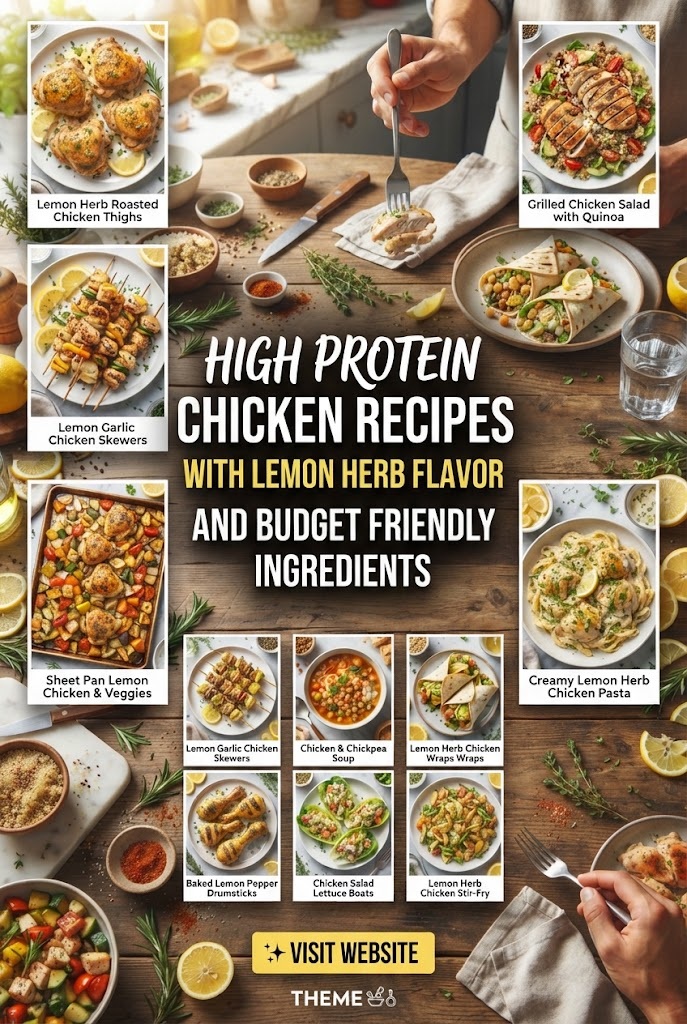
The quest for a healthy, high-protein diet often feels like a battle between your fitness goals and your bank account. We are frequently told that “eating clean” requires expensive organic cuts of meat, exotic superfoods, and artisanal flavorings. However, the truth is far more accessible. The most powerful tool in a fitness-focused kitchen isn’t a high-priced supplement—it is the humble chicken, elevated by the bright, acidic punch of lemon and the earthy depth of garden herbs.
This guide is designed to provide you with a comprehensive roadmap for creating high-protein, lemon-herb-infused masterpieces without breaking the bank. We will explore the science of why this flavor profile works, the nutritional benefits of our chosen ingredients, and five distinct, step-by-step recipes that utilize “form-shape” ingredient breakdowns to ensure you have everything you need at a glance.
Why Lemon and Herb? The Science of Flavor and Health
Before we dive into the pots and pans, it is essential to understand why lemon and herb is the gold standard for high-protein cooking, especially on a budget.
- The Acid Factor: Lemon juice contains citric acid, which acts as a natural tenderizer. Cheap cuts of chicken, such as drumsticks or large bags of frozen breasts, can sometimes be tough. The acid breaks down muscle fibers, ensuring a juicy result every time.
- Flavor Without Fat: Many budget recipes rely on heavy creams, butters, or sugars to provide taste. Lemon and herbs provide “high-impact” flavor with almost zero calories. This keeps the protein-to-calorie ratio exceptionally high.
- Micronutrient Synergy: Lemons are packed with Vitamin C, which aids in the absorption of iron found in poultry. Herbs like rosemary, thyme, and oregano are dense with antioxidants that reduce inflammation—crucial for recovery after a high-intensity workout.
The Budget Blueprint: Ingredient Details in Form Shape
To keep your grocery bill low, we focus on staples that can be bought in bulk. Use the following table as your master shopping list. These ingredients are the backbone of every recipe in this guide.
Master Ingredient Table (Budget Focus)
| Ingredient Category | Item | Budget Strategy | Nutritional Benefit |
|---|---|---|---|
| Primary Protein | Chicken Thighs/Breasts | Buy 5lb family packs or frozen bulk bags. | High leucine for muscle synthesis. |
| Acid / Citrus | Fresh Lemons | Buy in net bags rather than individually. | Vitamin C and pH balancing. |
| Dried Herbs | Oregano, Thyme, Rosemary | Buy store-brand “Value” jars or bulk bins. | Polyphenols and anti-inflammatories. |
| Fresh Herbs | Parsley or Cilantro | Buy whole bunches (not pre-packaged plastic). | Chlorophyll and kidney support. |
| Healthy Fats | Extra Virgin Olive Oil | Buy large tins (1L+) for better price-per-ounce. | Heart-healthy monounsaturated fats. |
| Alliums | Fresh Garlic & Onions | Buy 3lb bags; they last weeks in a cool place. | Allicin for immune support. |
| Carb Base | Brown Rice or Lentils | Buy dry in 5lb bags; cheapest carb per gram. | Slow-digesting fiber and complex carbs. |
| Vegetable Fillers | Zucchini, Carrots, Cabbage | Buy seasonal or “ugly” produce sections. | High volume, low calorie “satiety” fillers. |
Recipe 1: The “Weekly Workhorse” Lemon Herb Roasted Chicken & Root Veggies
This recipe is designed for the person who wants to cook once and eat for three days. It uses bone-in, skin-on thighs, which are significantly cheaper than boneless breasts and offer more flavor.
Ingredient Details (Form Shape)
- Protein: 2 lbs Chicken Thighs (Bone-in)
- Citrus: 2 Large Lemons (1 sliced, 1 juiced)
- Herbs: 2 tbsp Dried Oregano, 1 bunch Fresh Parsley
- Aromatics: 6 cloves Garlic (smashed)
- Vegetables: 3 large Carrots, 2 large Potatoes (cubed)
- Pantry Staples: 2 tbsp Olive Oil, Salt, Black Pepper
Step-by-Step Instructions
- Preheat and Prep: Set your oven to 425°F (220°C). High heat is essential for rendering the chicken fat and getting a crispy skin without drying out the meat.
- The Herb Rub: In a small bowl, mix the olive oil, dried oregano, juice of one lemon, 4 minced garlic cloves, salt, and heavy black pepper. This creates a “slurry” that sticks to the meat.
- Vegetable Bed: On a large sheet pan, toss your cubed potatoes and sliced carrots with a drizzle of oil and salt. Spread them out to form a “bed” for the chicken.
- The Chicken Placement: Pat the chicken thighs dry with a paper towel (moisture is the enemy of crispiness). Rub the herb slurry under and over the skin. Place the chicken on top of the vegetables.
- Lemon Infusion: Tuck the lemon slices and the smashed garlic cloves between the chicken pieces.
- Roast: Place in the oven for 35–40 minutes. The chicken is done when the internal temperature hits 165°F (74°C).
- The Finish: Let the meat rest for 5 minutes. Garnish with a handful of chopped fresh parsley to add a burst of freshness that cuts through the roasted fats.
Recipe 2: Zesty Lemon Herb Ground Chicken & Cabbage Stir-Fry
Ground chicken is an underrated budget hero. It is often cheaper than whole cuts and cooks in less than 10 minutes, making it perfect for busy weeknights.
Ingredient Details (Form Shape)
- Protein: 1 lb Ground Chicken
- Citrus: 1 Lemon (zest and juice)
- Herbs: 1 tbsp Dried Thyme, 1 tsp Red Pepper Flakes
- Aromatics: 1 Yellow Onion (diced), 3 cloves Garlic (minced)
- Vegetables: 1/2 head of Green Cabbage (shredded), 1 Bell Pepper
- Pantry Staples: 1 tbsp Soy Sauce (for umami), 1 tbsp Oil
Step-by-Step Instructions
- Sauté Aromatics: In a large skillet or wok, heat oil over medium-high heat. Add the diced onion and cook until translucent (about 3 minutes).
- Brown the Protein: Add the ground chicken to the pan. Use a wooden spoon to break it into small crumbles. Season immediately with dried thyme, salt, and pepper.
- The “High Volume” Filler: Once the chicken is no longer pink, add the shredded cabbage and bell pepper. Cabbage is the ultimate budget vegetable—it doubles in volume but costs pennies.
- Flavor Layering: Add the minced garlic and red pepper flakes. Sauté for another 4 minutes until the cabbage has wilted but still has a slight crunch.
- The Lemon Brightener: Turn off the heat. Add the lemon zest, lemon juice, and the tablespoon of soy sauce. The soy sauce adds “umami,” which makes the lemon-herb profile taste “meatier.”
- Serving: Serve this over a small portion of brown rice or eat it as is for a low-carb, high-protein meal.
Recipe 3: Slow-Cooker Lemon Herb “Meal Prep King” Shredded Chicken
If you have a slow cooker or Crockpot, this is the most efficient way to prep protein for the entire week. You can use this chicken in salads, wraps, or bowls.
Ingredient Details (Form Shape)
- Protein: 3 lbs Chicken Breasts (frozen or fresh)
- Citrus: 3 Lemons (juiced)
- Herbs: 3 tbsp Dried Rosemary, 2 Dried Bay Leaves
- Aromatics: 1 cup Chicken Broth (or water with a bouillon cube)
- Vegetables: 1 Onion (halved)
- Pantry Staples: 1 tbsp Black Peppercorns, 1 tsp Sea Salt
Step-by-Step Instructions
- The Base: Place the halved onions at the bottom of the slow cooker. This creates a platform for the chicken so it doesn’t “stew” in its own fats, keeping the texture better for shredding.
- Seasoning: Place the chicken breasts on top of the onions. Rub the dried rosemary and salt directly into the meat.
- Liquid Gold: Pour the lemon juice and chicken broth around the sides of the chicken. Drop in the bay leaves and peppercorns.
- Low and Slow: Cover and cook on “Low” for 6 hours (or “High” for 3 hours). Avoid opening the lid, as this releases the steam necessary to keep the breast meat moist.
- The Shred: Once cooked, remove the chicken to a large bowl. Use two forks to shred the meat.
- Moisture Retention: Pour half a cup of the cooking liquid (strained) back over the shredded chicken. This ensures that even after three days in the fridge, the meat remains succulent.
- Usage: This makes approximately 8–10 servings. Portion them into containers immediately for the week ahead.
Recipe 4: Pan-Seared Lemon Herb Chicken “Steaks” with Garlic Lentils
This recipe focuses on “Chicken Steaks” (thinly sliced or pounded breasts), which cook quickly and evenly. We pair it with lentils, a budget-friendly protein powerhouse.
Ingredient Details (Form Shape)
- Protein: 1.5 lbs Chicken Breast (sliced into thin cutlets)
- Citrus: 1 Lemon (sliced into thin rounds)
- Herbs: 2 tbsp Dried Italian Seasoning (Oregano, Basil, Thyme mix)
- Aromatics: 4 cloves Garlic (minced)
- Legumes: 1 cup Dry Green Lentils
- Pantry Staples: 2 cups Water, 1 tbsp Butter (optional for richness), 1 tbsp Oil
Step-by-Step Instructions
- Lentil Prep: Start the lentils first. Rinse 1 cup of lentils and simmer in 2 cups of salted water for about 20-25 minutes until tender. Drain and set aside.
- Pound the Chicken: Place chicken cutlets between two pieces of plastic wrap. Use a heavy pan or mallet to pound them to an even thickness (about 1/2 inch). This is the secret to tender chicken breast.
- The Dry Rub: Rub the Italian seasoning and salt on both sides of the chicken.
- The Sear: Heat oil in a heavy skillet over medium-high heat. Place chicken in the pan. Do not crowd the pan; cook in batches if necessary. Sear for 3-4 minutes per side until golden brown.
- The Pan Sauce: Lower the heat. Add the lemon slices and minced garlic to the pan. Add a splash of water or broth. Scrape the bottom of the pan to release the “fond” (the brown bits).
- Combine: Toss the cooked lentils into the pan with the chicken and lemon sauce. Let everything simmer for 2 minutes so the lentils soak up the lemon-herb juices.
- Plate: Serve the chicken “steak” over a generous bed of the garlicky lentils.
Recipe 5: Mediterranean Lemon Herb Chicken Soup (The Ultimate Budget Healer)
When you are at the end of the week and have scraps of vegetables and chicken left, this soup is the answer. It is incredibly high in protein and very hydrating.
Ingredient Details (Form Shape)
- Protein: 1 lb Chicken Breast or Thighs (cubed small)
- Citrus: 2 Lemons (juiced)
- Herbs: 1 tbsp Dried Dill, 1 tbsp Dried Thyme
- Aromatics: 2 Carrots (diced), 2 Celery stalks (diced), 1 Onion (diced)
- Grains: 1/2 cup Orzo or White Rice
- Pantry Staples: 6 cups Water + 2 Bouillon cubes, 2 Eggs (for the “Avgolemono” style thickness)
Step-by-Step Instructions
- The Mirepoix: In a large pot, sauté the onion, carrots, and celery in a little oil until soft.
- Boil the Base: Add the 6 cups of water and bouillon cubes. Bring to a boil.
- Poach the Chicken: Add the cubed chicken and the rice/orzo to the boiling broth. Reduce heat to a simmer. Cook for about 12–15 minutes until the rice is tender and chicken is cooked through.
- The Herb Infusion: Stir in the dried dill and thyme.
- The Creamy Trick (Avgolemono Style): In a separate bowl, whisk 2 eggs with the juice of 2 lemons until frothy. Slowly add a ladle of the hot soup broth into the egg mixture while whisking constantly (this “tempers” the eggs so they don’t scramble).
- Final Thicken: Pour the egg/lemon mixture back into the main pot. Stir over low heat for 1-2 minutes. The soup will become creamy and opaque without using any expensive cream.
- Season: Add plenty of salt and cracked black pepper to taste.
Maximizing the “High Protein” Aspect
While chicken is the star, the way you prepare it and what you pair it with can significantly boost the protein content of these lemon-herb dishes.
Pairings for Extra Protein
- Greek Yogurt Sauce: Instead of mayonnaise or fatty dressings, mix 1/2 cup of plain Greek yogurt with lemon zest and dried dill. This adds 10-12g of protein to your meal for minimal cost.
- Nutritional Yeast: Sprinkle nutritional yeast over your lemon herb chicken. It provides a cheesy flavor and a complete protein boost.
- Egg Whites: In stir-fries (like Recipe 2), you can fold in 1/2 cup of liquid egg whites at the very end. They disappear into the dish but add 15g of pure protein.
Advanced Budget Tips for Chicken Preparation
To truly master the “Budget Friendly” aspect of this guide, you must become a savvy shopper and a meticulous prepper.
1. The “Whole Bird” Philosophy
Buying a whole chicken is almost always cheaper per pound than buying individual breasts or thighs. You can roast the whole bird with lemon and herbs, eat the meat for several meals, and then boil the bones with onion scraps to make your own high-protein bone broth for Recipe 5.
2. Frozen vs. Fresh
There is a common myth that frozen chicken is less nutritious. In reality, chicken is often flash-frozen at its peak freshness. Buying a 5lb or 10lb bag of frozen chicken breasts can save you up to 40% compared to the fresh meat counter. To ensure the lemon-herb flavor penetrates frozen meat, thaw it overnight in the fridge inside a bag with the lemon juice and dried herbs.
3. The Power of Dried Herbs
Fresh herbs are beautiful but expensive and spoil quickly. For budget cooking, rely on dried herbs for the cooking process and use fresh herbs (like parsley) only as a garnish. Pro-Tip: Rub dried herbs between your palms before adding them to the pot. This friction releases the dormant oils and intensifies the flavor.
4. Bulk Alliums
Garlic and onions are the foundation of flavor. Never buy the pre-minced garlic in jars; it lacks the sulfuric punch of fresh garlic and is more expensive by volume. Buy the large mesh bags of garlic bulbs. They stay fresh for months if kept in a dark, dry pantry.
Nutritional Breakdown and Expectations
When following these recipes, you can expect a very favorable macro-nutrient profile. On average, a serving of these lemon herb chicken recipes will provide:
- Protein: 35g – 45g
- Carbohydrates: 20g – 30g (depending on the use of rice/lentils)
- Fats: 8g – 12g
- Calories: 350 – 500 kcal
This makes these recipes ideal for “cutting” (losing fat while maintaining muscle) or “lean bulking” (gaining muscle without excessive fat gain).
Storage and Reheating: Keeping the Zest Alive
One of the biggest complaints about meal-prepped chicken is that it becomes “rubbery” or “smelly” (often called Warmed-Over Flavor or WOF) after a day in the fridge. Here is how to prevent that:
- Airtight is Key: Use glass containers with locking lids. Plastic can leach odors and doesn’t seal as tightly, leading to faster oxidation of the chicken fats.
- The Lemon Spritz: Before reheating, add a teaspoon of water and a fresh squeeze of lemon over the chicken. This creates steam in the microwave, which re-hydrates the meat.
- Don’t Over-Microwave: Reheat at 70% power for a longer duration rather than 100% power for a short burst. This prevents the proteins from tightening up and becoming rubbery.
- Freezing: All these recipes (except the soup with eggs) freeze exceptionally well for up to 3 months. Label them clearly with the date.
Customizing the Flavor Profile
While “Lemon Herb” is our base, you can adjust the “Herb” part of the equation to prevent palate fatigue while using the same budget ingredients.
- The “Italian” Variation: Focus on Oregano and Basil. Add a splash of balsamic vinegar (very cheap in bulk).
- The “French” Variation: Focus on Thyme and Rosemary. Add a teaspoon of Dijon mustard to your lemon juice.
- The “Greek” Variation: Use heavy Oregano and Lemon. Serve with a side of cheap cucumbers and red onions.
- The “Bright & Spicy” Variation: Add lemon zest and a generous amount of crushed red pepper flakes and dried cilantro.
Final Thoughts on Budget-Friendly Fitness Cooking
Achieving a high-protein diet does not require a luxury budget. It requires a strategy. By focusing on the “form-shape” of your ingredients—understanding what each component does and how to buy it efficiently—you transform the kitchen from a place of stress into a tool for your physical transformation.
The lemon-herb flavor profile is more than just a culinary choice; it is a functional one. It provides the acidity needed to tenderize affordable meat, the aromatics needed to satisfy the senses without added sugars, and the micronutrients needed to fuel a hard-working body.
Start with Recipe 1 this Sunday. Take the leftovers to work. Feel the difference in your energy levels and your bank balance. High-protein cooking is no longer a luxury—it is your new standard.