
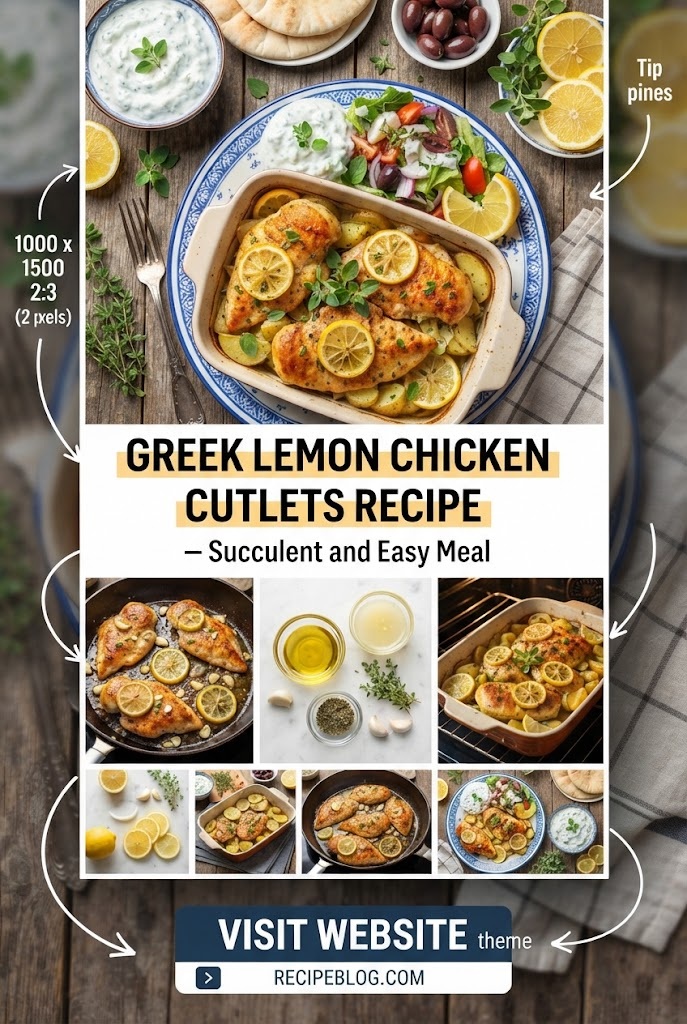
There is a specific kind of culinary magic that happens when high-quality olive oil, fresh citrus, and aromatic herbs meet a hot skillet. In the world of Mediterranean cuisine, few dishes capture this synergy as perfectly as Greek Lemon Chicken Cutlets. This isn’t just another chicken recipe; it is a masterclass in balance—where the bright acidity of sun-ripened lemons cuts through the richness of the oil, and the earthy fragrance of dried oregano transports your senses to a seaside taverna in Mykonos.
Whether you are a seasoned home cook looking to perfect your weeknight rotation or a beginner searching for a foolproof, impressive meal, Greek Lemon Chicken Cutlets offer the ultimate solution. They are succulent, fast-cooking, and packed with a nutritional profile that aligns with the world-renowned health benefits of the Mediterranean diet.
The Allure of the Chicken Cutlet: Why Thin is In
Before we dive into the aromatics and the technique, we must discuss the star of the show: the cutlet. In American kitchens, we often default to thick, whole chicken breasts. While flavorful, these are notoriously difficult to cook evenly—the tapered ends dry out before the thick center reaches a safe temperature.
Greek Lemon Chicken Cutlets solve this problem through preparation. By slicing the breast horizontally into thin layers (or pounding them to a uniform thickness), you achieve several culinary goals:
- Increased Surface Area: More surface area means more room for the marinade to penetrate and more space for that golden-brown Maillard reaction to occur.
- Rapid Cooking: Cutlets cook in minutes, making this an ideal 30-minute meal.
- Tenderness: The process of pounding or slicing breaks down tough muscle fibers, ensuring every bite is fork-tender.
The Anatomy of Flavor: Sourcing Your Ingredients
To achieve restaurant-quality results at home, the quality of your ingredients is non-negotiable. Because the ingredient list for Greek Lemon Chicken is relatively short, each component must pull its weight.
1. The Chicken
Look for air-cooled chicken if possible. Air-cooled poultry isn’t submerged in water during processing, meaning the meat retains its natural juices and won’t release excess moisture in the pan. This is crucial for getting a hard sear rather than “steaming” your chicken.
2. The Olive Oil
In Greek cooking, olive oil is more than a cooking medium; it is a primary flavoring agent. Use a high-quality Extra Virgin Olive Oil (EVOO). Look for oils that are “cold-pressed” and have a harvest date within the last year. A robust, peppery Greek olive oil from regions like Kalamata or Crete will add a sophisticated depth to the cutlets.
3. The Lemons
Always use fresh lemons. Bottled lemon juice often contains preservatives that lend a metallic or artificial aftertaste. For this recipe, you will need both the zest (which contains the essential oils and intense aroma) and the juice (which provides the bright acidity).
4. The Herbs: The Importance of Greek Oregano
Not all oregano is created equal. Mexican oregano is citrusy and better for salsas, but for this dish, you need Mediterranean (Greek) Oregano. It has a savory, slightly bitter, and woody flavor profile. If you can find “oregano on the branch,” simply rub it between your palms to release the oils.
5. Garlic
Fresh cloves are a must. Avoid the pre-minced jars, as the garlic loses its pungency and sweetness over time. We recommend grating the garlic into a paste so it distributes evenly across the meat.
The Recipe: Succulent Greek Lemon Chicken Cutlets
Ingredients
For the Chicken:
- 1.5 lbs Boneless, skinless chicken breasts (sliced into 1/2-inch thick cutlets)
- 1/2 cup Extra virgin olive oil
- 3 large Lemons (2 for juicing/zesting, 1 for slicing into rounds)
- 4-6 cloves Garlic, minced or grated
- 2 tbsp Dried Greek oregano
- 1 tsp Dried thyme (optional)
- 1 tsp Kosher salt (plus more to taste)
- 1/2 tsp Freshly cracked black pepper
- 1/4 tsp Red pepper flakes (for a subtle heat)
- 1/2 cup Dry white wine (Assyrtiko, Pinot Grigio, or Sauvignon Blanc) OR chicken bone broth
For the Garnish:
- Fresh parsley, chopped
- Feta cheese, crumbled
- Kalamata olives
Instructions
Step 1: Prepare the Cutlets
If your chicken breasts are large, place them on a cutting board and, with your hand flat on top, carefully slice them in half horizontally to create two thin fillets. Place the fillets between two sheets of plastic wrap or parchment paper. Using a meat mallet or a heavy skillet, gently pound the chicken until it is a uniform 1/2-inch thickness. This ensures even cooking.
Step 2: The Greek Marinade
In a large glass bowl or a gallon-sized resealable bag, whisk together the olive oil, lemon zest, lemon juice, minced garlic, oregano, thyme, salt, pepper, and red pepper flakes.
Add the chicken cutlets to the marinade, ensuring every piece is thoroughly coated. Let the chicken marinate for at least 30 minutes. If you have the time, 2 to 4 hours in the refrigerator will yield a deeper flavor. Note: Do not exceed 6 hours, as the acid in the lemon juice will begin to “cook” the protein and can make the texture mushy.
Step 3: The Sear
Heat a large stainless steel or cast-iron skillet over medium-high heat. Add a tablespoon of olive oil. Once the oil is shimmering (but not smoking), remove the chicken from the marinade, shaking off the excess.
Place the cutlets in the pan. Do not overcrowd; work in batches if necessary. Sear the chicken for 3–4 minutes per side until a deep golden-brown crust forms and the internal temperature reaches 165°F (74°C). Remove the chicken to a warm plate and tent loosely with foil.
Step 4: The Pan Sauce (The Secret Step)
With the pan still on the heat, add the lemon slices and the white wine (or broth). Use a wooden spoon to scrape up all the browned bits (the fond) from the bottom of the pan. This is where the concentrated flavor lives.
Let the liquid reduce by half (about 3 minutes). Stir in any remaining juices from the plate where the chicken is resting.
Step 5: Finishing and Serving
Place the chicken cutlets back into the pan for 30 seconds to coat them in the silky lemon sauce. Turn off the heat. Garnish generously with fresh parsley, a sprinkle of feta cheese, and olives.
Mastering the Technique: Pro Tips for Success
To elevate this dish from a “good home meal” to “professional chef quality,” keep these tips in mind:
The Importance of Room Temperature
Never throw ice-cold chicken into a hot pan. The temperature shock causes the muscle fibers to seize up, resulting in tough meat. Let your marinated chicken sit on the counter for 15–20 minutes before cooking to take the chill off.
Achieving the Perfect Sear
If your chicken isn’t browning, your pan isn’t hot enough, or you’ve crowded the pan. When too many cold pieces of meat are added at once, the temperature of the skillet drops, and the chicken begins to release moisture and steam. For a crispy exterior, give each cutlet plenty of “elbow room.”
Deglazing is Essential
Don’t skip the wine or broth step. The acidity of the wine combined with the caramelized chicken bits creates a sophisticated sauce that ties the whole dish together. If you prefer not to use alcohol, a high-quality chicken bone broth provides a rich, savory alternative.
Nutritional Benefits: A Heart-Healthy Powerhouse
The Greek Lemon Chicken Cutlets recipe isn’t just delicious; it’s a nutritional powerhouse. Following the principles of the Mediterranean diet—frequently cited by health experts as one of the healthiest eating patterns in the world—this meal offers:
- Lean Protein: Chicken breast is an excellent source of high-quality protein, essential for muscle repair and satiety.
- Healthy Fats: Monounsaturated fats from olive oil support heart health and help reduce inflammation.
- Antioxidants: Garlic and oregano contain potent compounds like allicin and carvacrol, which have antimicrobial and immune-boosting properties.
- Vitamin C: Fresh lemon juice provides a significant boost of Vitamin C, which aids in iron absorption and skin health.
Variations to Suit Your Lifestyle
While the classic recipe is hard to beat, you can adapt these Greek Lemon Chicken Cutlets to fit various dietary needs and kitchen equipment.
1. The Air Fryer Version
For an even faster, “set-it-and-forget-it” method:
- Preheat your air fryer to 375°F (190°C).
- Place the marinated cutlets in a single layer in the air fryer basket.
- Cook for 8–10 minutes, flipping halfway through.
- The air fryer provides a beautiful “roasted” texture with even less oil.
2. Gluten-Free Breaded Option
If you prefer a bit of crunch, you can dredge the marinated cutlets in a mixture of almond flour and grated parmesan cheese before frying. This creates a “schnitzel-style” Greek chicken that remains entirely gluten-free and keto-friendly.
3. Sheet Pan Meal
If you’re cooking for a crowd, place the chicken cutlets on a large sheet pan. Surround them with halved cherry tomatoes, sliced zucchini, and bell peppers. Drizzle everything with the marinade and bake at 400°F (200°C) for 15–20 minutes. The juices from the chicken will roast the vegetables perfectly.
What to Serve with Greek Lemon Chicken
A great entrée deserves world-class side dishes. To create a cohesive Mediterranean spread, consider these traditional pairings:
1. Lemonato Potatoes (Greek Roasted Potatoes)
These are the gold standard of Greek sides. Potatoes are wedged and roasted in a bath of lemon juice, chicken broth, olive oil, and plenty of garlic until the bottoms are crispy and the insides are creamy and infused with citrus.
2. Horiatiki (Traditional Greek Salad)
Forget the iceberg lettuce. A true Greek salad consists of vine-ripened tomatoes, crisp cucumbers, red onions, green bell peppers, Kalamata olives, and a large slab of sheep’s milk feta. Dress it simply with olive oil and vinegar.
3. Tzatziki Sauce
A cool, creamy cucumber-yogurt dip is the perfect foil for the warm, zesty chicken. The contrast of the cold yogurt and the garlic-lemon chicken is a hallmark of Greek gastronomy.
4. Orzo or Rice Pilaf
For a starch that soaks up every drop of the lemon pan sauce, serve the cutlets over a bed of buttery orzo tossed with fresh dill or a simple rice pilaf cooked in vegetable stock.
Wine Pairing: The Perfect Pour
When pairing wine with Greek Lemon Chicken, you want to match the high acidity of the dish.
- Assyrtiko: This is the premier white grape of Greece, specifically from Santorini. It is bone-dry, high in acidity, and often has a salty, mineral finish that mimics the Mediterranean breeze. It is the perfect partner for lemon-heavy poultry.
- Sauvignon Blanc: If you can’t find a Greek wine, a New Zealand or French Sauvignon Blanc offers the citrusy notes and crispness needed to stand up to the garlic and oregano.
- Dry Rosé: A pale, Provencal-style rosé provides a fruity yet dry contrast that works beautifully for an outdoor summer dinner.
Meal Prep and Storage Instructions
This recipe is a meal-prepper’s dream. Because cutlets stay tender, they reheat much better than whole chicken breasts.
- In the Refrigerator: Store cooked cutlets in an airtight container for up to 4 days.
- In the Freezer: You can freeze the chicken in the marinade (raw). When you’re ready to eat, defrost in the fridge overnight. The chicken will marinate as it thaws, resulting in incredible flavor. Cooked cutlets can also be frozen for up to 3 months.
- Reheating Tip: To prevent the chicken from becoming rubbery, avoid the microwave if possible. Instead, place the cutlets in a skillet with a splash of water or broth, cover with a lid, and heat over low power until warmed through.
Troubleshooting Common Issues
Why is my chicken dry?
You likely overcooked it. Because cutlets are thin, they cook very quickly. Start checking the internal temperature at the 3-minute mark per side. Also, ensure you aren’t skipping the marinade; the salt in the marinade acts as a “dry brine,” helping the cells of the meat retain moisture.
Why is the garlic burning?
If you see the garlic turning dark brown or black in the pan, your heat is too high. Burnt garlic becomes bitter and can ruin the sauce. If the pan gets too hot, add a splash of wine or water immediately to lower the temperature and scrape the bits loose.
The sauce is too thin.
If your pan sauce looks watery, let it boil for another minute or two to reduce. Alternatively, you can whisk in a teaspoon of cold butter at the very end (a technique called monter au beurre). This will emulsify the sauce, giving it a glossy, thickened texture.
The Cultural Heritage of Greek Lemon Chicken
In Greece, this flavor profile is often referred to as Lemonato. It is a fundamental pillar of the cuisine, representing the simplicity and freshness of Mediterranean life. Historically, lemons were introduced to the Mediterranean region centuries ago and flourished in the rocky, sun-drenched soil of the Greek islands.
Chicken, being a versatile and accessible protein, became the canvas for these local ingredients. Whether served at a Sunday family gathering or a village festival, the combination of lemon and oregano is the “soul” of the Greek kitchen. By making this recipe, you aren’t just cooking dinner; you are participating in a culinary tradition that has spanned generations.
Final Thoughts: A Staple for Every Kitchen
The Greek Lemon Chicken Cutlet is a rare dish that balances elegance with ease. It is sophisticated enough for a dinner party but simple enough for a frantic Tuesday night. By focusing on the quality of your olive oil, the freshness of your lemons, and the proper technique of searing thin cutlets, you unlock a world of flavor that is as healthy as it is delicious.
Bring the flavors of the Aegean sea to your dining room table tonight. With a crust of golden oregano, a splash of bright lemon, and a heart-healthy profile, this recipe is destined to become a permanent fixture in your culinary repertoire. Grab your skillet, zest your lemons, and get ready for a meal that truly sings.
Summary Checklist for Perfect Greek Lemon Chicken:
- Slice and pound chicken to 1/2-inch thickness.
- Marinate for at least 30 minutes (but not more than 6 hours).
- Use fresh lemon zest and juice—never bottled.
- Don’t crowd the pan to ensure a golden-brown sear.
- Deglaze the pan with wine or broth to capture every bit of flavor.
- Garnish fresh with parsley and feta for the authentic Mediterranean finish.