
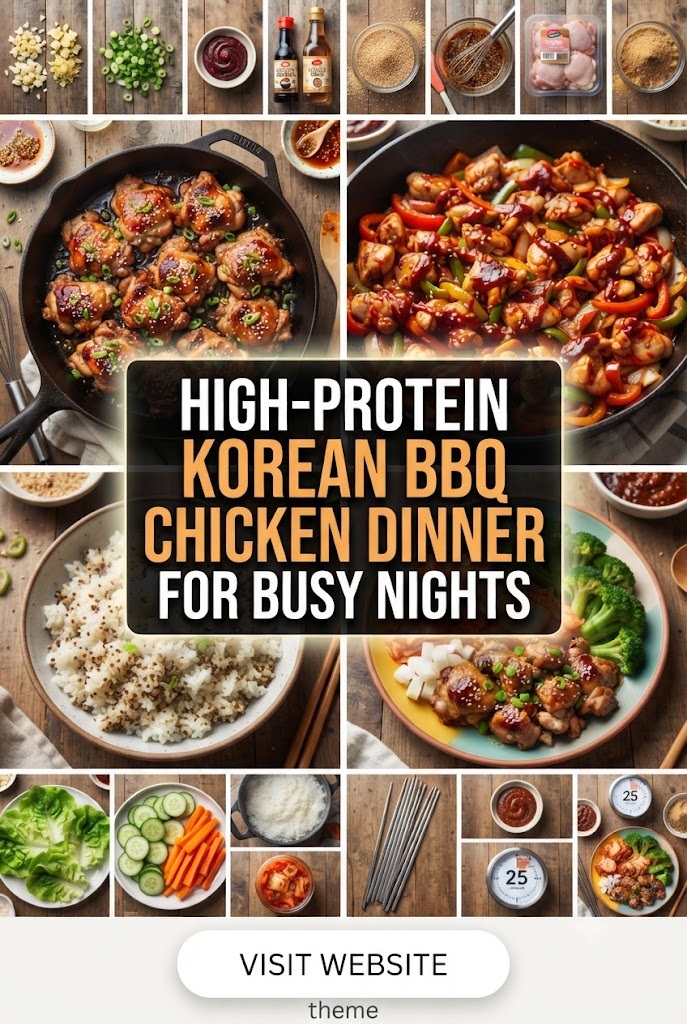
The modern evening is often a race against the clock. Between professional commitments, fitness goals, and family responsibilities, the window for preparing a nutritious, satisfying meal seems to shrink every day. Yet, the craving for something bold, flavorful, and restaurant-quality doesn’t disappear just because your calendar is full. Enter the High-Protein Korean BBQ Chicken Dinner—a culinary masterpiece that bridges the gap between gourmet flavor and practical efficiency.
This isn’t just another chicken recipe; it is a strategic approach to nutrition that leverages the intense umami profiles of Korean cuisine to make healthy eating feel like an indulgence. By focusing on lean protein and the vibrant fermented flavors of the Korean pantry, you can transform a standard weeknight into a cultural feast that supports your muscle recovery and weight management goals.
Why Korean BBQ Chicken is the Perfect Fitness Meal
When people think of Korean BBQ, they often envision piles of marbled short ribs and pork belly. While delicious, those cuts aren’t always ideal for a daily high-protein, low-calorie diet. By adapting the traditional bulgogi and galbi flavors to lean chicken breast or thighs, we unlock a nutritional powerhouse.
The Macro-Nutrient Advantage
Chicken is the gold standard for high-protein diets for a reason. A standard 6-ounce serving of chicken breast provides roughly 50 grams of protein with minimal fat. This high thermic effect of food (TEF) means your body burns more calories just processing the protein than it does for fats or carbohydrates. When paired with the metabolism-boosting properties of ginger and chili flakes found in Korean marinades, this meal becomes a functional tool for your health.
Satiety and Flavor
The biggest hurdle in maintaining a healthy diet is boredom. “Clean eating” often falls into the trap of blandness. Korean BBQ chicken solves this through the “Umami Factor.” The combination of fermented bean paste, soy, garlic, and sesame provides a sensory richness that tells your brain you are full and satisfied, preventing the late-night snacking that often derails a busy person’s diet.
The Anatomy of the Perfect Korean BBQ Marinade
The soul of this dish lies in the marinade. Traditional Korean flavors rely on a balance of the “Big Five”: Spicy, Sweet, Salty, Sour, and Bitter. To keep this healthy and “Google-ranked” for modern wellness standards, we prioritize natural sweeteners and fermented bases.
The Foundation: Gochujang and Beyond
- Gochujang (Korean Chili Paste): This is the backbone. It’s a savory, sweet, and spicy fermented condiment made from chili powder, glutinous rice, fermented soybeans, and salt. While it contains some sugar, a little goes a long way in terms of flavor.
- Soy Sauce or Liquid Aminos: For that essential saltiness. If you are watching your sodium or avoiding gluten, liquid aminos or coconut aminos are excellent 1:1 replacements.
- Aromatics (Garlic and Ginger): These are non-negotiable. Garlic provides depth, while ginger offers a sharp, refreshing bite that cuts through the richness of the meat. Both are known for their anti-inflammatory properties.
- The Sweetener: Instead of refined white sugar, use grated Asian pear or apple. These fruits contain enzymes (calpain) that naturally tenderize the chicken fibers, resulting in a melt-in-your-mouth texture. For a lower-calorie option, a touch of monk fruit or raw honey works beautifully.
- Toasted Sesame Oil: This provides the “nuttiness” that characterizes Korean BBQ. It’s a finishing oil that adds an incredible aroma.
Ingredients List for the Busy Home Cook
To ensure this remains a “busy night” staple, the ingredient list is designed to be accessible at most local US grocery stores like Trader Joe’s, Whole Foods, or Kroger.
The Protein
- 2 lbs Chicken Thighs or Breast: Thighs are more forgiving and stay juicy, while breasts are leaner.
- Optional: Firm tofu chunks for a plant-based protein boost.
The Marinade
- 3 tbsp Gochujang: Adjust based on your heat tolerance.
- 4 tbsp Soy Sauce: Or Tamari for gluten-free.
- 2 tbsp Rice Vinegar: For a hit of acidity.
- 1 tbsp Toasted Sesame Oil.
- 3 cloves Garlic: Minced.
- 1 inch Fresh Ginger: Grated.
- 2 tbsp Maple Syrup or Honey: Or half a grated Asian pear.
- 1 tsp Black Pepper.
The Base and Sides
- Prepared Kimchi: For probiotics and crunch.
- Steamed Jasmine Rice or Cauliflower Rice: Depending on your carb needs.
- Quick Pickled Cucumbers: (Vinegar, sugar/stevia, salt).
- Fresh Lettuce Leaves: For making “Ssam” (wraps).
Step-by-Step Execution: From Fridge to Table in 20 Minutes
The secret to a 20-minute dinner is “The Prep Hack.” If you marinate your chicken in the morning or the night before, the actual cooking time is negligible.
1. The Prep (The Night Before)
Slice your chicken into bite-sized pieces. In a large bowl or Ziploc bag, whisk together all marinade ingredients. Toss the chicken in, ensuring every piece is coated. Seal it and forget it. The enzymes in the ginger and pear will work their magic on the proteins while you sleep.
2. The High-Heat Sear
When you get home from work, get a heavy cast-iron skillet or a non-stick pan screaming hot. You want to mimic the char of a charcoal grill.
- Add a teaspoon of high-smoke point oil (like avocado oil).
- Add the chicken in a single layer. Do not crowd the pan. If you add too much at once, the temperature drops, and the chicken will boil in its juices rather than sear.
- Let it sit undisturbed for 3 minutes to develop a dark, caramelized crust.
- Flip and cook for another 3-4 minutes until the center is opaque.
3. The Deglaze
If there is leftover marinade in the bag, pour it into the pan during the last 60 seconds of cooking. It will bubble and thicken into a glossy lacquer that clings to the chicken.
4. The Assembly
While the chicken rests for two minutes, microwave your pre-cooked rice or steam your cauliflower rice. Wash a few heads of butter lettuce or Romaine.
Essential Side Dishes (Banchan) for the Complete Experience
In Korea, a meal is never just one dish. It is a symphony of small plates called Banchan. For a busy weeknight, you don’t need twelve bowls, but three key elements will elevate the meal.
The Power of Kimchi
Kimchi is a superfood. This fermented cabbage is packed with Lactobacillus bacteria, which is essential for gut health—a critical component of overall fitness and immunity. Its acidic, spicy profile acts as a palate cleanser between bites of savory chicken.
10-Minute Spicy Cucumber Salad (Oi Muchim)
Simply slice cucumbers thinly, toss with a pinch of salt, a splash of vinegar, a teaspoon of sesame oil, and a dash of red pepper flakes (Gochugaru). It provides a cooling crunch that balances the heat of the chicken.
Ssam: The Art of the Wrap
Eating Korean BBQ “Ssam” style involves taking a lettuce leaf, adding a spoonful of rice, a piece of chicken, a slice of garlic, and a dab of Ssamjang (seasoned soybean paste). This method forces you to eat slower, aiding digestion and preventing overeating. It also adds a massive volume of fiber to the meal for very few calories.
Dietary Adaptations: Keto, Paleo, and Gluten-Free
One of the reasons this recipe is a favorite among health enthusiasts is its versatility.
- For Keto/Low-Carb: Replace the rice with cauliflower rice or extra lettuce wraps. Swap the honey/pear in the marinade for an erythritol-based sweetener. Check your Gochujang label, as some brands use more rice flour than others.
- For Paleo: Use Coconut Aminos instead of soy sauce. Ensure your Gochujang is a traditional variety without corn syrup, or make a “Nomato” style spicy paste using beets and carrots if avoiding nightshades.
- For Gluten-Free: Ensure your Gochujang is labeled GF (some use barley malt) and use Tamari or Liquid Aminos.
Meal Prepping Like a Pro
If you are a “Sunday Meal Prepper,” this recipe is your best friend. Korean BBQ chicken actually tastes better the next day as the flavors continue to penetrate the meat.
- Bulk Cooking: Double the recipe and grill the chicken. Once cooled, portion it into airtight containers with a side of roasted broccoli and brown rice.
- Freezer Friendly: You can freeze the chicken in the marinade. As the chicken thaws in your fridge on a Wednesday morning, it “wet-ages” in the sauce, resulting in incredibly tender meat by dinner time.
- The Transformation: Leftover KBBQ chicken can be tossed into a salad the next day or used as a protein topper for a “Bibimbap” bowl with a fried egg on top.
The Science of Spicy Food and Metabolism
Why choose a spicy Korean dinner over a standard roast chicken? The answer lies in Capsaicin. The chili peppers used in Gochujang and Gochugaru contain this thermogenic compound. Studies suggest that capsaicin can slightly increase your metabolic rate and promote fat oxidation.
Furthermore, spicy food triggers the release of endorphins—your body’s natural “feel-good” chemicals. On a stressful Tuesday night, a spicy, high-protein meal can actually provide a physiological mood boost, making it easier to stick to your wellness goals rather than reaching for “comfort” junk foods.
Mastering the Cooking Methods
While the stovetop is fastest, there are other ways to prepare this dish depending on your kitchen setup.
The Air Fryer Method (Maximum Convenience)
If you want to avoid oil splatter altogether:
- Preheat air fryer to 400°F.
- Place marinated chicken pieces in the basket in a single layer.
- Cook for 10-12 minutes, shaking the basket halfway through.
- The air fryer circulates heat perfectly, creating those “burnt ends” that are the hallmark of real BBQ.
The Oven Broiler Method (For Large Batches)
- Set your oven to “Broil” on high.
- Line a sheet pan with foil (for easy cleanup).
- Spread the chicken out.
- Place the pan on the top rack, about 4 inches from the heat source.
- Broil for 5 minutes, flip, and broil for another 4 minutes. This creates a beautiful char similar to an outdoor grill.
Selecting the Right Chicken: Thighs vs. Breasts
The debate between chicken thighs and breasts is eternal in the fitness world.
- Chicken Breasts: These are for the strict “macro-trackers.” They offer the highest protein-to-fat ratio. To prevent them from drying out in this recipe, ensure you don’t overcook them. Pull them off the heat the moment they hit an internal temperature of 160°F; the carry-over heat will bring them to the safe 165°F.
- Chicken Thighs: These are for the “flavor-seekers.” The slightly higher fat content allows the chicken to stand up to the high heat required for caramelizing the marinade. Thighs are also rich in zinc and vitamin B12, making them a nutrient-dense choice for those with active lifestyles.
Building the Perfect “Power Bowl”
To turn this chicken into a complete, Google-worthy meal, follow the “Bowl Blueprint”:
- The Base (25%): 1/2 cup of purple rice (forbidden rice) or quinoa.
- The Protein (25%): 6-8 ounces of the Korean BBQ Chicken.
- The Ferments (10%): A generous heap of kimchi.
- The Fresh Veggies (30%): Shredded carrots, blanched spinach with sesame oil, and sliced radishes.
- The Healthy Fats (10%): Half an avocado or a sprinkle of toasted sesame seeds.
This ratio ensures a steady release of energy without the “carb crash” often associated with heavy takeout meals.
Common Pitfalls to Avoid
Even a simple recipe has its traps. Here is how to avoid them:
- Burnt Marinade: Because Gochujang and honey contain sugars, they can burn quickly. If your pan is too hot, the sugar will turn bitter before the chicken is cooked. Aim for a medium-high heat rather than maximum.
- Soggy Chicken: If you wash your chicken (which isn’t necessary for safety) or if it has excess moisture, it won’t sear. Pat the chicken dry before adding the marinade, and ensure the pan is hot before the chicken hits the surface.
- Using Cold Meat: If possible, let the marinated chicken sit at room temperature for 15 minutes before cooking. This ensures the fibers are relaxed and the meat cooks evenly.
The Cultural Significance of the Meal
Food is more than fuel; it is a connection to culture. Korean cuisine, or Hansik, is built on the philosophy of “Yak-sik-dong-won,” which means “food and medicine grow from the same root.” By preparing this meal, you are participating in a tradition that views every ingredient—from the probiotic kimchi to the anti-microbial garlic—as a way to heal and strengthen the body.
In the United States, Korean BBQ has become a symbol of social dining. By bringing these flavors into your weeknight routine, you create an atmosphere of excitement and “special occasion” dining, even if it’s just a quick meal before heading to the gym or putting the kids to bed.
Frequently Asked Questions (FAQs)
Is Korean BBQ chicken spicy?
It can be. The spice level is controlled by the amount of Gochujang and Gochugaru (chili flakes) you use. As written, this recipe is a “medium” spice. To make it mild, reduce the Gochujang and add a bit more soy sauce and honey.
Can I use a slow cooker?
While you can, you will lose the “BBQ” element. Slow cooking doesn’t allow for caramelization. If you use a slow cooker, we recommend shredding the chicken and then quickly broiling it in the oven for 5 minutes to get those crispy edges.
How long can I marinate the chicken?
Ideally, 2 to 24 hours. Anything longer than 24 hours might cause the acidity in the vinegar and fruit enzymes to break down the meat too much, making it slightly mushy.
What if I can’t find Gochujang?
While there is no perfect substitute for the unique fermented flavor of Gochujang, a mix of Sriracha and a little miso paste can work in a pinch. However, most modern supermarkets now carry Gochujang in the international aisle.
Is this recipe kid-friendly?
Yes, with modifications! Kids often love the sweet-and-salty profile of KBBQ. For children, you can make a “Soy-Garlic” version by omitting the Gochujang entirely and increasing the honey and ginger.
Final Thoughts: Elevating the Everyday
The High-Protein Korean BBQ Chicken dinner is more than just a recipe; it’s a strategy for living well in a fast-paced world. It proves that you don’t have to sacrifice flavor for health, or time for quality. By mastering this one dish, you gain a versatile tool in your culinary arsenal that can be adapted, meal-prepped, and shared.
So, the next time you find yourself staring at the fridge after a long day, tempted by the siren call of a delivery app, remember that a sizzling, umami-packed, protein-rich feast is only 20 minutes away. Ignite your stove, grab your Gochujang, and transform your dinner into a high-performance fuel that tastes like a celebration.