
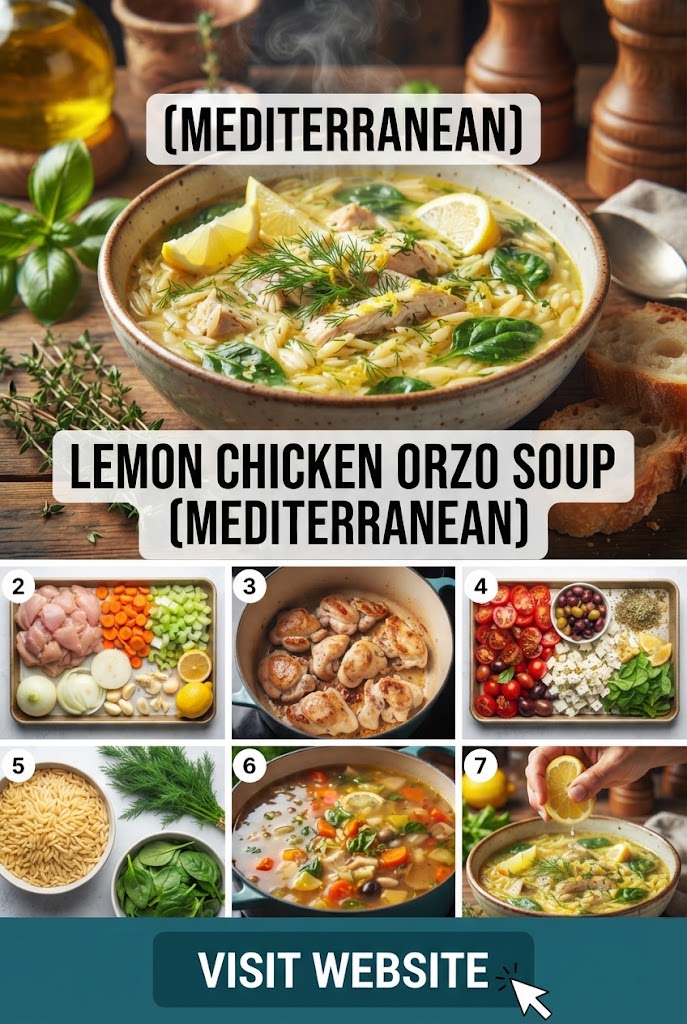
There is a specific kind of magic that happens when you combine the zip of a fresh lemon with the savory, grounding warmth of a homemade chicken soup. We’ve all had those days where the sky is a bit too gray, or perhaps your energy levels are flagging, and you need something more than just “sustenance.” You need a bowl of liquid sunshine. That is exactly what this Lemon Chicken Orzo Soup brings to the table.
Often referred to as the brighter, more sophisticated cousin of the classic American chicken noodle soup, this Mediterranean-inspired dish balances heavy comfort with a refreshing acidity that keeps you coming back for a second (and third) spoonful. It’s light enough for a breezy spring lunch but hearty enough to anchor a cold winter dinner. If you’ve been searching for a recipe that feels like a hug but tastes like a vacation in the Greek Isles, you’ve officially found it.
In this guide, we aren’t just tossing ingredients into a pot. We are building layers of flavor—from the way we sweat our aromatics to the precise moment we add the citrus. Whether you’re a seasoned home cook or someone who just figured out how to boil water, this deep dive will give you the tools, tips, and confidence to master the art of the perfect orzo soup.
What Sets This Recipe Apart from the Rest?
If you search for chicken soup, you’ll find a million iterations. So, what makes this specific Lemon Chicken Orzo Soup the one you should bookmark?
First, it’s about the texture. Many recipes result in a mushy mess because the orzo (a tiny, rice-shaped pasta) absorbs all the broth and turns into a thick porridge. We use a specific method to ensure the orzo remains al dente—giving you that satisfying bite.
Second, we focus on the citrus profile. This isn’t just a “hint” of lemon. We use both the zest and the juice to provide a multi-dimensional citrus experience. The zest provides those essential oils and a floral aroma, while the juice provides the sharp, tangy punch that cuts through the richness of the chicken fat.
Third, the herbaceous balance. We aren’t just relying on salt and pepper. By using a combination of fresh dill and parsley, we lean into those authentic Mediterranean flavor profiles that elevate the dish from “good” to “restaurant-quality.”
The Essential Ingredient Breakdown
To make a world-class soup, you need to understand your components. Let’s look at what is going into our pot and why each ingredient earns its keep.
1. The Chicken: Thighs vs. Breasts
While you can certainly use chicken breasts if you prefer lean protein, I strongly advocate for boneless, skinless chicken thighs. Thigh meat contains more connective tissue and fat, which translates to a more succulent, tender result after simmering. Breasts can occasionally dry out or become “stringy” in a boiling broth, whereas thighs remain juicy. If you have a leftover rotisserie chicken, that works beautifully too—just shred it and add it toward the end of the cooking process.
2. The Orzo: The Star Pasta
Orzo is often mistaken for rice, but it is actually a semolina pasta. Because of its small size, it cooks quickly. However, it is incredibly starchy. This starch is actually a secret weapon; as the orzo simmers in the broth, it releases just enough starch to give the soup a slightly silky, velvety mouthfeel without the need for heavy creams or thickeners.
3. The “Holy Trinity” of Aromatics
We start with a base of onion, carrots, and celery. In French cooking, this is a mirepoix, but here, it serves as the foundational sweetness. We sauté these until they are soft but not browned. We want the vegetables to be tender enough to melt into each bite.
4. Fresh Garlic
Never use the jarred, pre-minced garlic for this soup. The flavor is too muted and often has a metallic aftertaste. Use fresh cloves and smash them yourself. The pungency of fresh garlic is essential to stand up against the brightness of the lemon.
5. The Broth
Since the broth is the “body” of your soup, quality matters. If you have homemade chicken stock in your freezer, now is the time to use it. If you’re using store-bought, look for “Low Sodium.” This allows you to control the salt level yourself. Remember, as the soup simmers and reduces, the saltiness will concentrate.
6. The Lemons
You want heavy, thin-skinned lemons—they usually contain the most juice. Always zest your lemons before you juice them. If you try to zest a squeezed, hollow lemon half, you’re going to have a very difficult (and potentially dangerous) time with your microplane!
7. Fresh Herbs
Dill is the “secret ingredient” here. It provides a feathery, cooling note that is synonymous with Mediterranean cooking. If you hate dill, you can swap it for extra parsley or even a bit of fresh thyme, but the dill is what truly defines this specific flavor profile.
Kitchen Tools You’ll Need
Before you start, make sure your kitchen is staged. Having your tools ready (a concept known as mise en place) makes the cooking process stress-free.
- A Large Dutch Oven or Stockpot: A heavy-bottomed pot is best for even heat distribution.
- Chef’s Knife: For dicing your vegetables into uniform pieces.
- Microplane or Zester: To get that fine, flavorful lemon zest.
- Citrus Juicer: To maximize the yield from your lemons.
- Wooden Spoon: Perfect for scraping up those flavorful browned bits (fond) from the bottom of the pot.
Step-by-Step Instructions: Mastering the Soup
Follow these steps carefully to ensure your soup has the perfect balance of flavor and texture.
Step 1: Sauté the Aromatics
Place your Dutch oven over medium heat and add two tablespoons of high-quality extra virgin olive oil. Once the oil is shimmering, add your diced onions, carrots, and celery. Sauté them for about 5 to 7 minutes. You’re looking for the onions to become translucent and the carrots to slightly soften.
Step 2: The Garlic and Chicken
Push the vegetables to the perimeter of the pot and add your bite-sized chicken pieces to the center. Season generously with kosher salt and cracked black pepper. Brown the chicken for about 3-4 minutes. It doesn’t need to be cooked through yet; we just want to create a bit of golden color on the outside. Add the minced garlic and cook for just 60 seconds until fragrant.
Step 3: Deglazing and Simmering
Pour in your chicken broth. Use your wooden spoon to scrape the bottom of the pot—this ensures all those caramelized chicken juices are incorporated into the liquid. Bring the mixture to a rolling boil, then immediately reduce the heat to a low simmer. Cover the pot and let it cook for about 10 minutes.
Step 4: Adding the Orzo
Now, stir in your dry orzo. Keep the pot at a gentle simmer. Do not walk away! Orzo likes to sink to the bottom and stick. Give it a stir every couple of minutes. Cook the orzo for about 8 to 10 minutes, or until it is just tender.
Pro Tip: If you plan on having leftovers, you might want to cook the orzo in a separate pot of water and add it to individual bowls. Orzo continues to absorb liquid as it sits, so if you leave it in the soup overnight, you’ll wake up to a pot of “lemon chicken risotto” instead of soup!
Step 5: The “Brightening” Phase
Once the orzo is cooked, turn off the heat. This is crucial. If you boil the lemon juice, it can sometimes take on a bitter note. Stir in your lemon zest, fresh lemon juice, chopped parsley, and chopped dill.
Step 6: The Final Taste Test
Taste your soup. Does it need more salt? Does it need another squeeze of lemon? This is where you become the chef. Adjust the seasoning until the flavors “pop.”
Chef Tips for a Professional Result
- Don’t Overcook the Orzo: Always aim for al dente. The pasta will continue to soften in the residual heat of the broth even after you turn off the stove.
- Bloom Your Spices: If you want a deeper flavor, add a pinch of dried oregano or red pepper flakes to the oil when you are sautéing your onions. This “blooms” the spices, releasing their fat-soluble flavors.
- The “Secret” Creaminess: If you want a richer soup without adding dairy, whisk a small amount of the hot broth into two beaten eggs, then slowly pour that mixture back into the pot while stirring (this is the Greek avgolemono method). It creates a thick, creamy, pale-yellow broth that is out of this world.
- Use Fresh Pepper: Pre-ground black pepper often tastes like dust. Invest in a pepper mill for a sharp, pungent bite that complements the lemon perfectly.
Common Mistakes to Avoid
- Adding Lemon Too Early: If you simmer the lemon juice for 30 minutes, the bright, volatile compounds evaporate, leaving you with a dull acidity. Always add it at the very end.
- Not Enough Salt: Lemon and salt work together. If the soup tastes “flat,” it’s usually not because it needs more lemon; it’s because it needs more salt to highlight the lemon.
- Drowning the Herbs: Don’t let the fresh herbs boil. They should be bright green and fresh when served. Adding them too early turns them brown and mutes their flavor.
- Cutting Vegetables Too Large: Try to cut your carrots and celery to a size similar to the orzo. This ensures you get a bit of everything in every spoonful.
Flavor Variations and Substitutions
This recipe is a wonderful “base,” but feel free to get creative!
- The Veggie Powerhouse: Add a handful of baby spinach or chopped kale during the last 2 minutes of cooking. The heat of the broth will wilt the greens perfectly.
- The Spicy Kick: Add a teaspoon of crushed red pepper flakes or a dollop of harissa for a Mediterranean-meets-North-African heat.
- Vegetarian Version: Swap the chicken for canned chickpeas and use a high-quality vegetable broth. The chickpeas provide a similar “bite” and plenty of protein.
- Gluten-Free Option: Swap the orzo for white rice, arborio rice, or even a gluten-free orzo brand. If using rice, keep in mind the cooking time will increase to about 15-20 minutes.
- The Ginger Twist: Grate an inch of fresh ginger into the aromatics for an extra-immune-boosting kick. This pairs surprisingly well with the lemon.
Serving Suggestions: What Pairs with Lemon Chicken Orzo Soup?
While this soup is a complete meal on its own, you can elevate the experience with the right sides.
- Crusty Bread: A warm baguette or a slice of sourdough is essential for soaking up the last bits of lemony broth.
- Greek Salad: A simple side of cucumbers, tomatoes, kalamata olives, and feta cheese provides a crisp contrast to the warm soup.
- Roasted Asparagus: If you’re serving this in the spring, some lightly charred asparagus with a sprinkle of parmesan is a fantastic accompaniment.
- Wine Pairing: Look for a crisp, high-acid white wine. A Sauvignon Blanc or a dry Assyrtiko from Greece would be phenomenal.
Storage and Reheating Instructions
In the Refrigerator
You can store this soup in an airtight container for up to 3-4 days. However, as mentioned earlier, the orzo will absorb the broth. When you go to reheat it, you will likely need to add an extra splash of chicken broth or water to return it to a “soupy” consistency.
In the Freezer
I generally don’t recommend freezing this soup with the orzo already in it, as the pasta becomes quite mushy upon thawing. If you want to meal-prep and freeze it, make the soup base (broth, chicken, veggies) and freeze that. Then, when you’re ready to eat, bring it to a boil and drop in fresh orzo.
Reheating
Reheat on the stovetop over medium-low heat. Avoid the microwave if possible, as it can heat unevenly and make the chicken rubbery. If the soup has thickened significantly, add liquid before heating.
Nutrition Information (Per Serving)
- Calories: 320 kcal
- Protein: 28g
- Carbohydrates: 34g
- Fat: 9g
- Fiber: 3g
- Vitamin C: 25% DV (thanks to all that lemon!)
Note: Nutritional values are estimates based on standard ingredients.
Frequently Asked Questions
1. Can I use frozen chicken? Yes, but you should thaw it completely before starting the recipe. Sautéing frozen chicken won’t give you the same browning and flavor development as fresh or thawed chicken.
2. Why is my soup bitter? Bitterness usually comes from two things: accidentally grating the white “pith” of the lemon peel or overcooking the lemon juice. When zesting, only take the yellow outer layer.
3. Is orzo a type of rice? Nope! It’s a pasta made from semolina flour. It just happens to be shaped like a large grain of rice.
4. Can I make this in a Slow Cooker? Absolutely. Put the broth, chicken, and aromatics in the slow cooker on LOW for 6 hours. Add the orzo during the last 30-45 minutes of cooking. Stir in the lemon and herbs right before serving.
5. How do I make the soup look “yellow” like in restaurants? Many restaurants add a pinch of turmeric for a vibrant gold color. It doesn’t change the flavor much but makes the soup look incredibly appetizing.
6. Can I use dried herbs instead of fresh? You can, but the flavor won’t be as “bright.” If using dried, use 1/3 of the amount called for in the recipe and add them earlier (during the simmering stage) so they have time to rehydrate.
7. Is this soup healthy? Yes! It is packed with lean protein, vitamins from the vegetables, and has a relatively low calorie count compared to cream-based soups. It’s a great choice for a balanced diet.
Final Thoughts: The Art of the Lemony Simmer
Cooking is more than just following a set of instructions; it’s about intuition and the joy of creating something that nourishes the people you love. This Lemon Chicken Orzo Soup is a testament to that philosophy. It’s humble, it’s simple, and yet it feels incredibly special when served in a warm bowl with a garnish of fresh herbs.
As you stand over your stove, inhaling the scent of garlic and citrus, take a moment to appreciate the process. The way the broth transforms from clear to a rich, starchy gold, and the way the herbs brighten up the entire pot—these are the small victories of the home cook.
Whether you’re feeding a family of four or just looking for a comforting meal to enjoy on your own, this soup is sure to become a staple in your kitchen. It’s a reminder that sometimes, the simplest ingredients—chicken, pasta, and a few lemons—can create something truly extraordinary.
Happy cooking, and don’t forget the extra squeeze of lemon!
Conclusion
There you have it—a comprehensive guide to making the most vibrant, comforting, and delicious Lemon Chicken Orzo Soup imaginable. From the science of the orzo to the nuances of the citrus, you are now equipped to make a restaurant-quality meal right in your own kitchen. This soup isn’t just a recipe; it’s a mood-booster, a health-tonic, and a delicious journey to the Mediterranean all in one pot. Grab your lemons and get started—your taste buds will thank you!