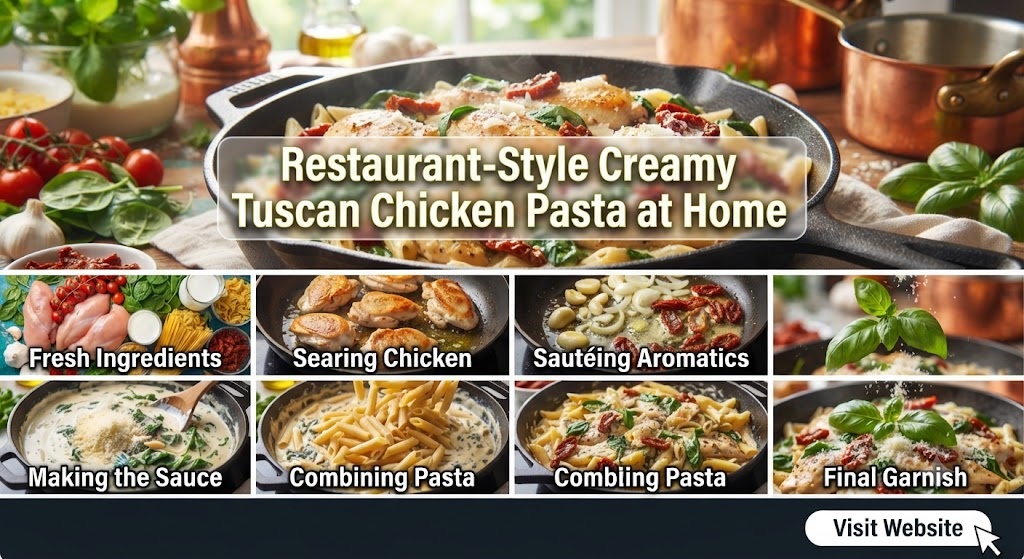
When I look at a dish like this, I don’t just see a “one-pot meal.” I see an opportunity for layering flavors. The goal isn’t just to make a sauce that tastes like cream; it’s to create an emulsified, deeply savory reduction that clings to every strand of pasta. We are aiming for a profile that hits every part of the palate: the richness of the heavy cream, the saltiness of aged Parmesan, the pungent bite of fresh garlic, and the herbal lift of basil and oregano.
If you have ever ordered this dish at a high-end restaurant and wondered why the sauce was so much glossier and more flavorful than what you make at home, the answer lies in the technique. It is about the “fond”—those brown bits stuck to the pan—and the proper emulsification of fats. Today, I’m pulling back the curtain on how we execute this in a professional setting so you can bring that white-tablecloth experience to your own dining table.
The Anatomy of a Perfect Tuscan Cream Sauce
A sauce is only as good as its foundation. In a Creamy Tuscan Chicken Pasta, the sauce isn’t an afterthought; it is the star of the show. Many home cooks make the mistake of simply pouring cream into a pan and hoping for the best. To achieve a restaurant-quality result, we need to understand the components.
First, we have the aromatics. Garlic is essential, but it must be handled with care. Burnt garlic becomes bitter and will ruin the delicate profile of the cream. We want to “sweat” the garlic until it is fragrant and translucent.
Second, we have the acid. Sun-dried tomatoes are not just a garnish here. When you use oil-packed sun-dried tomatoes, you are getting a concentrated blast of umami and acidity. By sautéing them early in the process, you release their oils into the pan, which then flavors the chicken and the base of the sauce.
Third is the emulsifier. Real Parmigiano-Reggiano isn’t just for flavor; it’s a structural component. The proteins in the cheese help bind the water and fat in the cream, preventing the sauce from “breaking” or becoming oily. This is why using the stuff in the green shaker can never yield a professional result—you need the real, aged cheese that melts into a velvety embrace.
Essential Ingredients for the Home Gourmet
To produce a dish that tastes like it cost $35 a plate, you must start with superior ingredients. Here is what you need to gather, along with my professional notes on why each choice matters.
The Protein: Chicken Breast or Thighs?
In my kitchens, I generally prefer boneless, skinless chicken thighs for their moisture content and flavor. However, for a Tuscan Pasta, chicken breasts are the traditional choice because they provide a clean, lean contrast to the rich sauce. If using breasts, they must be sliced horizontally into thin cutlets. This ensures even cooking and prevents the “rubber chicken” syndrome often found in overcooked poultry.
The Pasta: Choosing the Right Vehicle
You need a pasta that can hold onto a heavy sauce.
- Penne Rigate: The ridges (rigate) act like tiny gutters for the cream.
- Fettuccine: Provides a large surface area for the sauce to coat.
- Pappardelle: This is my personal choice for an “upscale” feel. The wide ribbons are elegant and feel substantial against the chicken.
The “Tuscan” Elements
- Sun-Dried Tomatoes: Always buy the ones packed in oil with herbs. The oil itself is a flavor powerhouse. Do not use the dry-packed ones unless you plan to rehydrate them in warm water first, as they can be leathery.
- Fresh Baby Spinach: We want the spinach to wilt at the very last second. This preserves its vibrant green color and prevents it from turning into a grey, mushy mess.
- Heavy Whipping Cream: Do not attempt this with half-and-half or whole milk. You need the fat content (36% or higher) to create the necessary viscosity and to prevent the sauce from curdling when it hits the acidic tomatoes and wine.
The Flavor Finishers
- Dry White Wine: A splash of Pinot Grigio or Sauvignon Blanc is used to deglaze the pan. This lifts the browned bits (the fond) and adds a subtle brightness that cuts through the fat.
- Fresh Herbs: Dried oregano and basil are fine for the cooking process, but finishing with fresh chiffonade of basil is what gives the dish its “just-made” aroma.
Kitchen Equipment: The Professional’s Setup
You don’t need a commercial kitchen, but a few specific tools will make your life much easier and your food much better.
- A Large Stainless Steel Skillet: I prefer stainless steel over non-stick for this recipe. Why? Because we want the chicken to stick slightly. That “sticking” creates the fond, which is the secret ingredient to a deep, savory sauce.
- A Large Pasta Pot: Pasta needs plenty of water to move around. If the pot is too small, the water becomes too starchy, and the pasta will stick together.
- A Microplane or Fine Grater: For the Parmesan. You want the cheese to be like snow. The finer it is, the faster it will melt into the sauce without clumping.
- Tongs: Essential for flipping the chicken and tossing the pasta into the sauce.
Executing the Dish: A Chef’s Walkthrough
This is where the magic happens. Follow these steps precisely to ensure your Creamy Tuscan Chicken Pasta is a triumph.
Step 1: Prepping the Chicken
Season your chicken cutlets generously with salt, black pepper, and a pinch of garlic powder. Professional tip: let the seasoned chicken sit at room temperature for about 15 minutes before cooking. If you put cold chicken into a hot pan, the fibers tighten up instantly, resulting in a tougher texture.
Step 2: The Perfect Sear
Heat two tablespoons of the oil from the sun-dried tomato jar in your skillet over medium-high heat. Once the oil is shimmering, add the chicken. Do not crowd the pan. Cook for about 5–6 minutes per side until golden brown and cooked through. Remove the chicken to a plate and tent it loosely with foil. Let it rest! If you slice it now, all the juices will run out, leaving you with dry meat.
Step 3: Building the Base
In the same skillet (don’t wash it!), lower the heat to medium. Add a tablespoon of butter and your minced garlic. Sauté for 30 seconds until fragrant. Add the chopped sun-dried tomatoes. If you like a little heat, a pinch of red pepper flakes here is a classic chef move.
Step 4: Deglazing
Pour in about 1/2 cup of dry white wine. Use a wooden spoon to scrape all those golden-brown bits off the bottom of the pan. This is where the color of your sauce comes from. Let the wine reduce by half. This concentrates the flavor and cooks off the raw alcohol taste.
Step 5: The Cream Element
Reduce the heat to low. Slowly pour in the heavy cream. Stir constantly to incorporate the cream with the wine and aromatics. Add in your dried oregano and a touch more salt and pepper. Let this simmer gently for about 3–5 minutes. You are looking for the sauce to thicken slightly—it should coat the back of a spoon.
Step 6: The Cheese and Spinach
Whisk in your freshly grated Parmesan cheese. Do this a handful at a time, allowing it to melt completely before adding more. Once the sauce is smooth, add the fresh baby spinach. It will look like a lot, but it will wilt down to almost nothing in about 60 seconds.
Step 7: The Marriage
While you are making the sauce, your pasta should be boiling in salted water. Cook it for one minute less than the package directions (this is called “molto al dente”). Using tongs, transfer the pasta directly from the boiling water into the sauce. This carries a little bit of starchy pasta water with it, which helps the sauce adhere to the noodles.
Step 8: Finishing Touches
Slice your rested chicken into strips and add it back into the pan, along with any juices that accumulated on the plate. Toss everything together over low heat for one minute. If the sauce looks too thick, add a splash of the reserved pasta water. Finish with fresh basil and an extra dusting of Parmesan.
Navigating Potential Pitfalls: How to Avoid a Broken Sauce
Even experienced cooks can run into trouble with cream-based sauces. Here is how to troubleshoot like a pro.
Problem: The sauce is oily or separated.
- The Cause: The heat was too high, or you added the cheese too fast.
- The Fix: Remove the pan from the heat immediately. Add a tablespoon of cold heavy cream and whisk vigorously. This can often “reset” the emulsion.
Problem: The sauce is too thin.
- The Cause: Not enough reduction or not enough cheese.
- The Fix: Let it simmer for another two minutes, or add more finely grated Parmesan. Remember, the sauce will thicken significantly as it cools slightly on the plate.
Problem: The chicken is dry.
- The Cause: Overcooking or slicing too early.
- The Fix: Next time, use a meat thermometer. Chicken is done at 165°F. Pull it at 160°F, and carryover cooking will take it the rest of the way while it rests.
Elevated Variations: Customizing Your Tuscan Pasta
Once you have mastered the base recipe, you can start playing with the “flavor profile” to suit your mood or the occasion.
The Seafood Twist
Substitute the chicken with large shrimp or scallops. Sear the seafood quickly (about 2 minutes per side) and set aside. Follow the rest of the recipe as usual. The sweetness of the seafood pairs beautifully with the acidity of the tomatoes.
The Vegetable-Forward Version
Add sliced cremini mushrooms to the pan after you remove the chicken. Sauté them until they are deeply browned and have released all their moisture. You can also add artichoke hearts for an extra layer of Mediterranean flair.
The “Zing” Factor
If you find the sauce too heavy, add a squeeze of fresh lemon juice at the very end. The citric acid cuts through the fat of the cream and cheese, making the whole dish feel lighter and more vibrant.
Best Side Dishes for a Complete Italian Feast
When serving a dish this rich, you want side dishes that provide contrast.
- A Sharp Arugula Salad: The peppery bite of arugula with a simple lemon-olive oil dressing is the perfect palate cleanser between bites of creamy pasta.
- Garlic Herb Focaccia: Use it to mop up every last drop of that Tuscan sauce.
- Roasted Broccolini: Tossed with chili flakes and lemon zest, it adds a nice crunch and a touch of bitterness that balances the cream.
Storage and Reheating Tips
Cream sauces are notorious for being difficult to reheat because the fat tends to separate from the liquids. However, it can be done.
- Storage: Store leftovers in an airtight container in the refrigerator for up to 3 days. I do not recommend freezing this dish, as the cream will likely grain out upon thawing.
- Reheating: Do not use the microwave if you can avoid it. Instead, place the leftovers in a skillet over low heat. Add a splash of milk or water to loosen the sauce. Stir gently and constantly until heated through. This “low and slow” approach prevents the sauce from breaking.
Frequently Asked Questions
Can I use milk instead of heavy cream? Technically, yes, but you will need to create a roux (flour and butter) first to thicken it. The result will be more like a Béchamel and won’t have the same silky mouthfeel as a true cream sauce. It also runs a higher risk of curdling.
What is the best wine to use? Stick to something dry. Avoid sweet wines like Moscato or Riesling, as they will make the sauce cloyingly sweet. A crisp Italian Pinot Grigio is my go-to recommendation.
Do I have to use sun-dried tomatoes? They are a signature part of the “Tuscan” flavor profile. If you absolutely hate them, you could use roasted red peppers, but the flavor will be significantly different—sweeter and less tangy.
How do I keep my spinach from getting slimy? The key is heat management. Only add the spinach at the very end when the sauce is finished. The residual heat of the sauce is enough to wilt it perfectly without overcooking the cell walls of the leaves.
Can I make this gluten-free? Absolutely. Use your favorite gluten-free pasta (corn and rice blends tend to hold their shape best). Ensure your spices and cream are certified gluten-free, and you’re good to go.
Final Thoughts from the Kitchen
The Creamy Tuscan Chicken Pasta is a testament to the idea that simple ingredients, when treated with the right techniques, can become something truly extraordinary. It’s a dish that feels like a hug in a bowl—warm, rich, and deeply satisfying. Whether you are cooking for a special date night or just looking to elevate a Tuesday evening dinner, this recipe provides the roadmap to success.
Remember, cooking is an act of observation. Watch the garlic as it softens, listen to the sizzle of the chicken, and taste your sauce at every stage. Adjust the salt, add a little more cheese, or a bit more black pepper until it tastes exactly the way you want it to. That is the true secret of a professional chef.
Now, grab your skillet, put on some music, and let’s get cooking. Your kitchen is about to smell like the best bistro in town.
Nutrition Information (Estimated per serving)
- Calories: 680 kcal
- Total Fat: 38g
- Saturated Fat: 22g
- Cholesterol: 145mg
- Sodium: 850mg
- Total Carbohydrates: 45g
- Dietary Fiber: 3g
- Sugars: 5g
- Protein: 42g
(Note: Nutritional values are estimates based on standard ingredients and should be used for general informational purposes only.)
Recipe Summary Table
| Step | Action | Key Tip |
|---|---|---|
| 1. Prep | Season and slice chicken | Use room temp chicken |
| 2. Sear | Brown chicken in tomato oil | Don’t crowd the pan |
| 3. Aromatics | Sauté garlic and tomatoes | Use the “fond” for flavor |
| 4. Deglaze | Add white wine | Scrape the bottom of the pan |
| 5. Simmer | Add cream and herbs | Keep heat low to avoid curdling |
| 6. Finish | Add cheese, spinach, and pasta | Use pasta water to adjust consistency |
The History of “Tuscan” Cream Sauce
While we call this “Tuscan,” if you traveled to Tuscany, you might be hard-pressed to find this exact dish. In Italy, “Tuscan” cooking (Cucina Povera) focuses on beans, bread, and simple grilled meats. The “Tuscan” pasta we love in America is a beautiful hybrid. It takes the ingredients associated with the region—sun-dried tomatoes, spinach, and garlic—and incorporates them into the rich, cream-based sauces that became popular in 20th-century American Italian dining. It is a dish that celebrates the idea of Italy, filtered through the abundance of the American pantry.
In the 1990s and early 2000s, chain restaurants popularized this flavor profile, but it has since been reclaimed by boutique bistros and home cooks who want to use higher-quality ingredients than what you’d find at a franchise. By using authentic Parmigiano-Reggiano and high-fat cream, you are taking this dish back to its potential peak, proving that even a “commercial” favorite can be a culinary masterpiece when executed with care.
Conclusion
Creating a Creamy Tuscan Chicken Pasta that rivals a professional kitchen is entirely within your reach. It requires no exotic tools or impossible techniques—just a respect for the ingredients and an understanding of how they interact in the pan. By focusing on the sear of the chicken, the reduction of the wine, and the slow melting of the cheese, you create a symphony of textures and flavors.
This dish is more than just a meal; it’s a skill-builder. Once you master this cream sauce, you can apply the same logic to a dozen other recipes. You’ve learned how to deglaze, how to emulsify, and how to balance fat with acidity. So, take these lessons, enjoy the process, and most importantly, enjoy that first, perfect, creamy bite. Cheers to your culinary success!